AI in Schools: The Case Against
AdvancedAgainstSchool & Study영어 프레젠테이션 모범 원고와 한국어 번역. 슬라이드마다 듣고 말하며 연습할 수 있습니다.
Practice the other side:AI in Schools: The Case For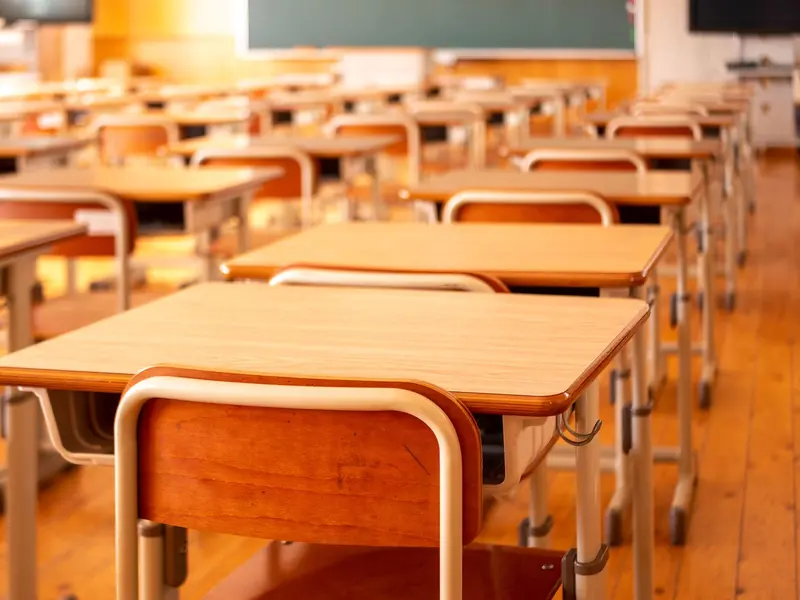
AI in Schools: The Case Against
Why schools should be careful with AI
Model script
Good morning, everyone. AI tools are powerful, and it's easy to see why many people want them in the classroom. However, today I'll argue that schools should limit AI, especially for younger students.
Your recording
Say this slide out loud, then listen to yourself.
Recordings stay on this device and disappear when you leave the page.
Useful phrases
it's easy to see why
Show that you understand why others like an idea.
especially for
Most of all for.
Full script
Read the whole talk.
All slides in one place. Read it through once, then practice slide by slide.
01AI in Schools: The Case Against
Good morning, everyone. AI tools are powerful, and it's easy to see why many people want them in the classroom. However, today I'll argue that schools should limit AI, especially for younger students.
좋은 아침입니다, 여러분. AI 도구는 강력하고, 많은 사람들이 교실에서 쓰고 싶어 하는 이유도 쉽게 알 수 있습니다. 하지만 오늘 저는 학교가 특히 어린 학생들에게는 AI 사용을 제한해야 한다고 주장하겠습니다.
02Learning Needs Effort
First, real learning often comes from struggle. When students work hard to solve a problem, their brains build new skills. If AI gives them the answer right away, they skip the most important part.
첫째, 진짜 배움은 종종 애쓰는 과정에서 나옵니다. 학생들이 문제를 풀려고 열심히 고민할 때 뇌는 새로운 능력을 키웁니다. AI가 바로 답을 주면 가장 중요한 부분을 건너뛰게 됩니다.
03Basic Skills Come First
Second, students need basic skills before they use powerful tools. We still teach children to add and subtract before we give them calculators. In the same way, students should learn to write and think on their own first.
둘째, 학생들은 강력한 도구를 쓰기 전에 기본 실력이 필요합니다. 우리는 지금도 아이들에게 계산기를 주기 전에 덧셈과 뺄셈을 가르칩니다. 마찬가지로 학생들은 먼저 스스로 쓰고 생각하는 법을 배워야 합니다.
04AI Can Be Wrong
Third, AI is not always right. It can make mistakes or even invent facts, and it often sounds very confident when it does. Young students may not be able to tell the difference.
셋째, AI가 항상 맞는 것은 아닙니다. 실수를 하거나 심지어 사실을 지어내기도 하고, 그럴 때도 아주 자신 있게 말하는 경우가 많습니다. 어린 학생들은 그 차이를 구분하지 못할 수 있습니다.
05Fairness Problems
There are also problems with fairness. It is hard for teachers to know who really did the work. And not every student has the same access to paid AI tools at home.
공정성의 문제도 있습니다. 선생님은 누가 실제로 과제를 했는지 알기 어렵습니다. 그리고 모든 학생이 집에서 유료 AI 도구를 똑같이 쓸 수 있는 것도 아닙니다.
06A Better Approach
So what should schools do instead? Students should learn the basics without AI first. Later, they can use it in class with a teacher, and learn how to check whether its answers are correct.
그렇다면 학교는 대신 무엇을 해야 할까요? 학생들은 먼저 AI 없이 기초를 배워야 합니다. 그 뒤에 수업에서 선생님과 함께 AI를 쓰면서, 답이 맞는지 확인하는 방법을 배울 수 있습니다.
07My Position
My position is this: AI should not be banned forever, but it should be limited, especially in the early years. Strong basic skills must come first.
제 입장은 이렇습니다. AI를 영원히 금지할 필요는 없지만, 특히 초기 학년에는 제한해야 합니다. 탄탄한 기초 실력이 먼저입니다.
08Conclusion
To conclude, AI is a useful tool, but a tool is only as good as the person using it. If we want students to use AI well, we first need to teach them to think for themselves. Thank you.
결론적으로, AI는 유용한 도구이지만 도구는 쓰는 사람만큼만 좋습니다. 학생들이 AI를 잘 쓰기를 바란다면, 먼저 스스로 생각하는 법을 가르쳐야 합니다. 감사합니다.
Cover photo by DeltaWorks on Pixabay
Slide photos by mozlase__, sharpemtbr on Pixabay