Social Media Age Limits: The Case Against
AdvancedAgainstTech & Internet영어 프레젠테이션 모범 원고와 한국어 번역. 슬라이드마다 듣고 말하며 연습할 수 있습니다.
Practice the other side:Social Media Age Limits: The Case For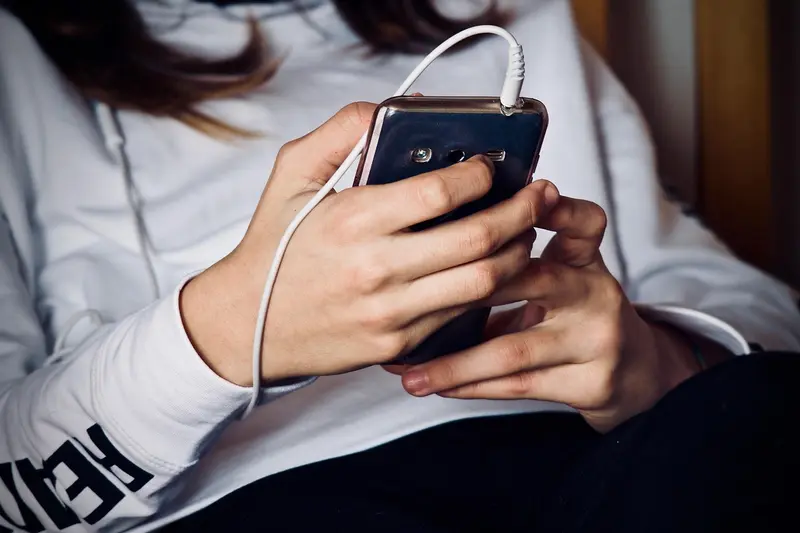
Social Media Age Limits: The Case Against
Why bans may not protect young people
Model script
Good afternoon, everyone. Everyone wants to keep children safe online, and it's easy to see why age limits sound like a good idea. However, today I'll argue that strict bans may cause more problems than they solve.
Your recording
Say this slide out loud, then listen to yourself.
Recordings stay on this device and disappear when you leave the page.
Useful phrases
it's easy to see why
Show that you understand why others like an idea.
cause more problems than they solve
Do more harm than good.
Full script
Read the whole talk.
All slides in one place. Read it through once, then practice slide by slide.
01Social Media Age Limits: The Case Against
Good afternoon, everyone. Everyone wants to keep children safe online, and it's easy to see why age limits sound like a good idea. However, today I'll argue that strict bans may cause more problems than they solve.
안녕하세요, 여러분. 모두가 아이들이 온라인에서 안전하기를 바라고, 나이 제한이 좋은 생각처럼 들리는 이유도 쉽게 알 수 있습니다. 하지만 오늘 저는 엄격한 금지가 해결하는 것보다 더 많은 문제를 만들 수 있다고 주장하겠습니다.
02Teens Will Find a Way
First, teenagers are very good at finding ways around rules. They may use fake accounts, borrow a friend's phone, or move to smaller apps that are even less safe.
첫째, 십 대들은 규칙을 피해 가는 데 아주 능숙합니다. 가짜 계정을 쓰거나, 친구 휴대폰을 빌리거나, 더 안전하지 않은 작은 앱으로 옮겨 갈 수 있습니다.
03New Privacy Risks
Second, real age checks have a cost. To check ages, companies may need to collect IDs or photos from everyone, including adults. That creates new privacy risks.
둘째, 제대로 된 나이 확인에는 대가가 따릅니다. 나이를 확인하려면 회사가 어른을 포함한 모든 사람에게서 신분증이나 사진을 받아야 할 수도 있습니다. 그러면 새로운 개인 정보 위험이 생깁니다.
04Social Media Isn't All Bad
Third, social media isn't all bad. Many young people use it to learn, to be creative, and to find support, especially if they feel alone at school.
셋째, 소셜 미디어가 나쁘기만 한 것은 아닙니다. 많은 젊은이가 배우고, 창작하고, 특히 학교에서 외로움을 느낄 때 도움을 얻기 위해 소셜 미디어를 씁니다.
05Who Should Decide?
There is also the question of who should decide. Every child is different. Parents usually know better than the government when their child is ready.
누가 결정해야 하느냐는 문제도 있습니다. 아이들은 저마다 다릅니다. 아이가 언제 준비가 되었는지는 보통 정부보다 부모가 더 잘 압니다.
06A Better Approach
So what's the alternative? Instead of a ban, we can teach online safety at school, require apps to be safer by design, and give parents better tools.
그렇다면 대안은 무엇일까요? 금지 대신, 학교에서 온라인 안전 교육을 하고, 앱이 처음부터 더 안전하게 설계되도록 의무화하고, 부모에게 더 좋은 도구를 줄 수 있습니다.
07My Position
My position is this: protecting children is important, but a ban is too simple an answer to a complicated problem.
제 입장은 이렇습니다. 아이들을 보호하는 것은 중요하지만, 금지는 복잡한 문제에 대한 너무 단순한 답입니다.
08Conclusion
To sum up, we can't keep young people away from the internet forever. It's better to teach them how to use it safely. Thank you.
정리하자면, 젊은이들을 인터넷에서 영원히 떼어 놓을 수는 없습니다. 안전하게 쓰는 법을 가르치는 것이 더 낫습니다. 감사합니다.
Cover photo by sweetlouise on Pixabay