英语演讲的示范讲稿与中文翻译。每一页都可以听示范、开口练习。

Who Really Makes Your Choices?
The box that's already ticked
1 / 8
Model script
Good afternoon, everyone. Imagine your first job gives you a form about a retirement savings plan. Do you join or not? Most of us think we would decide carefully. But economists have found something surprising: very often, the box that is already ticked decides for us. Today I'll talk about this "default effect." First, I'll explain what a default is. Then I'll show you three real cases: one company in the United States, one clever savings plan, and a whole country, the United Kingdom. Finally, I'll look at the main criticism and give my view.
Your recording
Say this slide out loud, then listen to yourself.
Recordings stay on this device and disappear when you leave the page.
Useful phrases
Imagine your first job
A way to start with a situation the audience can picture.
the box that is already ticked
The choice that is selected before you do anything.
Finally, I'll look at
Tells the audience the last part of your talk.
Words
- economists
- ticked
- default effect
- default
- inertia
- 401(k)
- enrolled
- money market fund
- stock funds
- neutral
- pay raise
- saving rate
- automatic enrolment
- workplace pension
- eligible
- opt out
- manipulation
Highlighted words are on this slide. Tap a word to look it up on Google.
Full script
Read the whole talk.
All slides in one place. Read it through once, then practice slide by slide.
01Who Really Makes Your Choices?
Good afternoon, everyone. Imagine your first job gives you a form about a retirement savings plan. Do you join or not? Most of us think we would decide carefully. But economists have found something surprising: very often, the box that is already ticked decides for us. Today I'll talk about this "default effect." First, I'll explain what a default is. Then I'll show you three real cases: one company in the United States, one clever savings plan, and a whole country, the United Kingdom. Finally, I'll look at the main criticism and give my view.
大家下午好。想象一下,你的第一份工作给了你一张关于退休储蓄计划的表格。你会加入吗?我们大多数人都觉得自己会认真考虑再决定。但经济学家发现了一件令人惊讶的事:很多时候,是那个已经被勾选的选项替我们做了决定。今天我要讲的就是这种“默认效应”。首先,我会解释什么是默认选项。然后,我会给大家看三个真实的案例:美国的一家公司、一个巧妙的储蓄计划,以及一个国家——英国。最后,我会谈谈最主要的批评,并说说我的看法。
02What Is a Default?
Let's start with the basic idea. A default is what happens if you do nothing. Economists call our habit of staying with it "inertia." I noticed this in my own life. When I opened my first bank account, the app asked if I wanted to save a small amount every time I used my card. The box was already ticked. I never changed it, and after a year, I had more savings than I expected. I didn't make a smart decision. I simply didn't make a decision at all. Now, is this just my story, or does it happen on a large scale?
我们先从基本概念说起。默认选项就是你什么都不做时会发生的结果。经济学家把我们维持现状的习惯叫作“惯性”。我在自己的生活中就注意到了这一点。我开第一个银行账户时,手机应用问我要不要每次刷卡都存一小笔钱。那个选项已经被勾选了。我从来没有改过,一年后,我的存款比预想的多。我并没有做出什么聪明的决定,我只是根本没有做决定。那么,这只是我个人的经历,还是在大范围内都会发生呢?
03Case 1: One Rule Changed
My first case comes from a famous 2001 study by Brigitte Madrian and Dennis Shea, published in the Quarterly Journal of Economics. They studied a large American company that changed one rule in its 401(k), a retirement savings plan. Before the change, workers had to sign up. After the change, new workers were enrolled automatically, but they could leave at any time. The result was dramatic. Among workers with a similar time at the company, only 37% of those hired under the old rule had joined. Under the new rule, 86% were in the plan. The choices were the same. Only the default changed.
第一个案例来自2001年布丽吉特·马德里安和丹尼斯·谢伊发表在《经济学季刊》上的一项著名研究。他们研究了美国一家大公司,这家公司只改了401(k)退休储蓄计划的一条规则。改之前,员工必须自己报名。改之后,新员工会被自动加入,但随时可以退出。结果非常惊人。在入职时间差不多的员工中,按旧规则入职的人只有37%加入了计划。按新规则,86%的人在计划里。可选的内容完全一样,唯一改变的只是默认选项。
Source: Madrian, B. C., & Shea, D. F. (2001). "The Power of Suggestion: Inertia in 401(k) Participation and Savings Behavior." Quarterly Journal of Economics, 116(4), 1149–1187 (NBER Working Paper 7682): 401(k) participation at 3–15 months of tenure was 37% for employees hired before automatic enrollment (WINDOW cohort) vs. 86% for those hired under automatic enrollment (NEW cohort)
04The Catch: Stuck at 3%
However, the same study also found a problem. The automatic plan saved 3% of each worker's pay in a money market fund, which is very safe but grows slowly. According to the study, 61% of the new workers stayed exactly there: 3%, all in that one fund. They did not choose it. They just never changed it. Workers hired earlier, who had chosen for themselves, put roughly 70% of their contributions into stock funds. In other words, the default pulled many people in, but it also held them at a low level. This tells us something important: a default is not neutral.
不过,同一项研究也发现了一个问题。自动加入的计划会把每位员工工资的3%存进货币市场基金,这种基金非常安全,但增长很慢。根据这项研究,61%的新员工一直停留在那里:3%,全部放在那一只基金里。这不是他们选的,他们只是从来没改过。更早入职、自己做选择的员工,大约把70%的缴款放进了股票基金。换句话说,默认选项把很多人拉了进来,但也把他们留在了较低的水平。这告诉我们一件重要的事:默认选项并不是中立的。
Source: Madrian, B. C., & Shea, D. F. (2001). "The Power of Suggestion: Inertia in 401(k) Participation and Savings Behavior." Quarterly Journal of Economics, 116(4), 1149–1187 (NBER Working Paper 7682): default was a 3% contribution rate, 100% in the money market fund; 61% of the NEW cohort were at this default; the other cohorts allocated roughly 70% of their contributions to stock funds
05Case 2: Save More Tomorrow
So, can we design a better default? My second case says yes. Economists Richard Thaler and Shlomo Benartzi created a plan called "Save More Tomorrow." The idea is simple. People don't promise to save more today. They promise to save more from their next pay raise. Because the money comes from future raises, it doesn't feel like a loss. According to their 2004 paper in the Journal of Political Economy, 78% of the workers who were offered the plan joined. Over 40 months, their average saving rate rose from 3.5% to 13.6%. This shows that a default can be designed to go up, not stay low.
那么,我们能设计出更好的默认选项吗?第二个案例告诉我们:能。经济学家理查德·塞勒和什洛莫·贝纳茨设计了一个叫“明天多存一点”的计划。想法很简单:人们不是承诺今天就多存钱,而是承诺从下一次加薪开始多存。因为这笔钱来自未来的加薪,所以感觉不像是损失。根据他们2004年发表在《政治经济学杂志》上的论文,被推荐这个计划的员工中有78%加入了。在40个月里,他们的平均储蓄率从3.5%上升到了13.6%。这说明,默认选项可以设计成逐步上升,而不是停留在低水平。
Source: Thaler, R. H., & Benartzi, S. (2004). "Save More Tomorrow: Using Behavioral Economics to Increase Employee Saving." Journal of Political Economy, 112(S1), S164–S187: 78% of those offered the plan joined; average saving rates of participants increased from 3.5% to 13.6% over 40 months
06Case 3: A Whole Country
Now, let's look at a whole country. In 2012, the United Kingdom began automatic enrolment into workplace pensions. Employers must sign up eligible workers, and workers can still opt out if they want. According to the UK Department for Work and Pensions, the share of eligible employees saving in a workplace pension had fallen to a low of 55% in 2012. By 2024, it was 89%. That is a huge change, and nobody was forced to stay. In my view, this is the strongest evidence of the three, because it worked for a whole nation, not just one company, and the effect has lasted for more than ten years.
接下来,我们看看一整个国家。2012年,英国开始实行职场养老金自动加入制度。雇主必须为符合条件的员工办理加入,员工如果愿意,也可以退出。根据英国就业与养老金部的数据,符合条件的员工中参加职场养老金储蓄的比例,在2012年降到了55%的最低点。到2024年,这个比例达到了89%。这是一个巨大的变化,而且没有人被强迫留下。在我看来,这是三个案例中最有力的证据,因为它不只在一家公司,而是在整个国家都起了作用,而且效果已经持续了十多年。
Sources: UK Department for Work and Pensions (2016), "Workplace pension participation and saving trends of eligible employees: 2005 to 2015": automatic enrolment commenced in 2012; participation fell to a low of 55% (10.7 million eligible employees) in 2012; UK Department for Work and Pensions, "Workplace pension participation and savings trends of eligible employees: 2009 to 2024": around 9-in-10 (89%) of eligible employees in Great Britain were saving into a workplace pension in 2024
07Criticism: Is This Manipulation?
Of course, some people criticize this idea. The strongest criticism is that defaults are a kind of manipulation. If governments and companies can push us without our noticing, they could also push us in bad directions, for example into expensive products. That's fair, and the 3% problem from the first study shows that the risk is real. But I don't think the answer is to remove defaults. Every form has a default, even if it is "not enrolled." The real question is who sets it, and how. In my view, a good default should meet three conditions. It's easy to leave, it's clearly explained, and it's reviewed when the evidence changes.
当然,也有人批评这个想法。最有力的批评是:默认选项是一种操纵。如果政府和企业能在我们不知不觉中推我们一把,那他们也可能把我们推向不好的方向,比如推销昂贵的产品。这个批评很有道理,第一项研究中的“3%问题”也说明这种风险确实存在。但我不认为答案是取消默认选项。每张表格都有默认选项,哪怕它是“不加入”。真正的问题是:由谁来设定,以及如何设定。在我看来,一个好的默认选项应该满足三个条件:容易退出、解释清楚、在有新证据时重新检视。
Source: Madrian, B. C., & Shea, D. F. (2001). "The Power of Suggestion: Inertia in 401(k) Participation and Savings Behavior." Quarterly Journal of Economics, 116(4), 1149–1187: 61% of employees hired under automatic enrollment stayed at the 3% default contribution rate in the money market fund
08Look for the Ticked Box
To sum up, defaults are powerful because most of us do nothing. One American company raised participation from 37% to 86% just by changing the default. Save More Tomorrow showed that defaults can be designed to grow. And the UK showed that it works for a whole country. The lesson for me is simple. Before you click "next" on any form, look for the box that is already ticked. Someone chose it for you. Thank you for listening. I'm happy to take your questions.
总结一下,因为我们大多数人什么都不做,所以默认选项的力量很大。美国一家公司只是改变了默认选项,就把参与率从37%提高到了86%。“明天多存一点”说明默认选项可以设计成不断增长。英国则证明了它在整个国家都行得通。对我来说,教训很简单:在任何表格上点击“下一步”之前,先找找那个已经被勾选的选项。那是别人替你选的。谢谢大家的聆听,欢迎提问。
Sources: Madrian, B. C., & Shea, D. F. (2001). "The Power of Suggestion: Inertia in 401(k) Participation and Savings Behavior." Quarterly Journal of Economics, 116(4), 1149–1187: 37% vs. 86% participation; Thaler, R. H., & Benartzi, S. (2004). "Save More Tomorrow: Using Behavioral Economics to Increase Employee Saving." Journal of Political Economy, 112(S1), S164–S187; UK Department for Work and Pensions: eligible employee workplace pension participation 55% (2012) and 89% (2024)
More Money & Business presentations





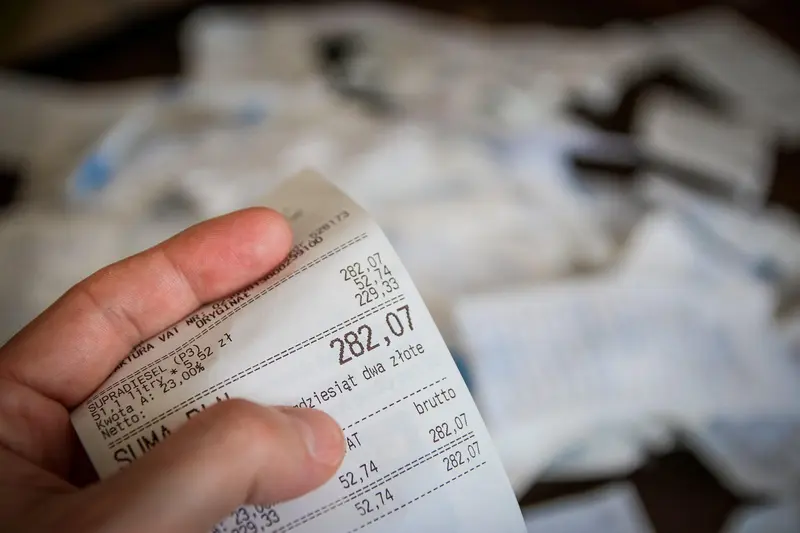
Cover photo by analogicus on Pixabay
Slide photos by andibreit, SnapwireSnaps on Pixabay