英语演讲的示范讲稿与中文翻译。每一页都可以听示范、开口练习。
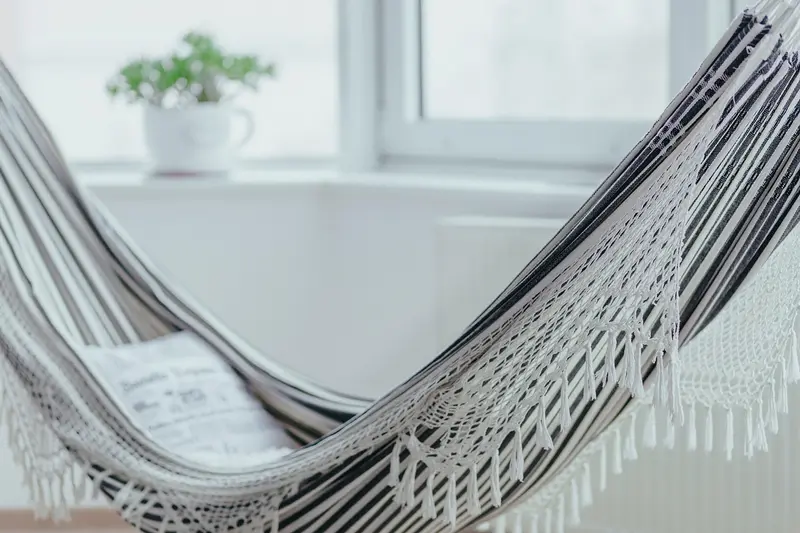
Naps: Lazy or Smart?
The case for naps
1 / 7
Model script
Hi, everyone. In some countries, an afternoon nap is normal. In others, people think napping is lazy. So, are short naps good for us? Today, I'll first look at the case for naps, and then the case against them. After that, I'll share my own experience and give my conclusion.
Your recording
Say this slide out loud, then listen to yourself.
Recordings stay on this device and disappear when you leave the page.
Useful phrases
the case for
The reasons that support something.
the case against
The reasons that oppose something.
give my conclusion
Say my final opinion.
Words
Highlighted words are on this slide. Tap a word to look it up on Google.
Full script
Read the whole talk.
All slides in one place. Read it through once, then practice slide by slide.
01Naps: Lazy or Smart?
Hi, everyone. In some countries, an afternoon nap is normal. In others, people think napping is lazy. So, are short naps good for us? Today, I'll first look at the case for naps, and then the case against them. After that, I'll share my own experience and give my conclusion.
大家好。在一些国家,午睡是很正常的事。而在另一些国家,人们认为午睡是偷懒。那么,短时间的午睡对我们有好处吗?今天,我会先看看支持午睡的观点,再看看反对的观点。之后,我会分享我自己的经历,并给出我的结论。
02The Case For: A NASA Study
Let's start with the case for naps. In 1994, NASA published a study of airline pilots on long flights over the Pacific. Some pilots could rest for 40 minutes in the cockpit, and others couldn't. The pilots who rested slept for about 26 minutes on average. According to the study, they had better alertness and performance, even during the landing. This shows that a short nap can help when we're tired and need to focus.
我们先从支持午睡的观点说起。1994年,美国国家航空航天局发表了一项研究,对象是飞越太平洋长途航班的航空公司飞行员。一些飞行员可以在驾驶舱里休息40分钟,另一些则不能。休息的飞行员平均睡了大约26分钟。根据这项研究,他们的警觉性和表现都更好,甚至在着陆时也是如此。这说明,当我们疲惫又需要集中注意力时,短时间的午睡会有帮助。
Source: NASA Technical Memorandum, "Crew Factors in Flight Operations IX: Effects of Planned Cockpit Rest on Crew Performance and Alertness in Long-Haul Operations" (Rosekind et al., 1994; 40-minute rest opportunity, average sleep 25.8 minutes, improved physiological alertness and performance)
03Students Are Like Those Pilots
Of course, I'm not a pilot. But many students are like those pilots in one way. We have long days, and we need to stay focused in the afternoon. A short nap could help us in our afternoon classes, or before an evening part-time job. In my case, my hardest class is at four in the afternoon, and that's exactly when I feel the sleepiest.
当然,我不是飞行员。但很多学生在某一点上和那些飞行员很像。我们的一天很长,下午也需要保持专注。短时间的午睡可以帮助我们上好下午的课,或者在晚上打工前恢复精神。拿我来说,我最难的课在下午四点,而那正是我最困的时候。
04The Case Against: Grogginess
However, there's another side. Naps can also cause problems. According to the Mayo Clinic, the longer you nap, the more likely you are to feel groggy afterward. It also says that if you have trouble sleeping at night, napping might make it worse. So for people who already sleep badly, a nap might not be a good idea. This was true for my roommate. She took long naps and then stayed up late every night.
不过,事情还有另一面。午睡也可能带来问题。根据梅奥诊所的说法,午睡时间越长,醒来后就越容易昏昏沉沉。它还说,如果你晚上睡不好,午睡可能会让情况更糟。所以,对于本来就睡不好的人来说,午睡可能不是个好主意。我的室友就是这样。她常常睡很长的午觉,然后每天晚上都熬到很晚。
Source: Mayo Clinic, "Napping: Do's and don'ts for healthy adults" (the longer you nap, the more likely you are to feel groggy afterward; napping might make trouble sleeping at night worse)
05What Happened to Me
I've tried both. Last year, I often slept for an hour after lunch. I woke up feeling heavy, and I couldn't fall asleep until two in the morning. Now, I set an alarm for 20 minutes, and I nap before three in the afternoon. I wake up feeling fresh, and I sleep well at night. The difference was clear after just one week.
这两种我都试过。去年,我常常在午饭后睡一个小时。醒来时觉得身体很沉,晚上到凌晨两点都睡不着。现在,我会设20分钟的闹钟,并且在下午三点前午睡。醒来后精神很好,晚上也睡得很香。只过了一个星期,差别就很明显了。
06Short and Early
So, which side is right? In my view, both are right, but they're talking about different naps. The Mayo Clinic suggests keeping naps short, about 10 to 30 minutes, and taking them in the early afternoon. That matches my experience. A short, early nap helps. A long, late nap hurts. So the real question is not "nap or no nap," but "how long, and when?"
那么,哪一方是对的呢?在我看来,两方都对,只是他们说的是不同的午睡。梅奥诊所建议午睡时间要短,大约10到30分钟,并且在下午早些时候睡。这和我的经历一致。短而早的午睡有帮助,长而晚的午睡有害。所以,真正的问题不是“睡不睡午觉”,而是“睡多久、什么时候睡”。
Source: Mayo Clinic, "Napping: Do's and don'ts for healthy adults" (keep naps short, about 10 to 30 minutes; take naps in the early afternoon)
07My Conclusion
To sum up, a NASA study shows that a short nap can make us more alert, but long naps can leave us groggy and hurt our sleep at night. So my answer is yes, short naps are good for us, as long as we keep them short and early. Thank you. I'm happy to take your questions.
总之,美国国家航空航天局的研究显示,短时间的午睡能让我们更警觉,但长时间的午睡会让我们昏昏沉沉,还会影响晚上的睡眠。所以我的回答是:是的,只要睡得短、睡得早,短时间的午睡对我们有好处。谢谢大家。欢迎提问。
Sources: NASA Technical Memorandum, "Crew Factors in Flight Operations IX" (Rosekind et al., 1994); Mayo Clinic, "Napping: Do's and don'ts for healthy adults"
More Health & Mind presentations





Cover photo by StockSnap on Pixabay