Guion modelo de una presentación en inglés con traducción al español. Escucha y practica diapositiva por diapositiva.
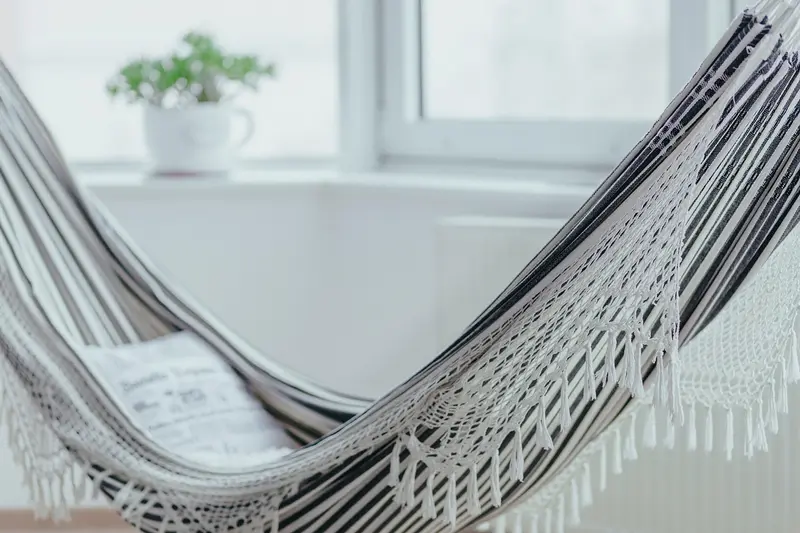
Naps: Lazy or Smart?
The case for naps
1 / 7
Model script
Hi, everyone. In some countries, an afternoon nap is normal. In others, people think napping is lazy. So, are short naps good for us? Today, I'll first look at the case for naps, and then the case against them. After that, I'll share my own experience and give my conclusion.
Your recording
Say this slide out loud, then listen to yourself.
Recordings stay on this device and disappear when you leave the page.
Useful phrases
the case for
The reasons that support something.
the case against
The reasons that oppose something.
give my conclusion
Say my final opinion.
Words
Highlighted words are on this slide. Tap a word to look it up on Google.
Full script
Read the whole talk.
All slides in one place. Read it through once, then practice slide by slide.
01Naps: Lazy or Smart?
Hi, everyone. In some countries, an afternoon nap is normal. In others, people think napping is lazy. So, are short naps good for us? Today, I'll first look at the case for naps, and then the case against them. After that, I'll share my own experience and give my conclusion.
Hola a todos. En algunos países, la siesta por la tarde es algo normal. En otros, la gente piensa que dormir la siesta es de perezosos. Entonces, ¿las siestas cortas son buenas para nosotros? Hoy veré primero los argumentos a favor de la siesta, y luego los argumentos en contra. Después, compartiré mi propia experiencia y daré mi conclusión.
02The Case For: A NASA Study
Let's start with the case for naps. In 1994, NASA published a study of airline pilots on long flights over the Pacific. Some pilots could rest for 40 minutes in the cockpit, and others couldn't. The pilots who rested slept for about 26 minutes on average. According to the study, they had better alertness and performance, even during the landing. This shows that a short nap can help when we're tired and need to focus.
Empecemos por los argumentos a favor. En 1994, la NASA publicó un estudio sobre pilotos de aerolíneas en vuelos largos sobre el Pacífico. Algunos pilotos podían descansar 40 minutos en la cabina, y otros no. Los pilotos que descansaron durmieron unos 26 minutos en promedio. Según el estudio, tuvieron mejor nivel de alerta y mejor desempeño, incluso durante el aterrizaje. Esto muestra que una siesta corta puede ayudar cuando estamos cansados y necesitamos concentrarnos.
Source: NASA Technical Memorandum, "Crew Factors in Flight Operations IX: Effects of Planned Cockpit Rest on Crew Performance and Alertness in Long-Haul Operations" (Rosekind et al., 1994; 40-minute rest opportunity, average sleep 25.8 minutes, improved physiological alertness and performance)
03Students Are Like Those Pilots
Of course, I'm not a pilot. But many students are like those pilots in one way. We have long days, and we need to stay focused in the afternoon. A short nap could help us in our afternoon classes, or before an evening part-time job. In my case, my hardest class is at four in the afternoon, and that's exactly when I feel the sleepiest.
Claro, yo no soy piloto. Pero muchos estudiantes se parecen a esos pilotos en un aspecto. Tenemos días largos y necesitamos mantenernos concentrados por la tarde. Una siesta corta podría ayudarnos en las clases de la tarde o antes de un trabajo de medio tiempo por la noche. En mi caso, mi clase más difícil es a las cuatro de la tarde, y es justo cuando tengo más sueño.
04The Case Against: Grogginess
However, there's another side. Naps can also cause problems. According to the Mayo Clinic, the longer you nap, the more likely you are to feel groggy afterward. It also says that if you have trouble sleeping at night, napping might make it worse. So for people who already sleep badly, a nap might not be a good idea. This was true for my roommate. She took long naps and then stayed up late every night.
Sin embargo, hay otro lado. Las siestas también pueden causar problemas. Según la Clínica Mayo, cuanto más larga es la siesta, más probable es sentirse aturdido después. También dice que, si tienes problemas para dormir por la noche, la siesta podría empeorarlos. Así que, para las personas que ya duermen mal, una siesta podría no ser buena idea. Eso le pasaba a mi compañera de cuarto. Dormía siestas largas y luego se quedaba despierta hasta tarde todas las noches.
Source: Mayo Clinic, "Napping: Do's and don'ts for healthy adults" (the longer you nap, the more likely you are to feel groggy afterward; napping might make trouble sleeping at night worse)
05What Happened to Me
I've tried both. Last year, I often slept for an hour after lunch. I woke up feeling heavy, and I couldn't fall asleep until two in the morning. Now, I set an alarm for 20 minutes, and I nap before three in the afternoon. I wake up feeling fresh, and I sleep well at night. The difference was clear after just one week.
Yo he probado las dos cosas. El año pasado, a menudo dormía una hora después de comer. Me despertaba con el cuerpo pesado y no podía dormirme hasta las dos de la mañana. Ahora pongo una alarma de 20 minutos y duermo la siesta antes de las tres de la tarde. Me despierto con energía y duermo bien por la noche. La diferencia fue clara en solo una semana.
06Short and Early
So, which side is right? In my view, both are right, but they're talking about different naps. The Mayo Clinic suggests keeping naps short, about 10 to 30 minutes, and taking them in the early afternoon. That matches my experience. A short, early nap helps. A long, late nap hurts. So the real question is not "nap or no nap," but "how long, and when?"
Entonces, ¿qué lado tiene razón? En mi opinión, los dos, pero hablan de siestas diferentes. La Clínica Mayo recomienda que las siestas sean cortas, de unos 10 a 30 minutos, y a primera hora de la tarde. Eso coincide con mi experiencia. Una siesta corta y temprana ayuda. Una siesta larga y tardía perjudica. Así que la verdadera pregunta no es «siesta o no siesta», sino «¿cuánto tiempo y cuándo?».
Source: Mayo Clinic, "Napping: Do's and don'ts for healthy adults" (keep naps short, about 10 to 30 minutes; take naps in the early afternoon)
07My Conclusion
To sum up, a NASA study shows that a short nap can make us more alert, but long naps can leave us groggy and hurt our sleep at night. So my answer is yes, short naps are good for us, as long as we keep them short and early. Thank you. I'm happy to take your questions.
En resumen, un estudio de la NASA muestra que una siesta corta puede hacernos estar más alerta, pero las siestas largas pueden dejarnos aturdidos y afectar nuestro sueño nocturno. Así que mi respuesta es sí: las siestas cortas son buenas para nosotros, siempre que sean cortas y temprano. Gracias. Con gusto respondo sus preguntas.
Sources: NASA Technical Memorandum, "Crew Factors in Flight Operations IX" (Rosekind et al., 1994); Mayo Clinic, "Napping: Do's and don'ts for healthy adults"
More Health & Mind presentations



Cover photo by StockSnap on Pixabay