英文簡報的示範講稿與中文翻譯。每一頁都可以聽示範、開口練習。
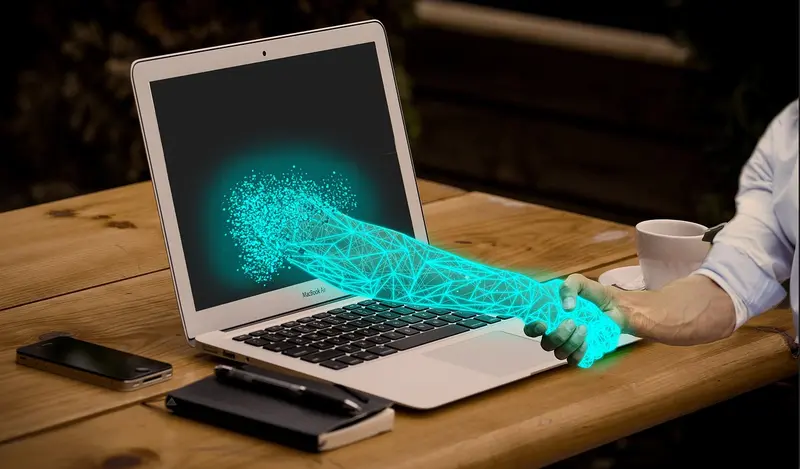
Will AI Take Our Jobs?
A common worry
1 / 8
Model script
Hello, everyone. Last month, a friend of mine told me she was thinking of changing her major. She wanted to be a translator, but she said, "AI can already do that. What's the point?" To be honest, I worry about the same thing sometimes. So today, I'll look at what two big international reports say about AI and jobs. Then I'll look at a lesson from history. And finally, I'll share my own prediction for the year 2040.
Your recording
Say this slide out loud, then listen to yourself.
Recordings stay on this device and disappear when you leave the page.
Useful phrases
What's the point?
Why should I do it? It seems useless.
To be honest
Used before saying what you really think or feel.
I'll share my own prediction
I will tell you what I think will happen.
Words
Highlighted words are on this slide. Tap a word to look it up on Google.
Full script
Read the whole talk.
All slides in one place. Read it through once, then practice slide by slide.
01Will AI Take Our Jobs?
Hello, everyone. Last month, a friend of mine told me she was thinking of changing her major. She wanted to be a translator, but she said, "AI can already do that. What's the point?" To be honest, I worry about the same thing sometimes. So today, I'll look at what two big international reports say about AI and jobs. Then I'll look at a lesson from history. And finally, I'll share my own prediction for the year 2040.
大家好。上個月,我的一個朋友跟我說,她在考慮轉系。她原本想當翻譯,但她說:「AI已經會翻譯了,那我學這個要幹嘛?」老實說,我有時候也會擔心同樣的事。所以今天,我想看看兩份大型國際報告怎麼談AI和工作。接著,我會講一個歷史上的教訓。最後,我會分享我對2040年的預測。
02AI Is Already at Work
First, AI is not just the future. It's already here. Today, people use AI to write emails, translate texts, make images, and even write simple computer code. I use it myself. Last semester, I asked AI to check the grammar in my reports, and it found mistakes my teacher would have found. In just a few years, AI has become part of many people's daily work. So the question is not whether AI will change jobs. It's how much, and how fast.
首先,AI不只是未來,它已經來了。現在大家會用AI寫電子郵件、翻譯文章、做圖片,甚至寫簡單的程式。我自己也在用。上學期,我請AI幫我檢查報告的文法,它找出了老師也會挑出來的錯誤。短短幾年內,AI已經成為很多人日常工作的一部分。所以,問題不在於AI會不會改變工作,而是會改變多少、改變得多快。
03What Employers Expect by 2030
So, what does the data say? The World Economic Forum asked more than 1,000 of the world's largest employers about the future. In its Future of Jobs Report 2025, employers expect about 170 million new jobs to be created by 2030, and about 92 million jobs to disappear. That means a net increase of about 78 million jobs. Of course, these are predictions, not facts yet. But it's interesting that the people who actually hire workers expect more jobs, not fewer.
那麼,資料怎麼說呢?世界經濟論壇詢問了全球1,000多家大型雇主對未來的看法。在《2025年未來就業報告》裡,雇主們預估到2030年會新增大約1.7億個工作,同時大約有9,200萬個工作會消失。也就是說,淨增加大約7,800萬個工作。當然,這些是預測,還不是事實。但有趣的是,真正在招人的人預期工作會變多,而不是變少。
Source: World Economic Forum, "Future of Jobs Report 2025" (January 2025)
04Which Jobs Are Most Exposed?
The second report comes from the International Labour Organization, a United Nations agency. In 2025, it found that about one in four jobs in the world are in occupations exposed to generative AI. In high-income countries, the share was 34%. The most exposed jobs were clerical ones, like data entry and bookkeeping. But here's the important part. The report said that being exposed doesn't mean the job will disappear. In most cases, the most likely result is that the job will change.
第二份報告來自國際勞工組織,它是聯合國的一個機構。2025年,這個組織發現,全世界大約每四個工作中,就有一個屬於會受到生成式AI影響的職業。在高所得國家,這個比例是34%。受影響最大的是行政事務類的工作,像是資料輸入和記帳。但重點是,報告指出,受到影響不代表這個工作會消失。在大部分情況下,最可能的結果是工作內容會改變。
Source: International Labour Organization (ILO) & NASK, "Generative AI and Jobs: A Refined Global Index of Occupational Exposure" (May 2025)
05A Lesson From History: ATMs
History gives us a good example. When ATMs spread across the United States, many people thought bank tellers would lose their jobs. But the economist James Bessen found something surprising. ATMs made each bank branch cheaper to run, so banks opened more branches. Tellers stopped counting cash all day and started helping customers with things like loans. Economists still argue about the details, but the main lesson is clear: a machine took over some tasks, and the job changed.
歷史給了我們一個很好的例子。自動提款機在美國普及的時候,很多人以為銀行櫃員會失業。但經濟學家詹姆斯.貝森發現了一件令人意外的事。自動提款機讓每家分行的營運成本降低了,所以銀行開了更多分行。櫃員不再整天數鈔票,而是開始協助客戶辦理貸款之類的業務。經濟學家對細節仍有爭論,但主要的教訓很清楚:機器接手了一部分的工作,而工作本身改變了。
Sources: James Bessen, "Toil and Technology," Finance & Development (IMF), March 2015; James Bessen, Learning by Doing: The Real Connection between Innovation, Wages, and Wealth (Yale University Press, 2015)
06My Prediction for 2040
So here's my prediction, and this part is my opinion, not data. Right now, AI mostly helps with small tasks. I think that by 2030, most office workers will use AI every day, just like we use email now. And by 2040, many people will have jobs with names we can't even imagine today, just like nobody said "app developer" thirty years ago. My friend who wants to be a translator? I think she'll still have a job. But she'll spend less time translating word by word, and more time checking, editing, and understanding culture.
所以,這是我的預測,這部分是我的個人看法,不是資料。現在,AI主要是幫忙處理一些小任務。我認為到了2030年,大部分的上班族每天都會用AI,就像我們現在用電子郵件一樣。到了2040年,很多人會做一些我們今天連名稱都想像不到的工作,就像三十年前沒有人說過「App開發者」一樣。那我那個想當翻譯的朋友呢?我覺得她還是會有工作。但她花在逐字翻譯的時間會變少,花在檢查、修改和理解文化的時間會變多。
07How I'm Getting Ready
So, how am I getting ready? I'm focusing on three skills. First, asking good questions, because AI is only as good as the question you give it. Second, checking AI's answers, because it still makes mistakes, and someone has to notice them. And third, working well with people, because understanding what a customer or a teammate really needs is the part AI can't do for me. Interestingly, these are the same skills that made those bank tellers valuable after ATMs arrived.
那麼,我在做哪些準備呢?我在加強三種能力。第一,問好問題,因為AI回答得好不好,取決於你怎麼問。第二,檢查AI的回答,因為它還是會出錯,總要有人發現。第三,和人好好合作,因為了解客戶或隊友真正需要什麼,是AI沒辦法替我做的。有趣的是,這些正是自動提款機出現之後,讓銀行櫃員變得有價值的那些能力。
08The Better Question
To sum up, employers expect more jobs, not fewer, and the ILO says most jobs will change rather than disappear. History tells the same story. So I don't think the right question is "Will AI take my job?" The better question is "How will my job change, and how can I change with it?" If we start asking that question now, I believe 2040 will be less scary than we think. Thank you, and I'd love to hear your predictions too.
總結來說,雇主們預期工作會變多而不是變少,國際勞工組織也說,大部分的工作會改變,而不是消失。歷史也告訴我們同樣的事。所以我覺得,正確的問題不是「AI會搶走我的工作嗎?」更好的問題是「我的工作會怎麼改變,我又要怎麼跟著改變?」如果我們從現在開始思考這個問題,我相信2040年不會像我們想的那麼可怕。謝謝大家,也很想聽聽你們的預測。
Sources: World Economic Forum, "Future of Jobs Report 2025" (January 2025); International Labour Organization (ILO) & NASK, "Generative AI and Jobs: A Refined Global Index of Occupational Exposure" (May 2025)
More Work & Careers presentations






Cover photo by kiquebg on Pixabay
Slide photos by Pexels, StartupStockPhotos on Pixabay