英語プレゼンのお手本の原稿と日本語訳。スライドごとに、聞いて・話して練習できます。
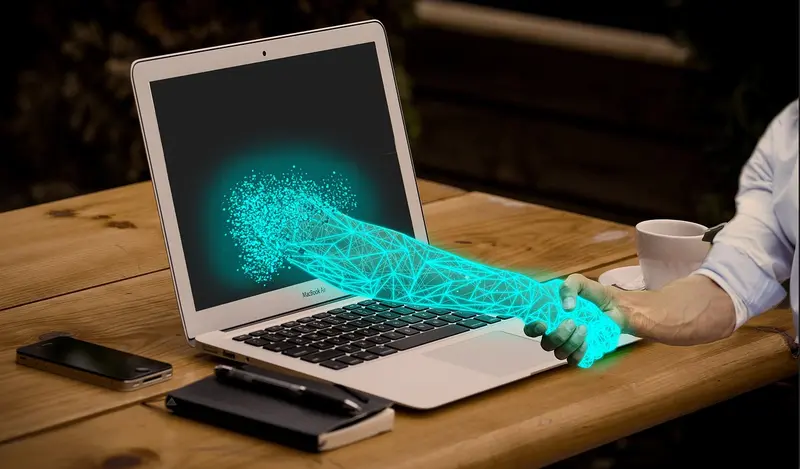
Will AI Take Our Jobs?
A common worry
1 / 8
Model script
Hello, everyone. Last month, a friend of mine told me she was thinking of changing her major. She wanted to be a translator, but she said, "AI can already do that. What's the point?" To be honest, I worry about the same thing sometimes. So today, I'll look at what two big international reports say about AI and jobs. Then I'll look at a lesson from history. And finally, I'll share my own prediction for the year 2040.
Your recording
Say this slide out loud, then listen to yourself.
Recordings stay on this device and disappear when you leave the page.
Useful phrases
What's the point?
Why should I do it? It seems useless.
To be honest
Used before saying what you really think or feel.
I'll share my own prediction
I will tell you what I think will happen.
Words
Highlighted words are on this slide. Tap a word to look it up on Google.
Full script
Read the whole talk.
All slides in one place. Read it through once, then practice slide by slide.
01Will AI Take Our Jobs?
Hello, everyone. Last month, a friend of mine told me she was thinking of changing her major. She wanted to be a translator, but she said, "AI can already do that. What's the point?" To be honest, I worry about the same thing sometimes. So today, I'll look at what two big international reports say about AI and jobs. Then I'll look at a lesson from history. And finally, I'll share my own prediction for the year 2040.
みなさん、こんにちは。先月、友だちの一人が、専攻を変えようか考えていると話してくれました。翻訳家になりたかったのに、「もうAIにできるんだから、意味ないよね」と言うのです。正直に言うと、私もときどき同じことを心配します。そこで今日は、2つの大きな国際的な報告書が、AIと仕事について何と言っているかを見ていきます。次に、歴史から学べることを見ます。そして最後に、2040年についての私自身の予測をお話しします。
02AI Is Already at Work
First, AI is not just the future. It's already here. Today, people use AI to write emails, translate texts, make images, and even write simple computer code. I use it myself. Last semester, I asked AI to check the grammar in my reports, and it found mistakes my teacher would have found. In just a few years, AI has become part of many people's daily work. So the question is not whether AI will change jobs. It's how much, and how fast.
まず、AIは未来の話だけではありません。もうここにあります。今では、メールを書く、文章を翻訳する、画像を作る、さらには簡単なプログラムを書くためにも、AIが使われています。私自身も使っています。前の学期、レポートの文法をAIにチェックしてもらったら、先生が見つけそうなまちがいを見つけてくれました。ほんの数年で、AIは多くの人の毎日の仕事の一部になりました。だから問題は、AIが仕事を変えるかどうかではありません。どのくらい、どのくらいの速さで変えるか、です。
03What Employers Expect by 2030
So, what does the data say? The World Economic Forum asked more than 1,000 of the world's largest employers about the future. In its Future of Jobs Report 2025, employers expect about 170 million new jobs to be created by 2030, and about 92 million jobs to disappear. That means a net increase of about 78 million jobs. Of course, these are predictions, not facts yet. But it's interesting that the people who actually hire workers expect more jobs, not fewer.
では、データは何と言っているでしょうか。世界経済フォーラムは、世界の大企業1,000社以上に、これからについてたずねました。その「仕事の未来レポート2025」によると、企業は2030年までに約1億7,000万の仕事が新しく生まれ、約9,200万の仕事がなくなると予想しています。差し引きで、約7,800万の仕事が増えることになります。もちろん、これは予測であって、まだ事実ではありません。でも、実際に人をやとう立場の人たちが、仕事は減るのではなく増えると予想しているのは興味深いことです。
Source: World Economic Forum, "Future of Jobs Report 2025" (January 2025)
04Which Jobs Are Most Exposed?
The second report comes from the International Labour Organization, a United Nations agency. In 2025, it found that about one in four jobs in the world are in occupations exposed to generative AI. In high-income countries, the share was 34%. The most exposed jobs were clerical ones, like data entry and bookkeeping. But here's the important part. The report said that being exposed doesn't mean the job will disappear. In most cases, the most likely result is that the job will change.
2つ目の報告書は、国連の機関である国際労働機関(ILO)のものです。2025年の調査で、世界の仕事の約4つに1つが、生成AIの影響を受けうる職業だと分かりました。高所得の国では、その割合は34%でした。いちばん影響を受けやすいのは、データ入力や帳簿付けのような事務の仕事でした。でも、ここが大事なところです。報告書は、影響を受けうることは、その仕事がなくなることを意味しないと述べています。ほとんどの場合、いちばんありそうなのは、仕事の中身が変わることなのです。
Source: International Labour Organization (ILO) & NASK, "Generative AI and Jobs: A Refined Global Index of Occupational Exposure" (May 2025)
05A Lesson From History: ATMs
History gives us a good example. When ATMs spread across the United States, many people thought bank tellers would lose their jobs. But the economist James Bessen found something surprising. ATMs made each bank branch cheaper to run, so banks opened more branches. Tellers stopped counting cash all day and started helping customers with things like loans. Economists still argue about the details, but the main lesson is clear: a machine took over some tasks, and the job changed.
歴史に、いい例があります。アメリカでATMが広まったとき、多くの人は、銀行の窓口係が仕事を失うと考えました。でも、経済学者のジェームズ・ベッセンは、意外なことに気づきました。ATMのおかげで、支店1つを運営する費用が安くなったので、銀行は支店を増やしたのです。窓口係は一日中お金を数えるのをやめ、ローンなどの相談で客を助けるようになりました。細かい点では経済学者の意見はまだ分かれていますが、大事な教訓ははっきりしています。機械が一部の作業を引き受け、仕事の中身が変わったのです。
Sources: James Bessen, "Toil and Technology," Finance & Development (IMF), March 2015; James Bessen, Learning by Doing: The Real Connection between Innovation, Wages, and Wealth (Yale University Press, 2015)
06My Prediction for 2040
So here's my prediction, and this part is my opinion, not data. Right now, AI mostly helps with small tasks. I think that by 2030, most office workers will use AI every day, just like we use email now. And by 2040, many people will have jobs with names we can't even imagine today, just like nobody said "app developer" thirty years ago. My friend who wants to be a translator? I think she'll still have a job. But she'll spend less time translating word by word, and more time checking, editing, and understanding culture.
そこで、私の予測です。ここからはデータではなく、私の意見です。今のところ、AIはおもに小さな作業を手伝っています。2030年までには、今メールを使うのと同じように、ほとんどの会社員が毎日AIを使うようになると思います。そして2040年には、多くの人が、今は想像もできない名前の仕事をしているでしょう。30年前に「アプリ開発者」と言う人がいなかったのと同じです。翻訳家になりたい私の友だちは?仕事はあると思います。でも、一語ずつ訳す時間は減り、確認したり、手直ししたり、文化を理解したりする時間が増えるでしょう。
07How I'm Getting Ready
So, how am I getting ready? I'm focusing on three skills. First, asking good questions, because AI is only as good as the question you give it. Second, checking AI's answers, because it still makes mistakes, and someone has to notice them. And third, working well with people, because understanding what a customer or a teammate really needs is the part AI can't do for me. Interestingly, these are the same skills that made those bank tellers valuable after ATMs arrived.
では、私はどう準備しているのでしょうか。3つの力に力を入れています。1つ目は、いい質問をすること。AIは、もらった質問の良さまでしか答えられないからです。2つ目は、AIの答えを確かめること。AIはまだまちがえるので、だれかが気づかなければなりません。そして3つ目は、人とうまく協力すること。お客さんやチームの仲間が本当に必要としていることを理解するのは、AIが代わりにやってくれない部分だからです。おもしろいことに、これはATMが来たあとに銀行の窓口係を価値ある存在にしたのと同じ力です。
08The Better Question
To sum up, employers expect more jobs, not fewer, and the ILO says most jobs will change rather than disappear. History tells the same story. So I don't think the right question is "Will AI take my job?" The better question is "How will my job change, and how can I change with it?" If we start asking that question now, I believe 2040 will be less scary than we think. Thank you, and I'd love to hear your predictions too.
まとめると、企業は仕事が減るのではなく増えると予想していて、ILOはほとんどの仕事がなくなるのではなく変わると言っています。歴史も同じことを物語っています。だから、正しい問いは「AIに仕事を奪われるか?」ではないと思います。よりよい問いは「自分の仕事はどう変わり、自分はそれに合わせてどう変われるか?」です。今からその問いを考え始めれば、2040年は思っているほどこわくないと信じています。ありがとうございました。みなさんの予測もぜひ聞かせてください。
Sources: World Economic Forum, "Future of Jobs Report 2025" (January 2025); International Labour Organization (ILO) & NASK, "Generative AI and Jobs: A Refined Global Index of Occupational Exposure" (May 2025)
More Work & Careers presentations






Cover photo by kiquebg on Pixabay
Slide photos by Pexels, StartupStockPhotos on Pixabay