Right to Repair: Good Goal, but Let's Be Careful
AdvancedAgainstTech & Internet英文簡報的示範講稿與中文翻譯。每一頁都可以聽示範、開口練習。
Practice the other side:Why We Need a Right to Repair Our Devices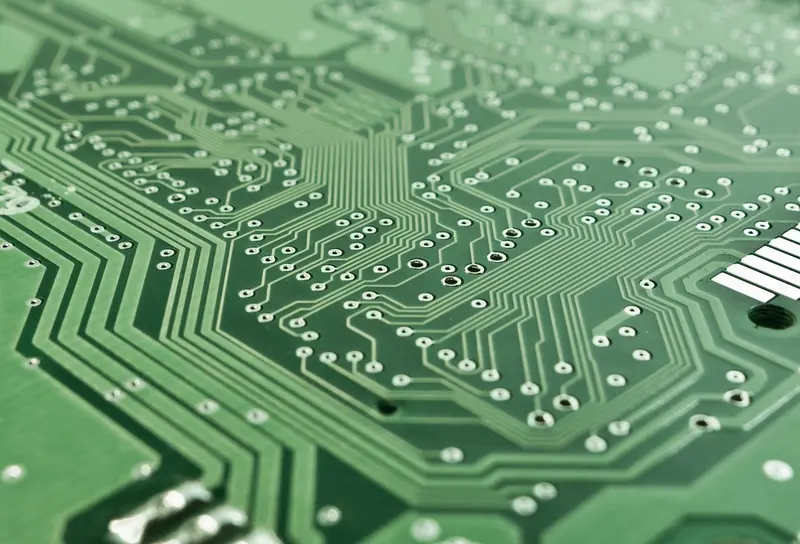
Right to Repair: Let's Be Careful
A good goal with hidden risks
Model script
Good evening. I'm a product designer at an electronics company in Stockholm. Everyone likes the idea of repairing things instead of throwing them away, and so do I. But today, I'll argue that strong repair rules have risks we shouldn't ignore.
Your recording
Say this slide out loud, then listen to yourself.
Recordings stay on this device and disappear when you leave the page.
Useful phrases
and so do I
I also like it.
risks we shouldn't ignore
Dangers we must pay attention to.
Full script
Read the whole talk.
All slides in one place. Read it through once, then practice slide by slide.
01Right to Repair: Let's Be Careful
Good evening. I'm a product designer at an electronics company in Stockholm. Everyone likes the idea of repairing things instead of throwing them away, and so do I. But today, I'll argue that strong repair rules have risks we shouldn't ignore.
晚安。我是斯德哥爾摩一家電子公司的產品設計師。大家都喜歡把東西修好、而不是丟掉的想法,我也一樣。但今天,我要主張嚴格的維修規定有一些我們不該忽視的風險。
02Where I Agree
Let me be clear about where I agree. Reducing electronic waste is important. The EU's 2024 directive on repairing goods, which countries had to apply by July 2026, shows how seriously governments take it.
先說清楚我認同的部分。減少電子廢棄物很重要。歐盟2024年關於商品維修的指令,要求各國在2026年7月以前施行,這顯示各國政府有多麼重視這件事。
Sources: Directive (EU) 2024/1799 on common rules promoting the repair of goods, EUR-Lex; European Commission, "Directive on repair of goods"
03Concern 1: Design Trade-Offs
My first concern is design. Customers want phones that are thin, light, and waterproof. Making every part easy to remove can mean thicker devices or weaker water protection. Every design is a trade-off.
我的第一個擔憂是設計。客人想要又薄、又輕、又防水的手機。如果每個零件都要容易拆,機身可能就會變厚,防水能力也可能變差。每一種設計都是一種取捨。
04Concern 2: Safety and Security
Second, safety. Phone batteries can catch fire if they're handled badly. And when repairs happen anywhere, there's a risk of low-quality or fake parts, and even of someone accessing personal data.
第二是安全。手機電池如果處理不當,可能會起火。而且,如果到處都能維修,就有可能用到品質低劣或仿冒的零件,甚至有人可能趁機存取個人資料。
05Concern 3: Costs Passed to Customers
Third, cost. Keeping spare parts in stock for many years, for every model, is expensive. Companies will likely pass some of that cost on to customers, including people who never repair anything.
第三是成本。每一款機型都要庫存好幾年的備用零件,成本很高。公司很可能會把一部分成本轉嫁給客人,包括那些從來不修東西的人。
06A Balanced Approach
So, what's the balanced approach? Focus on the most common repairs, like screens and batteries, and support certified independent repairers who are trained to work safely.
那麼,比較平衡的做法是什麼呢?把重點放在最常見的維修上,像是螢幕和電池,並且支持受過訓練、能安全作業的認證獨立維修業者。
07Let's Watch the Results
Now that the EU's rules apply, we'll get real data on prices, safety, and waste. I think other countries should watch those results carefully before copying the rules.
現在歐盟的規定已經上路,我們會拿到有關價格、安全和廢棄物的實際數據。我認為其他國家在照抄這些規定之前,應該仔細觀察這些結果。
Source: Directive (EU) 2024/1799 on common rules promoting the repair of goods, EUR-Lex
08Conclusion
In conclusion, I support repair, but not at any cost. Good rules should balance waste, safety, and design. Let's get the details right. Thank you.
總結來說,我支持維修,但不是不計任何代價。好的規定應該在廢棄物、安全和設計之間取得平衡。讓我們把細節做對。謝謝大家。
Cover photo by blickpixel on Pixabay
Slide photos by Militiamobiles, NakNakNak on Pixabay