Right to Repair: Good Goal, but Let's Be Careful
AdvancedAgainstTech & Internet영어 프레젠테이션 모범 원고와 한국어 번역. 슬라이드마다 듣고 말하며 연습할 수 있습니다.
Practice the other side:Why We Need a Right to Repair Our Devices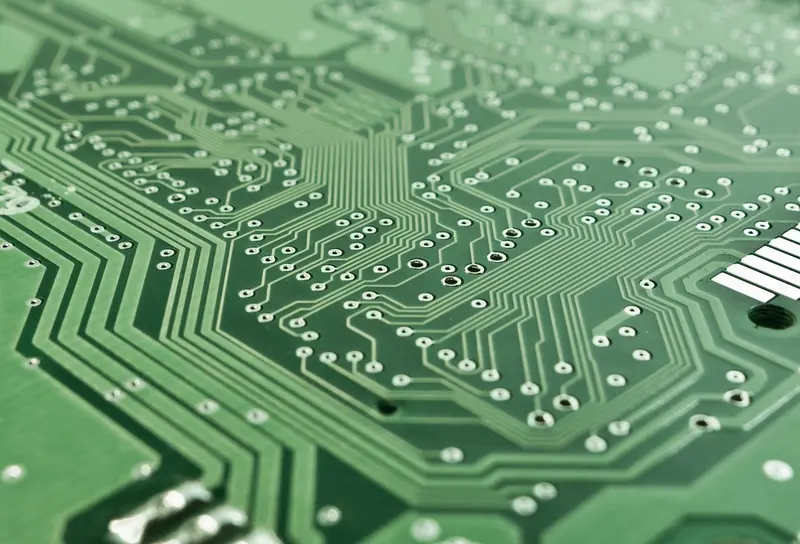
Right to Repair: Let's Be Careful
A good goal with hidden risks
Model script
Good evening. I'm a product designer at an electronics company in Stockholm. Everyone likes the idea of repairing things instead of throwing them away, and so do I. But today, I'll argue that strong repair rules have risks we shouldn't ignore.
Your recording
Say this slide out loud, then listen to yourself.
Recordings stay on this device and disappear when you leave the page.
Useful phrases
and so do I
I also like it.
risks we shouldn't ignore
Dangers we must pay attention to.
Full script
Read the whole talk.
All slides in one place. Read it through once, then practice slide by slide.
01Right to Repair: Let's Be Careful
Good evening. I'm a product designer at an electronics company in Stockholm. Everyone likes the idea of repairing things instead of throwing them away, and so do I. But today, I'll argue that strong repair rules have risks we shouldn't ignore.
안녕하세요. 저는 스톡홀름의 한 전자 회사에서 일하는 제품 디자이너입니다. 버리는 대신 고쳐 쓴다는 생각은 모두가 좋아하고, 저도 그렇습니다. 하지만 오늘 저는 강력한 수리 규칙에 우리가 무시하면 안 되는 위험이 있다고 주장하겠습니다.
02Where I Agree
Let me be clear about where I agree. Reducing electronic waste is important. The EU's 2024 directive on repairing goods, which countries had to apply by July 2026, shows how seriously governments take it.
제가 동의하는 부분을 분명히 하겠습니다. 전자 쓰레기를 줄이는 것은 중요합니다. 각국이 2026년 7월까지 적용해야 했던 EU의 2024년 상품 수리 지침은 정부가 이 문제를 얼마나 진지하게 받아들이는지 보여 줍니다.
Sources: Directive (EU) 2024/1799 on common rules promoting the repair of goods, EUR-Lex; European Commission, "Directive on repair of goods"
03Concern 1: Design Trade-Offs
My first concern is design. Customers want phones that are thin, light, and waterproof. Making every part easy to remove can mean thicker devices or weaker water protection. Every design is a trade-off.
첫 번째 걱정은 디자인입니다. 손님들은 얇고, 가볍고, 방수가 되는 휴대폰을 원합니다. 모든 부품을 쉽게 뺄 수 있게 만들면 기기가 두꺼워지거나 방수 기능이 약해질 수 있습니다. 모든 디자인에는 맞바꿈이 있습니다.
04Concern 2: Safety and Security
Second, safety. Phone batteries can catch fire if they're handled badly. And when repairs happen anywhere, there's a risk of low-quality or fake parts, and even of someone accessing personal data.
둘째, 안전입니다. 휴대폰 배터리는 잘못 다루면 불이 날 수 있습니다. 그리고 아무 데서나 수리를 하면 품질이 낮거나 가짜인 부품, 심지어 누군가 개인 정보에 접근할 위험도 있습니다.
05Concern 3: Costs Passed to Customers
Third, cost. Keeping spare parts in stock for many years, for every model, is expensive. Companies will likely pass some of that cost on to customers, including people who never repair anything.
셋째, 비용입니다. 모든 모델의 예비 부품을 여러 해 동안 재고로 두는 것은 비쌉니다. 회사는 그 비용의 일부를 손님에게 떠넘길 가능성이 크고, 아무것도 고치지 않는 사람들도 그 비용을 내게 됩니다.
06A Balanced Approach
So, what's the balanced approach? Focus on the most common repairs, like screens and batteries, and support certified independent repairers who are trained to work safely.
그렇다면 균형 잡힌 방법은 무엇일까요? 화면이나 배터리처럼 가장 흔한 수리에 집중하고, 안전하게 일하도록 교육받은 공인 독립 수리점을 지원하는 것입니다.
07Let's Watch the Results
Now that the EU's rules apply, we'll get real data on prices, safety, and waste. I think other countries should watch those results carefully before copying the rules.
EU의 규칙이 적용되기 시작했으니, 가격과 안전, 쓰레기에 대한 실제 데이터가 나올 것입니다. 저는 다른 나라들이 규칙을 따라 하기 전에 그 결과를 주의 깊게 지켜봐야 한다고 생각합니다.
Source: Directive (EU) 2024/1799 on common rules promoting the repair of goods, EUR-Lex
08Conclusion
In conclusion, I support repair, but not at any cost. Good rules should balance waste, safety, and design. Let's get the details right. Thank you.
결론적으로, 저는 수리를 지지하지만, 어떤 대가를 치르더라도는 아닙니다. 좋은 규칙은 쓰레기, 안전, 디자인 사이에서 균형을 잡아야 합니다. 세부 사항을 제대로 정합시다. 감사합니다.
Cover photo by blickpixel on Pixabay
Slide photos by Militiamobiles, NakNakNak on Pixabay