Guion modelo de una presentación en inglés con traducción al español. Escucha y practica diapositiva por diapositiva.
Let's Refill, Not Rebuy
The problem
1 / 7
Model script
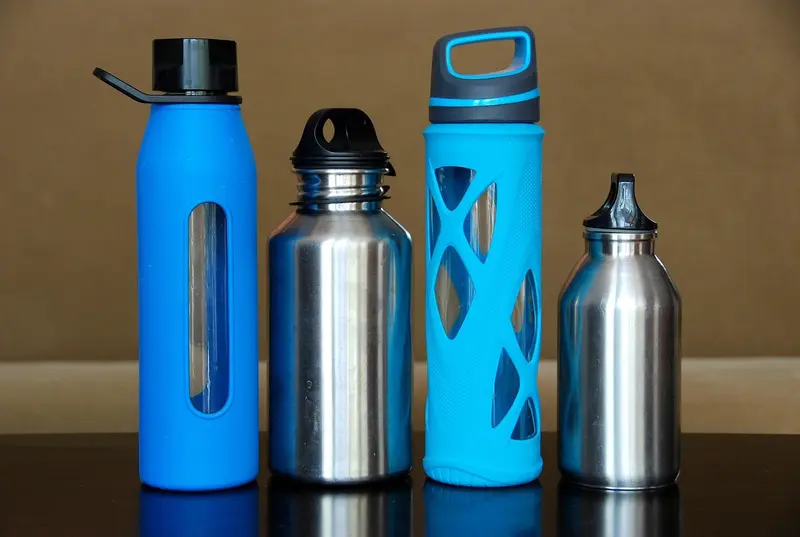
Hi, everyone. Every day at lunch, I see the same thing. The trash bins in our cafeteria are full of plastic water bottles. Today, I'd like to propose a simple change: free water refill stations in our cafeteria. First, I'll explain the problem. Then, I'll share my proposal. After that, I'll answer the main concerns and suggest next steps.
Your recording
Say this slide out loud, then listen to yourself.
Recordings stay on this device and disappear when you leave the page.
Useful phrases
I see the same thing
I notice the same situation again and again.
I'd like to propose
I want to suggest (a plan).
Words
Highlighted words are on this slide. Tap a word to look it up on Google.
Full script
Read the whole talk.
All slides in one place. Read it through once, then practice slide by slide.
01Let's Refill, Not Rebuy
Hi, everyone. Every day at lunch, I see the same thing. The trash bins in our cafeteria are full of plastic water bottles. Today, I'd like to propose a simple change: free water refill stations in our cafeteria. First, I'll explain the problem. Then, I'll share my proposal. After that, I'll answer the main concerns and suggest next steps.
Hola a todos. Todos los días a la hora del almuerzo, veo lo mismo. Los botes de basura de nuestra cafetería están llenos de botellas de plástico de agua. Hoy me gustaría proponer un cambio sencillo: estaciones gratuitas para rellenar agua en nuestra cafetería. Primero, les explicaré el problema. Luego, les contaré mi propuesta. Después, responderé a las principales preocupaciones y propondré los siguientes pasos.
02What Our Classmates Do
First, I wanted to know how big the problem is. So I asked 30 classmates two questions. 22 of them said they buy bottled water at least three times a week. And 25 said they would use a free refill station if we had one. I also counted the bottles in one cafeteria bin after lunch on Monday. There were 41. It's a small survey, but it shows that many students want this.
Primero, quería saber qué tan grande es el problema. Así que les hice dos preguntas a 30 compañeros. 22 dijeron que compran agua embotellada al menos tres veces por semana. Y 25 dijeron que usarían una estación gratuita para rellenar si la tuviéramos. También conté las botellas de un bote de basura de la cafetería después del almuerzo del lunes. Había 41. Es una encuesta pequeña, pero muestra que muchos estudiantes quieren esto.
The numbers on this slide are made up for practice. They are not real data.
03My Proposal
So I propose that our cafeteria install two water refill stations, one near the entrance and one near the tables. Students would bring their own bottles and fill them for free. The idea is simple: instead of buying a new bottle every day, we refill the same one. Many students already carry their own bottles, so all we need is a place to fill them.
Así que propongo que nuestra cafetería instale dos estaciones para rellenar agua, una cerca de la entrada y otra cerca de las mesas. Los estudiantes traerían sus propias botellas y las llenarían gratis. La idea es sencilla: en lugar de comprar una botella nueva cada día, rellenamos la misma. Muchos estudiantes ya llevan su propia botella, así que lo único que necesitamos es un lugar para llenarla.
04Three Benefits
I see three benefits. First, students save money, because we don't buy a bottle every day. Second, there's less plastic trash in our bins. Third, it's easier to drink water during the day. Personally, since I started carrying my own bottle, I drink much more water, and fewer sweet drinks.
Veo tres beneficios. Primero, los estudiantes ahorran dinero, porque no compramos una botella cada día. Segundo, hay menos basura de plástico en los botes. Tercero, es más fácil tomar agua durante el día. En lo personal, desde que empecé a llevar mi propia botella, tomo mucha más agua y menos bebidas dulces.
05"Is It Clean?"
Now, some people might worry that a refill station isn't clean. That's a fair question. But the cafeteria staff already clean the tables and the counters every day, so they could clean the stations at the same time. We could also post a simple schedule that shows when the filter was last changed. That way, everyone can see that the water is safe. Another concern is who will pay. I think we could ask the student council to share the cost for the first month.
Ahora bien, algunas personas podrían preocuparse de que una estación para rellenar no esté limpia. Es una pregunta razonable. Pero el personal de la cafetería ya limpia las mesas y los mostradores todos los días, así que podría limpiar las estaciones al mismo tiempo. También podríamos poner un calendario sencillo que muestre cuándo se cambió el filtro por última vez. Así, todos pueden ver que el agua es segura. Otra preocupación es quién va a pagar. Creo que podríamos pedirle al consejo estudiantil que comparta el costo durante el primer mes.
06Next Steps
So, what can we do next? First, we can share our survey results with the cafeteria manager. Second, we can ask to try one station for one month. Third, we can count the plastic bottles in the bins before and after. If the number goes down, we'll have real evidence that it works.
Entonces, ¿qué podemos hacer ahora? Primero, podemos compartir los resultados de nuestra encuesta con el encargado de la cafetería. Segundo, podemos pedir probar una estación durante un mes. Tercero, podemos contar las botellas de plástico en los botes antes y después. Si el número baja, tendremos pruebas reales de que funciona.
07Refill, Don't Rebuy
To sum up, many students buy bottled water every week, and most of us would use a free refill station. It would save money, cut plastic trash, and help us drink more water. So let's start with a one-month test. If you agree, please sign my sheet after class. Thank you. I'm happy to take your questions.
En resumen, muchos estudiantes compran agua embotellada cada semana, y la mayoría usaría una estación gratuita para rellenar. Ahorraría dinero, reduciría la basura de plástico y nos ayudaría a tomar más agua. Así que empecemos con una prueba de un mes. Si están de acuerdo, por favor firmen mi hoja después de clase. Gracias. Con gusto respondo sus preguntas.
More Food & Cooking presentations
Cover photo by NatureFriend on Pixabay