Japan's Plastic Bag Fee: Small Change or Real Progress?
AdvancedSociety & Environment英語プレゼンのお手本の原稿と日本語訳。スライドごとに、聞いて・話して練習できます。
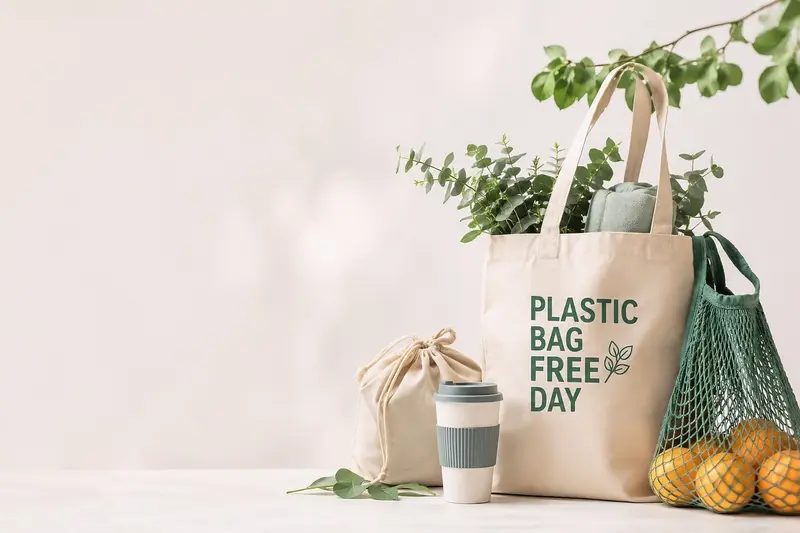
Japan's Plastic Bag Fee
Small change or real progress?
Model script
Good afternoon. I'm an exchange student from Sweden, studying environmental policy in Kyoto. Today, I'd like to look at a small policy that changed daily life in Japan: the plastic bag fee. Was it real progress, or just a small change?
Your recording
Say this slide out loud, then listen to yourself.
Recordings stay on this device and disappear when you leave the page.
Useful phrases
changed daily life
Made everyday life different.
just a small change
Only a minor difference.
Full script
Read the whole talk.
All slides in one place. Read it through once, then practice slide by slide.
01Japan's Plastic Bag Fee
Good afternoon. I'm an exchange student from Sweden, studying environmental policy in Kyoto. Today, I'd like to look at a small policy that changed daily life in Japan: the plastic bag fee. Was it real progress, or just a small change?
こんにちは。私はスウェーデンからの交換留学生で、京都で環境政策を学んでいます。今日は、日本の毎日の生活を変えた小さな政策、レジ袋の有料化を見ていきたいと思います。それは本当の前進だったのでしょうか、それともちょっとした変化にすぎなかったのでしょうか?
02What Happened
From July 1, 2020, all retailers in Japan had to start charging for plastic shopping bags. The government didn't set one price. Each shop decides how much to charge.
2020年7月1日から、日本のすべての小売店で、プラスチックのレジ袋を有料にすることが義務になりました。政府は値段を一つに決めたわけではありません。いくらにするかは、お店ごとに決めます。
Source: Ministry of Economy, Trade and Industry (METI), Japan: "プラスチック製買物袋有料化 2020年7月1日スタート"
03Why Japan Did It
According to the government, the goal was to make people rethink their use of plastic, because of problems like ocean waste and climate change. The bag itself was a starting point for changing habits.
政府によると、その目的は、海のごみや気候変動などの問題を理由に、人々にプラスチックの使い方を見直してもらうことでした。レジ袋そのものは、習慣を変えるための出発点だったのです。
Source: Ministry of Economy, Trade and Industry (METI), Japan: "プラスチック製買物袋有料化 2020年7月1日スタート"
04For: It Changed Behavior
Supporters say the fee worked as a daily reminder. In my host family, everyone now carries an eco-bag. Every time a cashier asks, "Do you need a bag?", people think about plastic for a second.
賛成する人は、有料化が毎日のきっかけとして役に立ったと言います。私のホストファミリーでは、今では全員がエコバッグを持ち歩いています。レジの人に「袋はご入用ですか?」と聞かれるたびに、人々は一瞬プラスチックのことを考えるのです。
05Against: Bags Are a Tiny Part of the Problem
Critics, however, argue that shopping bags are only a small part of plastic waste. In many stores, snacks are still individually wrapped in plastic. They worry the fee lets people feel good without solving the bigger problem.
でも、反対する人は、レジ袋はプラスチックごみのほんの一部にすぎないと主張します。多くのお店では、お菓子が今でも一つずつプラスチックで包まれています。有料化は、もっと大きな問題を解決しないまま、人々にいいことをした気分にさせるだけではないか、と心配しているのです。
06Against: Hidden Side Effects
Critics also point to side effects. They say some people used to reuse shopping bags for their trash, and now buy plastic trash bags instead. Also, thicker bags that can be reused many times are not covered by the rule.
反対する人は、思わぬ影響も指摘しています。以前はレジ袋をごみ袋として使い回していた人が、今はプラスチックのごみ袋を買っている、と言うのです。それに、何度も使える厚い袋は、このルールの対象外です。
Source: Ministry of Economy, Trade and Industry (METI), Japan: "プラスチック製買物袋有料化 2020年7月1日スタート" (exemptions)
07My View
In my view, both sides are right. The fee didn't solve plastic waste, and it was never going to. But it changed habits and started a national conversation. The next step should be reducing plastic packaging, which is much harder.
私の考えでは、どちらの言い分も正しいです。有料化でプラスチックごみの問題が解決したわけではありませんし、もともとそれは無理でした。でも、習慣を変え、国じゅうで話し合うきっかけになりました。次の段階は、ずっと難しいことですが、プラスチックの包装を減らすことであるべきです。
08Conclusion
To conclude, Japan's bag fee is a small policy with a big message. It's not the end of the plastic story, but it may be an important beginning. Thank you.
まとめると、日本のレジ袋の有料化は、大きなメッセージを持った小さな政策です。プラスチックの話の終わりではありませんが、大切な始まりなのかもしれません。ありがとうございました。
Cover photo by Arhazel on Pixabay