Japan's Plastic Bag Fee: Small Change or Real Progress?
AdvancedSociety & Environment英文簡報的示範講稿與中文翻譯。每一頁都可以聽示範、開口練習。
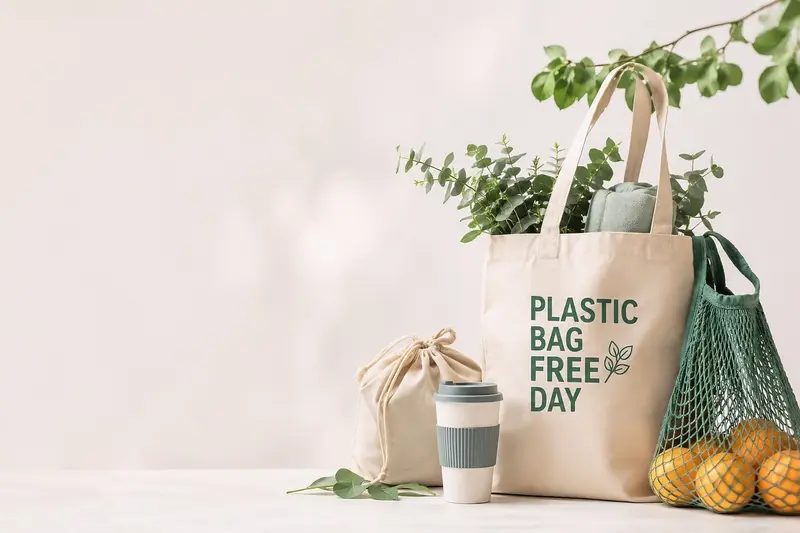
Japan's Plastic Bag Fee
Small change or real progress?
Model script
Good afternoon. I'm an exchange student from Sweden, studying environmental policy in Kyoto. Today, I'd like to look at a small policy that changed daily life in Japan: the plastic bag fee. Was it real progress, or just a small change?
Your recording
Say this slide out loud, then listen to yourself.
Recordings stay on this device and disappear when you leave the page.
Useful phrases
changed daily life
Made everyday life different.
just a small change
Only a minor difference.
Full script
Read the whole talk.
All slides in one place. Read it through once, then practice slide by slide.
01Japan's Plastic Bag Fee
Good afternoon. I'm an exchange student from Sweden, studying environmental policy in Kyoto. Today, I'd like to look at a small policy that changed daily life in Japan: the plastic bag fee. Was it real progress, or just a small change?
午安。我是來自瑞典的交換生,在京都學習環境政策。今天,我想來看看一項改變了日本日常生活的小政策:塑膠袋收費。它是真正的進步,還是隻是一個小小的變化?
02What Happened
From July 1, 2020, all retailers in Japan had to start charging for plastic shopping bags. The government didn't set one price. Each shop decides how much to charge.
從2020年7月1日起,日本所有零售商都必須開始對塑膠購物袋收費。政府並沒有規定統一的價格,收多少錢由每家店自己決定。
Source: Ministry of Economy, Trade and Industry (METI), Japan: "プラスチック製買物袋有料化 2020年7月1日スタート"
03Why Japan Did It
According to the government, the goal was to make people rethink their use of plastic, because of problems like ocean waste and climate change. The bag itself was a starting point for changing habits.
據政府介紹,這項政策的目的是讓人們重新審視自己對塑膠的使用,因為存在海洋垃圾和氣候變化等問題。袋子本身只是改變習慣的一個起點。
Source: Ministry of Economy, Trade and Industry (METI), Japan: "プラスチック製買物袋有料化 2020年7月1日スタート"
04For: It Changed Behavior
Supporters say the fee worked as a daily reminder. In my host family, everyone now carries an eco-bag. Every time a cashier asks, "Do you need a bag?", people think about plastic for a second.
支持者認為,收費起到了每天提醒的作用。在我的寄宿家庭裡,現在每個人都隨身帶著環保袋。每次收銀員問「您需要袋子嗎?」的時候,人們都會想一下塑膠的問題。
05Against: Bags Are a Tiny Part of the Problem
Critics, however, argue that shopping bags are only a small part of plastic waste. In many stores, snacks are still individually wrapped in plastic. They worry the fee lets people feel good without solving the bigger problem.
然而,批評者認為,購物袋只佔塑膠垃圾的一小部分。在很多商店裡,零食仍然是用塑膠一個個單獨包裝的。他們擔心,收費只是讓人們自我感覺良好,卻沒有解決更大的問題。
06Against: Hidden Side Effects
Critics also point to side effects. They say some people used to reuse shopping bags for their trash, and now buy plastic trash bags instead. Also, thicker bags that can be reused many times are not covered by the rule.
批評者還指出了一些副作用。他們說,有些人以前會把購物袋拿來裝垃圾,現在卻改買塑膠垃圾袋。此外,可以反覆使用很多次的厚塑膠袋並不在這項規定的範圍內。
Source: Ministry of Economy, Trade and Industry (METI), Japan: "プラスチック製買物袋有料化 2020年7月1日スタート" (exemptions)
07My View
In my view, both sides are right. The fee didn't solve plastic waste, and it was never going to. But it changed habits and started a national conversation. The next step should be reducing plastic packaging, which is much harder.
在我看來,雙方都有道理。收費並沒有解決塑膠垃圾問題,它本來也不可能做到。但它改變了人們的習慣,並在全國範圍內引發了討論。下一步應該是減少塑膠包裝,而這要難得多。
08Conclusion
To conclude, Japan's bag fee is a small policy with a big message. It's not the end of the plastic story, but it may be an important beginning. Thank you.
最後,日本的塑膠袋收費是一項傳遞了重大資訊的小政策。它不是塑膠故事的結局,但可能是一個重要的開始。謝謝大家。
Cover photo by Arhazel on Pixabay