Japan's Plastic Bag Fee: Small Change or Real Progress?
AdvancedSociety & Environment영어 프레젠테이션 모범 원고와 한국어 번역. 슬라이드마다 듣고 말하며 연습할 수 있습니다.
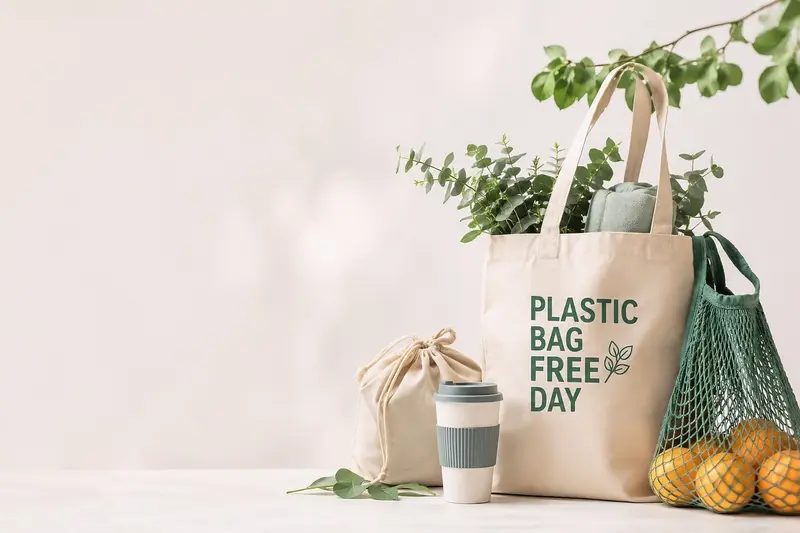
Japan's Plastic Bag Fee
Small change or real progress?
Model script
Good afternoon. I'm an exchange student from Sweden, studying environmental policy in Kyoto. Today, I'd like to look at a small policy that changed daily life in Japan: the plastic bag fee. Was it real progress, or just a small change?
Your recording
Say this slide out loud, then listen to yourself.
Recordings stay on this device and disappear when you leave the page.
Useful phrases
changed daily life
Made everyday life different.
just a small change
Only a minor difference.
Full script
Read the whole talk.
All slides in one place. Read it through once, then practice slide by slide.
01Japan's Plastic Bag Fee
Good afternoon. I'm an exchange student from Sweden, studying environmental policy in Kyoto. Today, I'd like to look at a small policy that changed daily life in Japan: the plastic bag fee. Was it real progress, or just a small change?
안녕하세요. 저는 스웨덴에서 온 교환학생으로, 교토에서 환경 정책을 공부하고 있습니다. 오늘은 일본의 일상생활을 바꾼 작은 정책 하나, 바로 비닐봉투 유료화를 살펴보고 싶습니다. 이것은 진짜 진전이었을까요, 아니면 작은 변화에 불과했을까요?
02What Happened
From July 1, 2020, all retailers in Japan had to start charging for plastic shopping bags. The government didn't set one price. Each shop decides how much to charge.
2020년 7월 1일부터 일본의 모든 소매점은 비닐 쇼핑백 값을 받기 시작해야 했습니다. 정부가 하나의 가격을 정하지는 않았습니다. 가게마다 얼마를 받을지 스스로 정합니다.
Source: Ministry of Economy, Trade and Industry (METI), Japan: "プラスチック製買物袋有料化 2020年7月1日スタート"
03Why Japan Did It
According to the government, the goal was to make people rethink their use of plastic, because of problems like ocean waste and climate change. The bag itself was a starting point for changing habits.
정부에 따르면 목표는 해양 쓰레기나 기후 변화 같은 문제 때문에, 사람들이 플라스틱 사용을 다시 생각하게 하는 것이었습니다. 봉투 자체는 습관을 바꾸기 위한 출발점이었습니다.
Source: Ministry of Economy, Trade and Industry (METI), Japan: "プラスチック製買物袋有料化 2020年7月1日スタート"
04For: It Changed Behavior
Supporters say the fee worked as a daily reminder. In my host family, everyone now carries an eco-bag. Every time a cashier asks, "Do you need a bag?", people think about plastic for a second.
찬성하는 사람들은 이 요금이 매일의 알림 역할을 했다고 말합니다. 제 홈스테이 가족은 이제 모두 장바구니를 들고 다닙니다. 계산원이 "봉투 필요하세요?"라고 물을 때마다, 사람들은 잠깐이나마 플라스틱을 생각하게 됩니다.
05Against: Bags Are a Tiny Part of the Problem
Critics, however, argue that shopping bags are only a small part of plastic waste. In many stores, snacks are still individually wrapped in plastic. They worry the fee lets people feel good without solving the bigger problem.
하지만 비판하는 사람들은 쇼핑백이 플라스틱 쓰레기의 작은 일부일 뿐이라고 주장합니다. 많은 가게에서 과자는 여전히 하나하나 플라스틱으로 포장되어 있습니다. 이 요금이 더 큰 문제는 해결하지 않은 채 사람들에게 좋은 기분만 줄까 봐 걱정합니다.
06Against: Hidden Side Effects
Critics also point to side effects. They say some people used to reuse shopping bags for their trash, and now buy plastic trash bags instead. Also, thicker bags that can be reused many times are not covered by the rule.
비판하는 사람들은 부작용도 지적합니다. 예전에는 쇼핑백을 쓰레기봉투로 다시 쓰던 사람들이, 이제는 대신 비닐 쓰레기봉투를 산다고 합니다. 또 여러 번 다시 쓸 수 있는 두꺼운 봉투는 이 규칙의 대상이 아닙니다.
Source: Ministry of Economy, Trade and Industry (METI), Japan: "プラスチック製買物袋有料化 2020年7月1日スタート" (exemptions)
07My View
In my view, both sides are right. The fee didn't solve plastic waste, and it was never going to. But it changed habits and started a national conversation. The next step should be reducing plastic packaging, which is much harder.
제 생각에는 양쪽 모두 옳습니다. 이 요금이 플라스틱 쓰레기 문제를 해결하지는 못했고, 애초에 그럴 수도 없었습니다. 하지만 습관을 바꾸고 전국적인 논의를 시작하게 했습니다. 다음 단계는 플라스틱 포장을 줄이는 것이어야 하는데, 이것은 훨씬 어렵습니다.
08Conclusion
To conclude, Japan's bag fee is a small policy with a big message. It's not the end of the plastic story, but it may be an important beginning. Thank you.
결론적으로, 일본의 비닐봉투 유료화는 큰 메시지를 담은 작은 정책입니다. 플라스틱 이야기의 끝은 아니지만, 중요한 시작일 수 있습니다. 감사합니다.
Cover photo by Arhazel on Pixabay