Japan's Plastic Bag Fee: Small Change or Real Progress?
AdvancedSociety & Environmentบทพูดตัวอย่างของพรีเซนเทชันภาษาอังกฤษพร้อมคำแปลภาษาไทย ฟังและฝึกพูดได้ทีละสไลด์
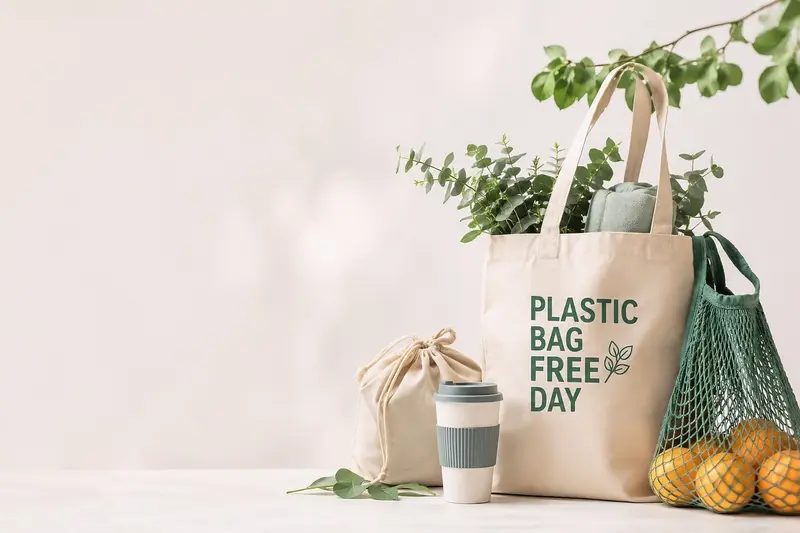
Japan's Plastic Bag Fee
Small change or real progress?
Model script
Good afternoon. I'm an exchange student from Sweden, studying environmental policy in Kyoto. Today, I'd like to look at a small policy that changed daily life in Japan: the plastic bag fee. Was it real progress, or just a small change?
Your recording
Say this slide out loud, then listen to yourself.
Recordings stay on this device and disappear when you leave the page.
Useful phrases
changed daily life
Made everyday life different.
just a small change
Only a minor difference.
Full script
Read the whole talk.
All slides in one place. Read it through once, then practice slide by slide.
01Japan's Plastic Bag Fee
Good afternoon. I'm an exchange student from Sweden, studying environmental policy in Kyoto. Today, I'd like to look at a small policy that changed daily life in Japan: the plastic bag fee. Was it real progress, or just a small change?
สวัสดีตอนบ่าย ฉันเป็นนักศึกษาแลกเปลี่ยนจากสวีเดน กำลังเรียนนโยบายสิ่งแวดล้อมอยู่ที่เกียวโต วันนี้ฉันอยากพูดถึงนโยบายเล็ก ๆ ที่เปลี่ยนชีวิตประจำวันในญี่ปุ่น นั่นคือการเก็บเงินค่าถุงพลาสติก มันเป็นความก้าวหน้าจริง ๆ หรือแค่การเปลี่ยนแปลงเล็ก ๆ
02What Happened
From July 1, 2020, all retailers in Japan had to start charging for plastic shopping bags. The government didn't set one price. Each shop decides how much to charge.
ตั้งแต่วันที่ 1 กรกฎาคม 2020 ร้านค้าปลีกทุกแห่งในญี่ปุ่นต้องเริ่มเก็บเงินค่าถุงพลาสติก รัฐบาลไม่ได้กำหนดราคาเดียว แต่ละร้านตัดสินใจเองว่าจะเก็บเท่าไร
Source: Ministry of Economy, Trade and Industry (METI), Japan: "プラスチック製買物袋有料化 2020年7月1日スタート"
03Why Japan Did It
According to the government, the goal was to make people rethink their use of plastic, because of problems like ocean waste and climate change. The bag itself was a starting point for changing habits.
ตามที่รัฐบาลระบุ เป้าหมายคือทำให้ผู้คนทบทวนการใช้พลาสติก เพราะปัญหาอย่างขยะในทะเลและการเปลี่ยนแปลงสภาพภูมิอากาศ ตัวถุงเองเป็นจุดเริ่มต้นของการเปลี่ยนนิสัย
Source: Ministry of Economy, Trade and Industry (METI), Japan: "プラスチック製買物袋有料化 2020年7月1日スタート"
04For: It Changed Behavior
Supporters say the fee worked as a daily reminder. In my host family, everyone now carries an eco-bag. Every time a cashier asks, "Do you need a bag?", people think about plastic for a second.
ฝ่ายสนับสนุนบอกว่าค่าธรรมเนียมนี้ได้ผลในฐานะเครื่องเตือนใจในชีวิตประจำวัน ในครอบครัวโฮสต์ของฉัน ตอนนี้ทุกคนพกถุงผ้า ทุกครั้งที่แคชเชียร์ถามว่า "รับถุงไหม" ผู้คนก็จะได้คิดถึงพลาสติกสักวินาทีหนึ่ง
05Against: Bags Are a Tiny Part of the Problem
Critics, however, argue that shopping bags are only a small part of plastic waste. In many stores, snacks are still individually wrapped in plastic. They worry the fee lets people feel good without solving the bigger problem.
อย่างไรก็ตาม ฝ่ายวิจารณ์แย้งว่าถุงช็อปปิงเป็นเพียงส่วนเล็ก ๆ ของขยะพลาสติก ในหลายร้าน ขนมยังห่อพลาสติกแยกชิ้นอยู่ พวกเขากังวลว่าค่าธรรมเนียมนี้ทำให้ผู้คนรู้สึกดี โดยไม่ได้แก้ปัญหาที่ใหญ่กว่า
06Against: Hidden Side Effects
Critics also point to side effects. They say some people used to reuse shopping bags for their trash, and now buy plastic trash bags instead. Also, thicker bags that can be reused many times are not covered by the rule.
ฝ่ายวิจารณ์ยังชี้ถึงผลข้างเคียง พวกเขาบอกว่าบางคนเคยนำถุงช็อปปิงกลับมาใช้ใส่ขยะ แต่ตอนนี้ต้องซื้อถุงขยะพลาสติกแทน นอกจากนี้ ถุงที่หนากว่าซึ่งใช้ซ้ำได้หลายครั้งก็ไม่อยู่ในกฎนี้
Source: Ministry of Economy, Trade and Industry (METI), Japan: "プラスチック製買物袋有料化 2020年7月1日スタート" (exemptions)
07My View
In my view, both sides are right. The fee didn't solve plastic waste, and it was never going to. But it changed habits and started a national conversation. The next step should be reducing plastic packaging, which is much harder.
ในความเห็นของฉัน ทั้งสองฝ่ายพูดถูก ค่าธรรมเนียมนี้ไม่ได้แก้ปัญหาขยะพลาสติก และก็ไม่มีทางแก้ได้ตั้งแต่แรก แต่มันเปลี่ยนนิสัยและจุดประกายให้เกิดการพูดคุยกันทั้งประเทศ ขั้นต่อไปควรเป็นการลดบรรจุภัณฑ์พลาสติก ซึ่งยากกว่ามาก
08Conclusion
To conclude, Japan's bag fee is a small policy with a big message. It's not the end of the plastic story, but it may be an important beginning. Thank you.
โดยสรุป ค่าถุงพลาสติกของญี่ปุ่นเป็นนโยบายเล็ก ๆ ที่มีข้อความใหญ่ มันไม่ใช่ตอนจบของเรื่องพลาสติก แต่อาจเป็นจุดเริ่มต้นที่สำคัญ ขอบคุณ
Cover photo by Arhazel on Pixabay