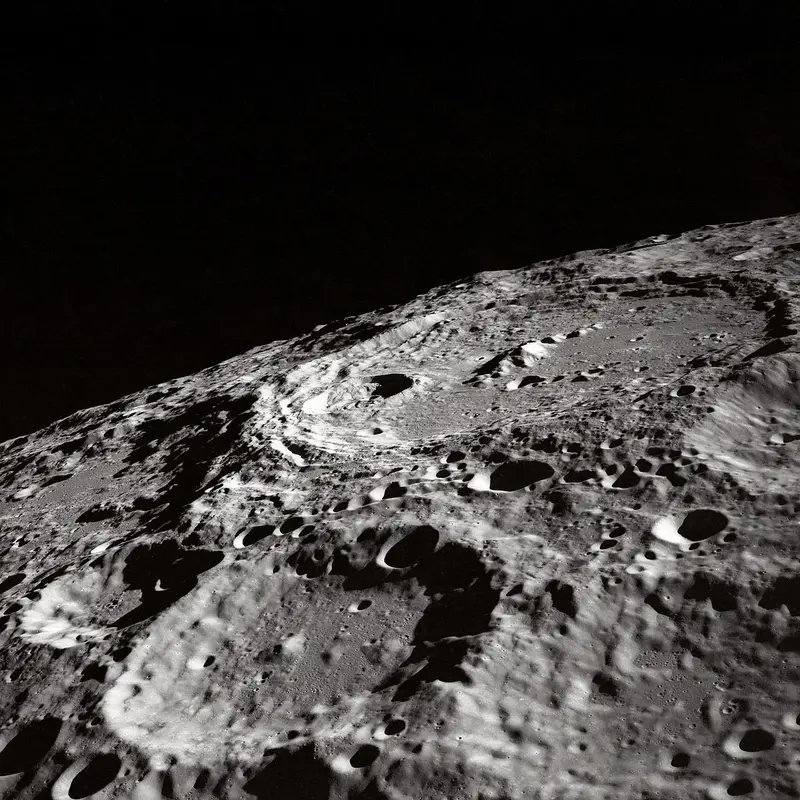
Will People Live on the Moon by 2050?
A childhood dream
1 / 8
Model script
Good afternoon. When I was a child, I had a picture book about the future. In it, families lived in glass domes on the Moon, and kids rode to school in little moon buggies. I really believed people would be living on the Moon by now. We aren't. But this year, something changed. Today, I'll ask a big question: will people live on the Moon by 2050? I'll look at the history, the reasons to go, the problems, and then give you my prediction.
Your recording
Say this slide out loud, then listen to yourself.
Recordings stay on this device and disappear when you leave the page.
Useful phrases
by now
Before this time; already.
something changed
A new thing happened.
I'll look at
I'll talk about and examine.
Words
Highlighted words are on this slide. Tap a word to look it up on Google.
Full script
Read the whole talk.
All slides in one place. Read it through once, then practice slide by slide.
01Will People Live on the Moon by 2050?
Good afternoon. When I was a child, I had a picture book about the future. In it, families lived in glass domes on the Moon, and kids rode to school in little moon buggies. I really believed people would be living on the Moon by now. We aren't. But this year, something changed. Today, I'll ask a big question: will people live on the Moon by 2050? I'll look at the history, the reasons to go, the problems, and then give you my prediction.
02From Apollo to Artemis
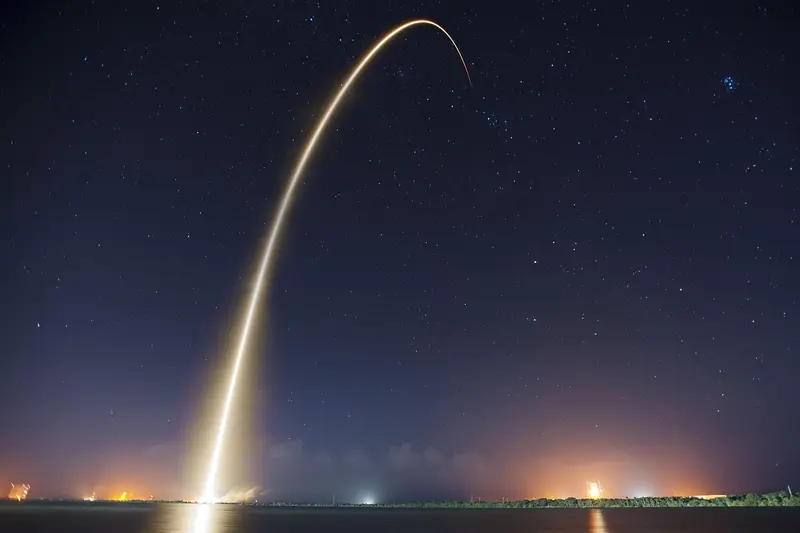
Let's look at the history. In 1969, Apollo 11 put the first people on the Moon. In 1972, Apollo 17 became the last mission to land people there. Then, for more than fifty years, no one went back. Think about that. My parents weren't even born when the last person walked on the Moon. But in April 2026, NASA's Artemis II mission launched four astronauts on a trip around the Moon. It didn't land, but it was the first step back.
Sources: NASA, "Apollo 11 Mission Overview" (July 1969); NASA, "Apollo 17 Mission Overview" (December 1972); NASA, "Artemis II" mission page (launched April 1, 2026)
03Why the South Pole?
So why go back now, and where? NASA's next mission, Artemis III, plans to land astronauts near the Moon's south pole. NASA has chosen thirteen possible landing regions there. The main reason is water. Scientists believe that deep craters near the pole, which never get sunlight, contain water ice. This matters a lot. Water could give astronauts something to drink, and it can be split into oxygen to breathe and hydrogen for rocket fuel. In other words, ice could make it possible to stay, not just visit.
Sources: NASA, "Artemis III" mission page (13 candidate landing regions near the lunar South Pole); NASA, "Water on the Moon" / lunar South Pole science (water ice in permanently shadowed regions)
04Why It's Still So Hard
But living there is a different story. There is no air to breathe. There is no thick atmosphere to protect people from dangerous radiation from space. Some parts of the Moon get extremely hot in the sun, and the dark craters are among the coldest places we know of. And sending anything to the Moon costs a huge amount of money. On Earth, if you forget something, you go to a store. On the Moon, every cup of water and every spare part is a challenge.
Source: NASA, Lunar Reconnaissance Orbiter (Diviner instrument): temperature measurements of permanently shadowed craters near the lunar poles
05My Prediction: Bases, Not Towns
So here's my prediction, and this part is my opinion. By 2050, I think there will be people on the Moon, but not in towns. There will be small research bases near the south pole, close to the ice. A few people will stay for some months at a time, do their work, and then come home. It won't look like my picture book. It will look more like a camp than a city.
06Like a Research Station
I imagine it will be like a research station in Antarctica. Scientists and engineers live there for a few months, do their work, and go home. Most food and supplies come from far away. It's a hard place to live, but people go because the science is important. A Moon base will probably work the same way. Tourists might visit for a short time if they're very rich, but nobody will raise a family there yet.
07Would I Go?
Would I go? Part of me says yes. Imagine looking up and seeing the Earth in the sky! From the Moon, the Earth would hang in the black sky like a blue marble. But another part of me says no. I would miss my family, fresh air, and the simple pleasure of walking outside without a spacesuit. Maybe I'd go for a short visit, but not to live. What about you? Would you go?
08Visiting, Yes. Living, Not Yet.
To conclude, after more than fifty years, people are finally going back to the Moon, and the ice at the south pole gives us a real reason to stay longer. By 2050, I believe there will be small bases where people work for a while. But living there, with homes and families? Not yet. Maybe that's a question for 2100. Thank you, and I'd be glad to hear your questions.
Sources: NASA, "Artemis II" mission page (launched April 1, 2026); NASA, "Artemis III" mission page (13 candidate landing regions near the lunar South Pole)
More Science & Technology presentations
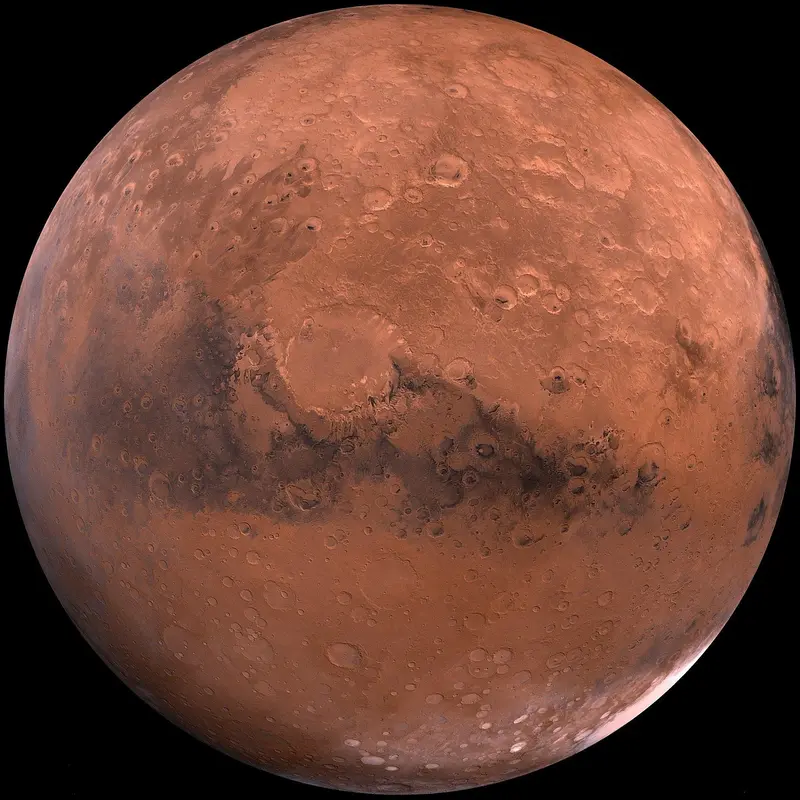




Cover photo by WikiImages on Pixabay
Slide photos by Michelle-Maria, WikiImages on Pixabay