英语演讲的示范讲稿与中文翻译。每一页都可以听示范、开口练习。
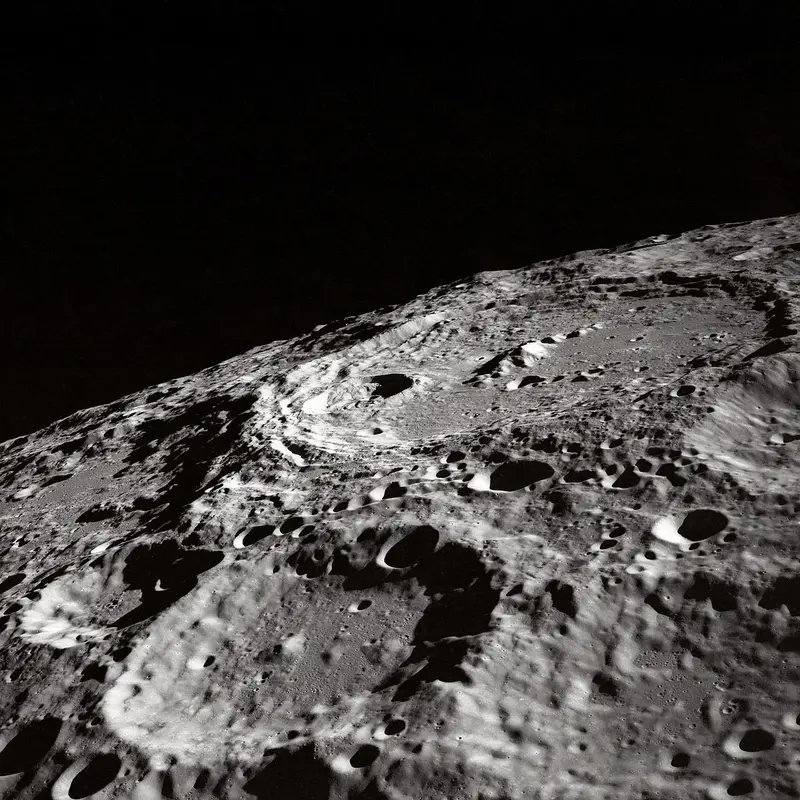
Will People Live on the Moon by 2050?
A childhood dream
1 / 8
Model script
Good afternoon. When I was a child, I had a picture book about the future. In it, families lived in glass domes on the Moon, and kids rode to school in little moon buggies. I really believed people would be living on the Moon by now. We aren't. But this year, something changed. Today, I'll ask a big question: will people live on the Moon by 2050? I'll look at the history, the reasons to go, the problems, and then give you my prediction.
Your recording
Say this slide out loud, then listen to yourself.
Recordings stay on this device and disappear when you leave the page.
Useful phrases
by now
Before this time; already.
something changed
A new thing happened.
I'll look at
I'll talk about and examine.
Words
Highlighted words are on this slide. Tap a word to look it up on Google.
Full script
Read the whole talk.
All slides in one place. Read it through once, then practice slide by slide.
01Will People Live on the Moon by 2050?
Good afternoon. When I was a child, I had a picture book about the future. In it, families lived in glass domes on the Moon, and kids rode to school in little moon buggies. I really believed people would be living on the Moon by now. We aren't. But this year, something changed. Today, I'll ask a big question: will people live on the Moon by 2050? I'll look at the history, the reasons to go, the problems, and then give you my prediction.
下午好。我小时候有一本关于未来的绘本。书里,一家人住在月球上的玻璃圆顶屋里,孩子们坐着小小的月球车去上学。我真的相信,到现在人们早就住在月球上了。可是并没有。不过今年,情况发生了变化。今天,我想问一个大问题:到2050年,人类会住在月球上吗?我会讲讲历史、去月球的理由、面临的问题,然后告诉大家我的预测。
02From Apollo to Artemis
Let's look at the history. In 1969, Apollo 11 put the first people on the Moon. In 1972, Apollo 17 became the last mission to land people there. Then, for more than fifty years, no one went back. Think about that. My parents weren't even born when the last person walked on the Moon. But in April 2026, NASA's Artemis II mission launched four astronauts on a trip around the Moon. It didn't land, but it was the first step back.
我们先来看看历史。1969年,阿波罗11号把第一批人类送上了月球。1972年,阿波罗17号成为最后一次载人登月的任务。之后的五十多年里,再也没有人回去过。想想看,最后一个人在月球上行走的时候,我的父母都还没出生。但在2026年4月,美国国家航空航天局的阿尔忒弥斯2号任务发射,把四名宇航员送上了绕月飞行的旅程。它没有着陆,但这是重返月球的第一步。
Sources: NASA, "Apollo 11 Mission Overview" (July 1969); NASA, "Apollo 17 Mission Overview" (December 1972); NASA, "Artemis II" mission page (launched April 1, 2026)
03Why the South Pole?
So why go back now, and where? NASA's next mission, Artemis III, plans to land astronauts near the Moon's south pole. NASA has chosen thirteen possible landing regions there. The main reason is water. Scientists believe that deep craters near the pole, which never get sunlight, contain water ice. This matters a lot. Water could give astronauts something to drink, and it can be split into oxygen to breathe and hydrogen for rocket fuel. In other words, ice could make it possible to stay, not just visit.
那么,为什么现在要回去,又要去哪里呢?美国国家航空航天局的下一个任务阿尔忒弥斯3号,计划让宇航员在月球南极附近着陆。美国国家航空航天局已经在那里选出了十三个可能的着陆区域。主要原因是水。科学家认为,南极附近那些永远照不到阳光的深坑里有水冰。这一点非常重要。水可以给宇航员喝,还可以分解成供呼吸的氧气和用作火箭燃料的氢气。换句话说,冰可能让人们不只是去看看,而是能留下来。
Sources: NASA, "Artemis III" mission page (13 candidate landing regions near the lunar South Pole); NASA, "Water on the Moon" / lunar South Pole science (water ice in permanently shadowed regions)
04Why It's Still So Hard
But living there is a different story. There is no air to breathe. There is no thick atmosphere to protect people from dangerous radiation from space. Some parts of the Moon get extremely hot in the sun, and the dark craters are among the coldest places we know of. And sending anything to the Moon costs a huge amount of money. On Earth, if you forget something, you go to a store. On the Moon, every cup of water and every spare part is a challenge.
但在那里生活就是另一回事了。那里没有可以呼吸的空气。也没有厚厚的大气层来保护人们免受来自太空的危险辐射。月球上有些地方在阳光下会变得极热,而那些黑暗的陨石坑则是我们已知最冷的地方之一。而且,把任何东西送上月球都要花一大笔钱。在地球上,如果忘了带什么,去商店买就行。在月球上,每一杯水、每一个备用零件都是挑战。
Source: NASA, Lunar Reconnaissance Orbiter (Diviner instrument): temperature measurements of permanently shadowed craters near the lunar poles
05My Prediction: Bases, Not Towns
So here's my prediction, and this part is my opinion. By 2050, I think there will be people on the Moon, but not in towns. There will be small research bases near the south pole, close to the ice. A few people will stay for some months at a time, do their work, and then come home. It won't look like my picture book. It will look more like a camp than a city.
所以,这是我的预测,这一部分是我的个人看法。我认为到2050年,月球上会有人,但不会有城镇。在南极附近、靠近冰的地方,会有一些小型的科研基地。少数人每次会待几个月,完成工作后再回家。它不会像我的绘本里那样。它会更像一个营地,而不是一座城市。
06Like a Research Station
I imagine it will be like a research station in Antarctica. Scientists and engineers live there for a few months, do their work, and go home. Most food and supplies come from far away. It's a hard place to live, but people go because the science is important. A Moon base will probably work the same way. Tourists might visit for a short time if they're very rich, but nobody will raise a family there yet.
我想象它会像南极洲的科考站。科学家和工程师在那里住几个月,完成工作后就回家。大部分食物和物资都要从很远的地方运来。那是一个很难生活的地方,但人们还是会去,因为科学研究很重要。月球基地大概也会这样运作。也许非常有钱的游客会去短暂参观,但还不会有人在那里养育家庭。
07Would I Go?
Would I go? Part of me says yes. Imagine looking up and seeing the Earth in the sky! From the Moon, the Earth would hang in the black sky like a blue marble. But another part of me says no. I would miss my family, fresh air, and the simple pleasure of walking outside without a spacesuit. Maybe I'd go for a short visit, but not to live. What about you? Would you go?
我会去吗?我心里有一部分说会。想象一下,抬头就能看到天空中的地球!从月球上看,地球会像一颗蓝色的弹珠挂在黑色的天空中。但我心里的另一部分说不会。我会想念家人、新鲜的空气,还有不穿宇航服就能在外面散步的那种简单的快乐。也许我会去短暂参观一下,但不会去那里生活。那你们呢?你们会去吗?
08Visiting, Yes. Living, Not Yet.
To conclude, after more than fifty years, people are finally going back to the Moon, and the ice at the south pole gives us a real reason to stay longer. By 2050, I believe there will be small bases where people work for a while. But living there, with homes and families? Not yet. Maybe that's a question for 2100. Thank you, and I'd be glad to hear your questions.
总结一下,五十多年后,人类终于要重返月球了,而南极的冰给了我们一个可以待得更久的真正理由。我相信到2050年,会有一些小型基地,让人们在那里工作一段时间。但是在那里安家、养育家庭呢?还没到时候。也许那是2100年的问题了。谢谢大家,很乐意回答你们的问题。
Sources: NASA, "Artemis II" mission page (launched April 1, 2026); NASA, "Artemis III" mission page (13 candidate landing regions near the lunar South Pole)
More Science & Technology presentations




Cover photo by WikiImages on Pixabay
Slide photos by Michelle-Maria, WikiImages on Pixabay