英語プレゼンのお手本の原稿と日本語訳。スライドごとに、聞いて・話して練習できます。
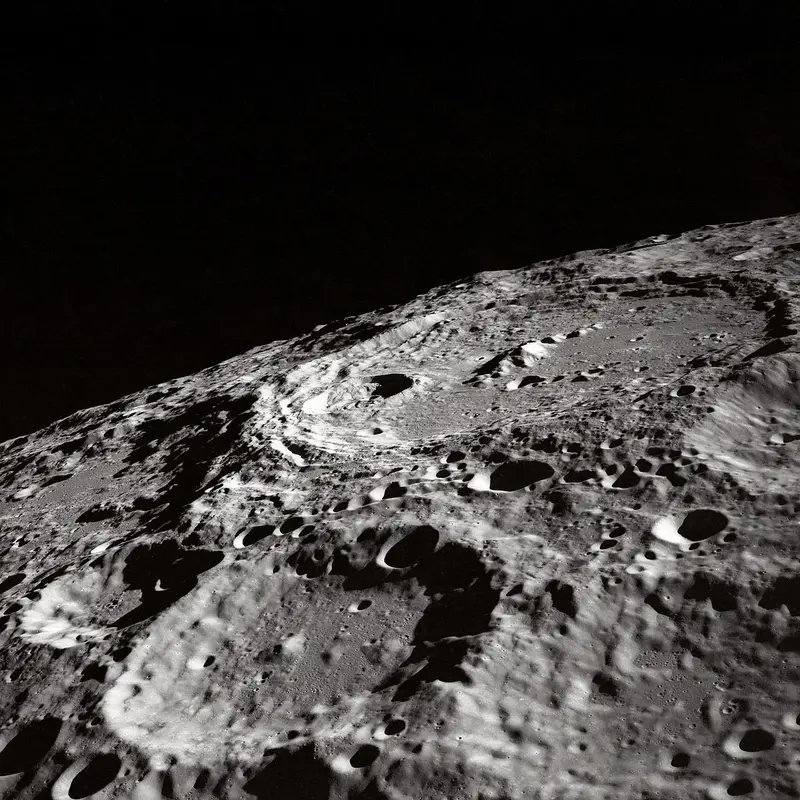
Will People Live on the Moon by 2050?
A childhood dream
1 / 8
Model script
Good afternoon. When I was a child, I had a picture book about the future. In it, families lived in glass domes on the Moon, and kids rode to school in little moon buggies. I really believed people would be living on the Moon by now. We aren't. But this year, something changed. Today, I'll ask a big question: will people live on the Moon by 2050? I'll look at the history, the reasons to go, the problems, and then give you my prediction.
Your recording
Say this slide out loud, then listen to yourself.
Recordings stay on this device and disappear when you leave the page.
Useful phrases
by now
Before this time; already.
something changed
A new thing happened.
I'll look at
I'll talk about and examine.
Words
Highlighted words are on this slide. Tap a word to look it up on Google.
Full script
Read the whole talk.
All slides in one place. Read it through once, then practice slide by slide.
01Will People Live on the Moon by 2050?
Good afternoon. When I was a child, I had a picture book about the future. In it, families lived in glass domes on the Moon, and kids rode to school in little moon buggies. I really believed people would be living on the Moon by now. We aren't. But this year, something changed. Today, I'll ask a big question: will people live on the Moon by 2050? I'll look at the history, the reasons to go, the problems, and then give you my prediction.
こんにちは。子どものころ、未来についての絵本を持っていました。その中では、家族が月のガラスのドームに住み、子どもたちは小さな月面車で学校に通っていました。今ごろには人が月に住んでいるだろうと、本気で信じていました。でも、住んでいません。ただ、今年、あることが変わりました。今日は大きな問いを考えます。2050年までに、人は月に住んでいるでしょうか?歴史、行く理由、問題点を見てから、私の予測をお話しします。
02From Apollo to Artemis
Let's look at the history. In 1969, Apollo 11 put the first people on the Moon. In 1972, Apollo 17 became the last mission to land people there. Then, for more than fifty years, no one went back. Think about that. My parents weren't even born when the last person walked on the Moon. But in April 2026, NASA's Artemis II mission launched four astronauts on a trip around the Moon. It didn't land, but it was the first step back.
歴史を見てみましょう。1969年、アポロ11号で初めて人が月に降り立ちました。1972年、アポロ17号が、人を月に着陸させた最後のミッションになりました。それから50年以上、だれも月に戻りませんでした。考えてみてください。最後の人が月を歩いたとき、私の両親はまだ生まれてもいませんでした。でも2026年4月、NASAのアルテミス2号が、4人の宇宙飛行士を乗せて月を回る旅に出発しました。着陸はしませんでしたが、月に戻るための最初の一歩でした。
Sources: NASA, "Apollo 11 Mission Overview" (July 1969); NASA, "Apollo 17 Mission Overview" (December 1972); NASA, "Artemis II" mission page (launched April 1, 2026)
03Why the South Pole?
So why go back now, and where? NASA's next mission, Artemis III, plans to land astronauts near the Moon's south pole. NASA has chosen thirteen possible landing regions there. The main reason is water. Scientists believe that deep craters near the pole, which never get sunlight, contain water ice. This matters a lot. Water could give astronauts something to drink, and it can be split into oxygen to breathe and hydrogen for rocket fuel. In other words, ice could make it possible to stay, not just visit.
では、なぜ今、どこへ戻るのでしょうか。NASAの次のミッションであるアルテミス3号は、月の南極の近くに宇宙飛行士を着陸させる計画です。NASAはそこに、13の着陸候補の地域を選んでいます。いちばんの理由は水です。科学者は、太陽の光がまったく当たらない南極近くの深いクレーターに、水の氷があると考えています。これはとても大事なことです。水は宇宙飛行士の飲み水になりますし、分ければ、吸うための酸素と、ロケットの燃料になる水素にもなります。つまり、氷があれば、訪れるだけでなく、とどまることができるかもしれないのです。
Sources: NASA, "Artemis III" mission page (13 candidate landing regions near the lunar South Pole); NASA, "Water on the Moon" / lunar South Pole science (water ice in permanently shadowed regions)
04Why It's Still So Hard
But living there is a different story. There is no air to breathe. There is no thick atmosphere to protect people from dangerous radiation from space. Some parts of the Moon get extremely hot in the sun, and the dark craters are among the coldest places we know of. And sending anything to the Moon costs a huge amount of money. On Earth, if you forget something, you go to a store. On the Moon, every cup of water and every spare part is a challenge.
でも、月で暮らすとなると話は別です。吸える空気がありません。宇宙からの危険な放射線から人を守る、厚い大気もありません。月には、日なたでとても暑くなる場所がある一方で、暗いクレーターは私たちが知る中でも最も寒い場所の一つです。そして、月に何かを送るには、ばく大なお金がかかります。地球なら、忘れ物をしたらお店に行けばいい。でも月では、コップ1杯の水も、予備の部品1つも、大変なことなのです。
Source: NASA, Lunar Reconnaissance Orbiter (Diviner instrument): temperature measurements of permanently shadowed craters near the lunar poles
05My Prediction: Bases, Not Towns
So here's my prediction, and this part is my opinion. By 2050, I think there will be people on the Moon, but not in towns. There will be small research bases near the south pole, close to the ice. A few people will stay for some months at a time, do their work, and then come home. It won't look like my picture book. It will look more like a camp than a city.
そこで、私の予測です。ここからは私の意見です。2050年までに、月に人はいると思います。でも、町に住んでいるわけではありません。南極の近く、氷のそばに小さな研究基地があり、数人が一度に何か月か滞在して、仕事をして、地球に帰ってくる、という形でしょう。私の絵本のようにはなりません。都市というより、キャンプに近いものになるでしょう。
06Like a Research Station
I imagine it will be like a research station in Antarctica. Scientists and engineers live there for a few months, do their work, and go home. Most food and supplies come from far away. It's a hard place to live, but people go because the science is important. A Moon base will probably work the same way. Tourists might visit for a short time if they're very rich, but nobody will raise a family there yet.
南極の研究基地のようなものになると想像しています。科学者や技術者が数か月そこで暮らして、仕事をして、帰っていきます。食べ物や必要な物のほとんどは、遠くから届きます。暮らすのは大変な場所ですが、科学が大切だから人は行くのです。月の基地も、たぶん同じような形になるでしょう。とてもお金持ちの旅行者なら少しのあいだ訪れるかもしれませんが、そこで家族と暮らして子どもを育てる人は、まだいないでしょう。
07Would I Go?
Would I go? Part of me says yes. Imagine looking up and seeing the Earth in the sky! From the Moon, the Earth would hang in the black sky like a blue marble. But another part of me says no. I would miss my family, fresh air, and the simple pleasure of walking outside without a spacesuit. Maybe I'd go for a short visit, but not to live. What about you? Would you go?
私なら行くでしょうか。心のどこかでは「行きたい」と思います。空を見上げて地球が見えるなんて、想像してみてください!月からは、地球が黒い空に青いビー玉のように浮かんで見えるでしょう。でも、別の自分は「行きたくない」と言います。家族や新鮮な空気、宇宙服なしで外を歩くというささやかな楽しみが恋しくなるでしょう。短い旅行なら行くかもしれませんが、住むのは無理です。みなさんはどうですか?行きたいですか?
08Visiting, Yes. Living, Not Yet.
To conclude, after more than fifty years, people are finally going back to the Moon, and the ice at the south pole gives us a real reason to stay longer. By 2050, I believe there will be small bases where people work for a while. But living there, with homes and families? Not yet. Maybe that's a question for 2100. Thank you, and I'd be glad to hear your questions.
結論として、50年以上たって、人はついに月に戻ろうとしています。そして南極の氷は、長くとどまるための本当の理由になります。2050年までには、人がしばらく働く小さな基地ができていると信じています。でも、家や家族とともにそこに住むことは?まだです。それは2100年の問いかもしれません。ありがとうございました。ご質問があればぜひどうぞ。
Sources: NASA, "Artemis II" mission page (launched April 1, 2026); NASA, "Artemis III" mission page (13 candidate landing regions near the lunar South Pole)
More Science & Technology presentations




Cover photo by WikiImages on Pixabay
Slide photos by Michelle-Maria, WikiImages on Pixabay