Should Zoos Exist?
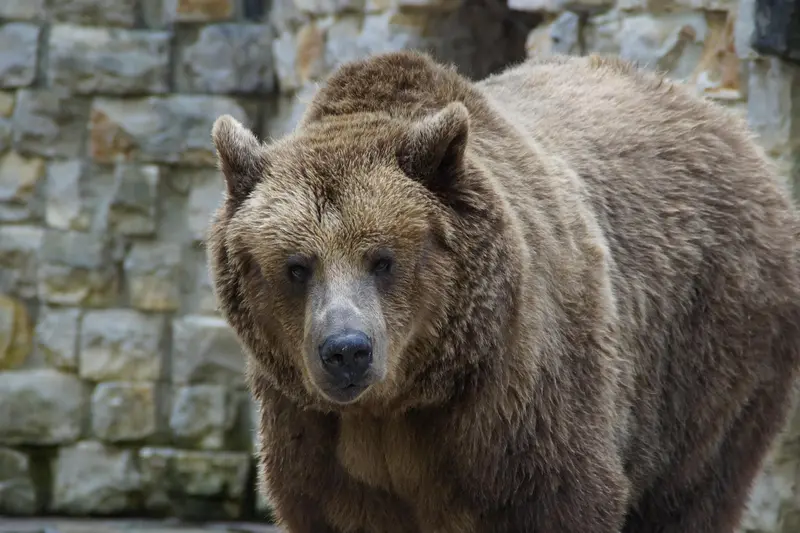
A bear walking back and forth
1 / 8
Model script
Good afternoon, everyone. A few years ago, I watched a polar bear at a zoo walk back and forth along the same wall, again and again. At the time, I thought it was just bored. Later, I learned that scientists have a name for this, and that it can be a sign of stress. So should zoos exist? My answer is that we should slowly move beyond them. Today, I'll give you three reasons, each backed by research. Then I'll answer the strongest argument for zoos, and finish with a realistic plan.
Your recording
Say this slide out loud, then listen to yourself.
Recordings stay on this device and disappear when you leave the page.
Useful phrases
back and forth
In one direction and then the other, many times.
a sign of stress
Something that shows an animal is not OK.
each backed by research
Every reason is supported by studies.
Words
- polar bear
- meat-eating
- enclosure
- median lifespan
- extinction
- oryx
- condor
- wildlife
- VR headset
- herd
- sanctuaries
- habitats
Highlighted words are on this slide. Tap a word to look it up on Google.
Full script
Read the whole talk.
All slides in one place. Read it through once, then practice slide by slide.
01Should Zoos Exist?
Good afternoon, everyone. A few years ago, I watched a polar bear at a zoo walk back and forth along the same wall, again and again. At the time, I thought it was just bored. Later, I learned that scientists have a name for this, and that it can be a sign of stress. So should zoos exist? My answer is that we should slowly move beyond them. Today, I'll give you three reasons, each backed by research. Then I'll answer the strongest argument for zoos, and finish with a realistic plan.
Source: Clubb, R. & Mason, G. (2003). "Captivity effects on wide-ranging carnivores." Nature, 425, 473–474
02Reason 1: Some Animals Need Huge Spaces
My first reason is space. In 2003, two researchers published a study in the journal Nature. They looked at meat-eating animals in zoos and compared them with how far each species travels in the wild. The result was clear. The bigger an animal's natural home range, the more it paced back and forth in zoos, and the more of its babies died. Polar bears were among the animals that had the biggest problems. In other words, for these animals, even a big zoo enclosure is far too small.
Sources: Clubb, R. & Mason, G. (2003). "Captivity effects on wide-ranging carnivores." Nature, 425, 473–474; Science News, "Zoo life problematic for wide-ranging carnivores" (October 2003)
03Reason 1: The Elephant Numbers
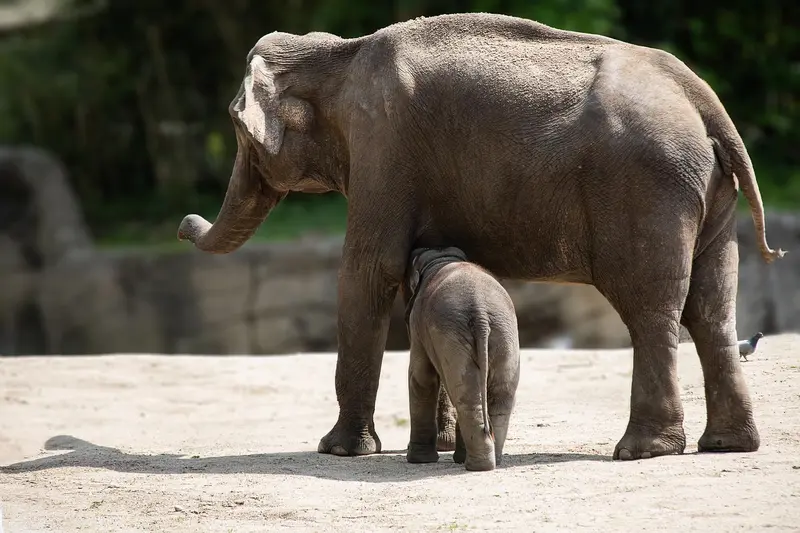
Elephants show the same problem. In 2008, a study in the journal Science looked at data on more than 4,500 elephants. It found that African elephants born in European zoos had a median lifespan of just 16.9 years. In Amboseli National Park in Kenya, elephants that died of natural causes had a median lifespan of 56 years. That means half of the zoo elephants were dead before seventeen. To be fair, zoos say conditions have improved since then. But even so, these numbers are hard to ignore.
Source: Clubb, R. et al. (2008). "Compromised survivorship in zoo elephants." Science, 322(5908), 1649 (median lifespan: 16.9 years for zoo-born African elephants in European zoos vs. 56.0 years in Amboseli National Park, Kenya)
04Reason 2: The Real Threat Is Habitat Loss
My second reason is about what really protects animals. In 2019, IPBES, a United Nations science body, published a huge global report on nature. It said that around one million species of animals and plants are threatened with extinction. And it found that the biggest direct cause is the way people change land and sea, for example by cutting down forests for farms and cities. So the main problem is not that animals lack a place in a zoo. It's that they are losing their homes in the wild.
Source: IPBES (2019). Global Assessment Report on Biodiversity and Ecosystem Services: Summary for Policymakers
05"But Zoos Saved the Oryx and the Condor"
Now, people who support zoos often say, "Zoos saved the Arabian oryx and the California condor." It's true that zoo breeding helped bring them back. I respect that work. But notice something. Those animals were saved because there was a safe place in the wild to send them back to. Breeding animals in a zoo is only half of the job. Without protected forests, deserts, and oceans, there's nowhere for them to go. That's why I believe the money should go first to protecting wild homes.
Sources: IUCN Red List, Oryx leucoryx (Arabian Oryx): reassessed as Vulnerable in 2011, after reintroductions from captive breeding; U.S. Fish and Wildlife Service, California Condor Recovery Program
06Reason 3: Better Ways to Learn
My third reason is that we have better ways to learn about animals now. Nature films can show animals hunting, traveling, and raising their babies in the wild, things you'll never see in a zoo. Responsible wildlife tours let people see animals in their real homes, and the money can support local protection. And this is my own idea, but imagine a building in the city where you put on a VR headset and walk next to a herd of elephants. It could give kids that "up close" feeling without a single cage.
07A Realistic Plan
I'm not saying we should open the gates tomorrow. That would be dangerous for the animals. Instead, here's a realistic plan. First, stop bringing in new animals that need huge spaces, like polar bears and elephants. Even the 2003 study suggested that zoos should greatly improve how they keep these animals, or slowly stop keeping them. Second, take good care of the animals already there. Third, slowly turn zoos into sanctuaries, quiet places for rescued animals that can't go back to the wild. And fourth, move more money to protecting wild habitats.
Source: Clubb, R. & Mason, G. (2003). "Captivity effects on wide-ranging carnivores." Nature, 425, 473–474
08From Zoos to Sanctuaries
To conclude, the research shows that animals that travel far suffer in zoos, and that zoo elephants have lived much shorter lives. The biggest threat to animals is losing their homes in the wild. And we have better ways to learn. So let's protect wild homes, and slowly turn zoos into sanctuaries. That polar bear deserved more than a wall. Thank you, and I'd be glad to hear your questions.
Sources: Clubb, R. & Mason, G. (2003). "Captivity effects on wide-ranging carnivores." Nature, 425, 473–474; Clubb, R. et al. (2008). "Compromised survivorship in zoo elephants." Science, 322(5908), 1649; IPBES (2019). Global Assessment Report on Biodiversity and Ecosystem Services: Summary for Policymakers
More Environment & Nature presentations

Cover photo by Efraimstochter on Pixabay
Slide photos by iribagrova8176, designerpoint on Pixabay