英語プレゼンのお手本の原稿と日本語訳。スライドごとに、聞いて・話して練習できます。
Practice the other side:Why Good Zoos Still Matter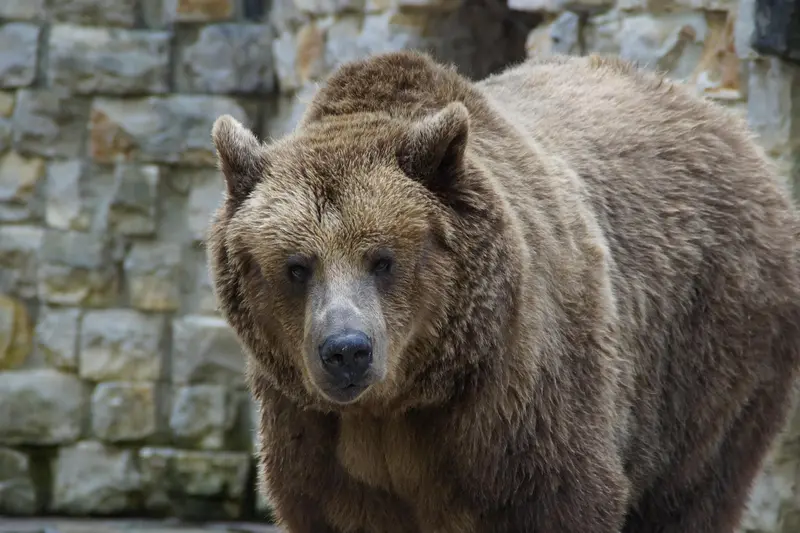
Should Zoos Exist?
A bear walking back and forth
1 / 8
Model script
Good afternoon, everyone. A few years ago, I watched a polar bear at a zoo walk back and forth along the same wall, again and again. At the time, I thought it was just bored. Later, I learned that scientists have a name for this, and that it can be a sign of stress. So should zoos exist? My answer is that we should slowly move beyond them. Today, I'll give you three reasons, each backed by research. Then I'll answer the strongest argument for zoos, and finish with a realistic plan.
Your recording
Say this slide out loud, then listen to yourself.
Recordings stay on this device and disappear when you leave the page.
Useful phrases
back and forth
In one direction and then the other, many times.
a sign of stress
Something that shows an animal is not OK.
each backed by research
Every reason is supported by studies.
Words
- polar bear
- meat-eating
- enclosure
- median lifespan
- extinction
- oryx
- condor
- wildlife
- VR headset
- herd
- sanctuaries
- habitats
Highlighted words are on this slide. Tap a word to look it up on Google.
Full script
Read the whole talk.
All slides in one place. Read it through once, then practice slide by slide.
01Should Zoos Exist?
Good afternoon, everyone. A few years ago, I watched a polar bear at a zoo walk back and forth along the same wall, again and again. At the time, I thought it was just bored. Later, I learned that scientists have a name for this, and that it can be a sign of stress. So should zoos exist? My answer is that we should slowly move beyond them. Today, I'll give you three reasons, each backed by research. Then I'll answer the strongest argument for zoos, and finish with a realistic plan.
みなさん、こんにちは。数年前、ある動物園で、ホッキョクグマが同じ壁に沿って何度も何度も行ったり来たりしているのを見ました。そのときは、ただ退屈しているだけだと思っていました。あとになって、科学者がこの行動に名前を付けていて、ストレスのサインになりうると知りました。では、動物園はあるべきでしょうか。私の答えは、少しずつ動物園から卒業していくべきだ、というものです。今日は、それぞれ研究に裏付けられた3つの理由をお話しします。そのあと、動物園に賛成するいちばん強い意見に答え、最後に現実的な計画を提案します。
Source: Clubb, R. & Mason, G. (2003). "Captivity effects on wide-ranging carnivores." Nature, 425, 473–474
02Reason 1: Some Animals Need Huge Spaces
My first reason is space. In 2003, two researchers published a study in the journal Nature. They looked at meat-eating animals in zoos and compared them with how far each species travels in the wild. The result was clear. The bigger an animal's natural home range, the more it paced back and forth in zoos, and the more of its babies died. Polar bears were among the animals that had the biggest problems. In other words, for these animals, even a big zoo enclosure is far too small.
1つ目の理由は、広さです。2003年、2人の研究者が科学誌「ネイチャー」に研究を発表しました。動物園の肉食動物を調べ、それぞれの種が野生でどれくらいの距離を移動するかと比べたのです。結果ははっきりしていました。野生での行動範囲が広い動物ほど、動物園で行ったり来たりすることが多く、赤ちゃんが死ぬ割合も高かったのです。ホッキョクグマは、いちばん問題が大きかった動物の一つでした。つまり、こうした動物にとっては、動物園の広い囲いでさえ、まったく足りないのです。
Sources: Clubb, R. & Mason, G. (2003). "Captivity effects on wide-ranging carnivores." Nature, 425, 473–474; Science News, "Zoo life problematic for wide-ranging carnivores" (October 2003)
03Reason 1: The Elephant Numbers
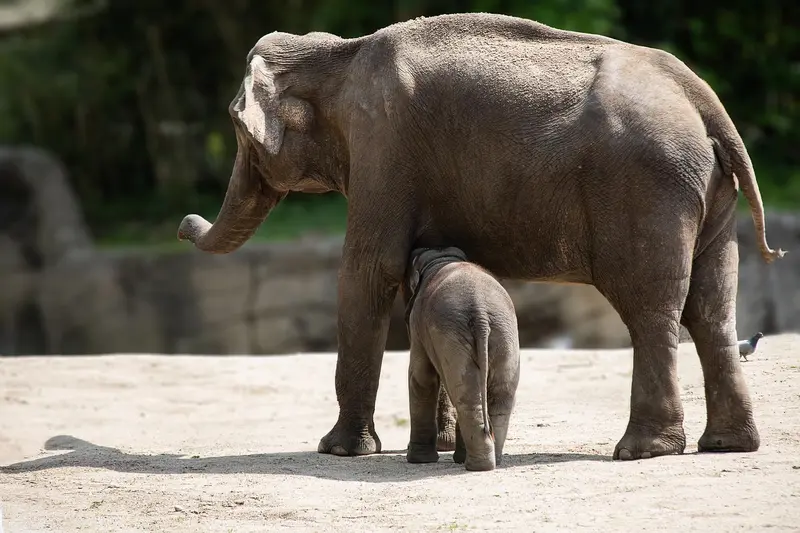
Elephants show the same problem. In 2008, a study in the journal Science looked at data on more than 4,500 elephants. It found that African elephants born in European zoos had a median lifespan of just 16.9 years. In Amboseli National Park in Kenya, elephants that died of natural causes had a median lifespan of 56 years. That means half of the zoo elephants were dead before seventeen. To be fair, zoos say conditions have improved since then. But even so, these numbers are hard to ignore.
ゾウにも同じ問題があります。2008年、科学誌「サイエンス」に載った研究は、4,500頭以上のゾウのデータを調べました。その結果、ヨーロッパの動物園で生まれたアフリカゾウの寿命の中央値は、たった16.9年でした。ケニアのアンボセリ国立公園で、自然な原因で死んだゾウの寿命の中央値は56年でした。つまり、動物園のゾウの半分は、17歳になる前に死んでいたのです。公平に言うと、動物園側は、それ以降は環境がよくなったと言っています。それでも、この数字は無視できません。
Source: Clubb, R. et al. (2008). "Compromised survivorship in zoo elephants." Science, 322(5908), 1649 (median lifespan: 16.9 years for zoo-born African elephants in European zoos vs. 56.0 years in Amboseli National Park, Kenya)
04Reason 2: The Real Threat Is Habitat Loss
My second reason is about what really protects animals. In 2019, IPBES, a United Nations science body, published a huge global report on nature. It said that around one million species of animals and plants are threatened with extinction. And it found that the biggest direct cause is the way people change land and sea, for example by cutting down forests for farms and cities. So the main problem is not that animals lack a place in a zoo. It's that they are losing their homes in the wild.
2つ目の理由は、何が本当に動物を守るのか、ということです。2019年、国連の科学機関であるIPBESが、自然についての大規模な世界の報告書を発表しました。それによると、約100万種の動物や植物が絶滅のおそれにさらされています。そして、いちばん大きな直接の原因は、農地や都市のために森を切りひらくなど、人が陸や海の使い方を変えていることだと分かりました。つまり、いちばんの問題は、動物に動物園の居場所がないことではありません。野生のすみかを失っていることなのです。
Source: IPBES (2019). Global Assessment Report on Biodiversity and Ecosystem Services: Summary for Policymakers
05"But Zoos Saved the Oryx and the Condor"
Now, people who support zoos often say, "Zoos saved the Arabian oryx and the California condor." It's true that zoo breeding helped bring them back. I respect that work. But notice something. Those animals were saved because there was a safe place in the wild to send them back to. Breeding animals in a zoo is only half of the job. Without protected forests, deserts, and oceans, there's nowhere for them to go. That's why I believe the money should go first to protecting wild homes.
さて、動物園に賛成する人は、よく「動物園はアラビアオリックスとカリフォルニアコンドルを救った」と言います。たしかに、動物園での繁殖は、それらの動物を取り戻す助けになりました。私はその取り組みを尊敬しています。でも、気づいてほしいことがあります。その動物たちが救われたのは、野生に戻せる安全な場所があったからです。動物園で繁殖させるのは、仕事の半分にすぎません。守られた森や砂漠や海がなければ、動物たちの行き場はありません。だから私は、お金はまず野生のすみかを守るために使うべきだと考えます。
Sources: IUCN Red List, Oryx leucoryx (Arabian Oryx): reassessed as Vulnerable in 2011, after reintroductions from captive breeding; U.S. Fish and Wildlife Service, California Condor Recovery Program
06Reason 3: Better Ways to Learn
My third reason is that we have better ways to learn about animals now. Nature films can show animals hunting, traveling, and raising their babies in the wild, things you'll never see in a zoo. Responsible wildlife tours let people see animals in their real homes, and the money can support local protection. And this is my own idea, but imagine a building in the city where you put on a VR headset and walk next to a herd of elephants. It could give kids that "up close" feeling without a single cage.
3つ目の理由は、今は動物について学ぶもっといい方法があることです。自然のドキュメンタリーは、動物が野生で狩りをし、移動し、子育てをする姿を見せてくれます。動物園では決して見られない姿です。きちんと配慮された野生動物のツアーなら、本当のすみかにいる動物を見ることができ、そのお金は地元の保護活動の支えにもなります。そして、これは私自身のアイデアですが、街の中に、VRのゴーグルをつけてゾウの群れのとなりを歩ける施設があったらどうでしょう。おりを一つも使わずに、子どもたちにあの「すぐ近くで見る」感覚を届けられるかもしれません。
07A Realistic Plan
I'm not saying we should open the gates tomorrow. That would be dangerous for the animals. Instead, here's a realistic plan. First, stop bringing in new animals that need huge spaces, like polar bears and elephants. Even the 2003 study suggested that zoos should greatly improve how they keep these animals, or slowly stop keeping them. Second, take good care of the animals already there. Third, slowly turn zoos into sanctuaries, quiet places for rescued animals that can't go back to the wild. And fourth, move more money to protecting wild habitats.
明日すぐに門を開けるべきだと言っているわけではありません。それは動物にとって危険です。そのかわりに、現実的な計画を提案します。1つ目に、ホッキョクグマやゾウのように、とても広い場所が必要な動物を新しく入れるのをやめる。2003年の研究も、動物園はこうした動物の飼い方を大きく改善するか、少しずつ飼うのをやめるべきだと提案しています。2つ目に、今いる動物をしっかり世話する。3つ目に、少しずつ動物園をサンクチュアリ、つまり野生に戻れない保護された動物のための静かな場所に変えていく。そして4つ目に、野生のすみかを守るために、もっとお金を回すことです。
Source: Clubb, R. & Mason, G. (2003). "Captivity effects on wide-ranging carnivores." Nature, 425, 473–474
08From Zoos to Sanctuaries
To conclude, the research shows that animals that travel far suffer in zoos, and that zoo elephants have lived much shorter lives. The biggest threat to animals is losing their homes in the wild. And we have better ways to learn. So let's protect wild homes, and slowly turn zoos into sanctuaries. That polar bear deserved more than a wall. Thank you, and I'd be glad to hear your questions.
結論です。研究は、遠くまで移動する動物が動物園で苦しんでいること、そして動物園のゾウの寿命がずっと短かったことを示しています。動物にとっていちばんの脅威は、野生のすみかを失うことです。そして、私たちにはもっといい学び方があります。だから、野生のすみかを守り、少しずつ動物園をサンクチュアリに変えていきましょう。あのホッキョクグマには、壁よりもいいものがふさわしかったはずです。ありがとうございました。ご質問があればぜひどうぞ。
Sources: Clubb, R. & Mason, G. (2003). "Captivity effects on wide-ranging carnivores." Nature, 425, 473–474; Clubb, R. et al. (2008). "Compromised survivorship in zoo elephants." Science, 322(5908), 1649; IPBES (2019). Global Assessment Report on Biodiversity and Ecosystem Services: Summary for Policymakers
More Environment & Nature presentations

Cover photo by Efraimstochter on Pixabay
Slide photos by iribagrova8176, designerpoint on Pixabay