英語プレゼンのお手本の原稿と日本語訳。スライドごとに、聞いて・話して練習できます。
Practice the other side:Why It's Time to Move Beyond Zoos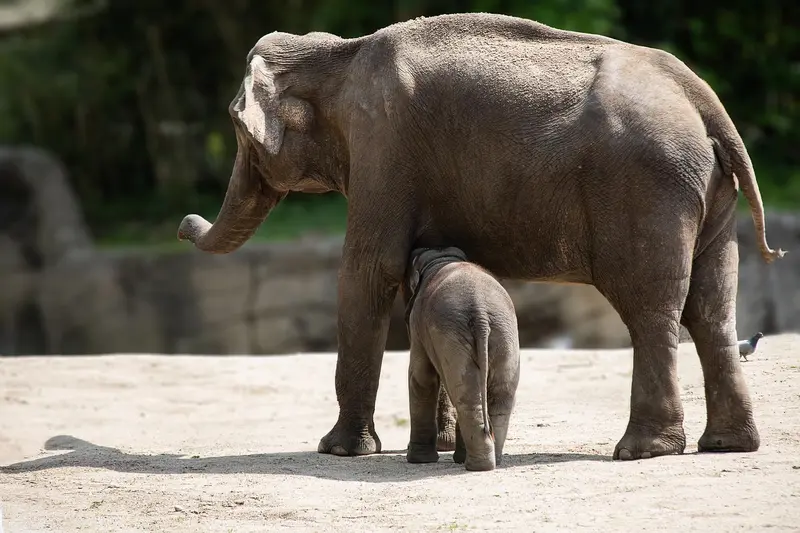
Should Zoos Exist?
A hard question
1 / 8
Model script
Good afternoon, everyone. Should zoos exist? A lot of people say no, and I understand why. Nobody likes to see a lonely animal in a small cage. But my answer is yes. I believe good zoos still matter. In the next few minutes, I'll show you two real animals that zoos brought back from the edge of extinction. I'll also share why seeing animals up close still matters. Then, to be fair, I'll look at the strongest research against zoos, and explain what it tells us about the kind of zoos we should keep.
Your recording
Say this slide out loud, then listen to yourself.
Recordings stay on this device and disappear when you leave the page.
Useful phrases
I understand why
I can see their reasons.
from the edge of extinction
From almost disappearing forever.
to be fair
To look at the other side honestly.
Words
Highlighted words are on this slide. Tap a word to look it up on Google.
Full script
Read the whole talk.
All slides in one place. Read it through once, then practice slide by slide.
01Should Zoos Exist?
Good afternoon, everyone. Should zoos exist? A lot of people say no, and I understand why. Nobody likes to see a lonely animal in a small cage. But my answer is yes. I believe good zoos still matter. In the next few minutes, I'll show you two real animals that zoos brought back from the edge of extinction. I'll also share why seeing animals up close still matters. Then, to be fair, I'll look at the strongest research against zoos, and explain what it tells us about the kind of zoos we should keep.
みなさん、こんにちは。動物園はあるべきでしょうか?「いらない」と言う人は多く、その理由も分かります。小さなおりの中のさびしそうな動物を見たい人はいません。でも、私の答えは「あるべき」です。よい動物園は今も大切だと信じています。これから数分で、動物園が絶滅の寸前から救った2種類の動物を紹介します。また、動物を近くで見ることがなぜ今も大切なのかもお話しします。そのあと、公平にするために、動物園に反対するいちばん強い研究も取り上げ、それが「どんな動物園を残すべきか」について何を教えてくれるのかを説明します。
02Evidence 1: The Arabian Oryx
My first reason is that zoos can save species from extinction. My first piece of evidence is the Arabian oryx, a white desert antelope. By 1972, hunting had wiped it out in the wild. The only oryx left were in zoos and private collections. Those animals were carefully bred, and in 1982, zoo-bred oryx were released into the desert of Oman. Other releases followed. In 2011, the IUCN, which keeps the world's list of threatened species, moved the Arabian oryx to "Vulnerable." It was the first animal ever to go from "Extinct in the Wild" back to that level. Without zoos, this animal would simply be gone.
1つ目の理由は、動物園は種を絶滅から救えるということです。その1つ目の根拠は、アラビアオリックスという白い砂漠のレイヨウです。1972年までに、狩りによって野生のオリックスはいなくなりました。残っていたのは、動物園や個人の施設にいた個体だけでした。その動物たちが大切に繁殖され、1982年に、動物園で生まれたオリックスがオマーンの砂漠に放されました。そのあとも放す取り組みは続きました。2011年、世界の絶滅のおそれのある生き物の一覧を作っているIUCN(国際自然保護連合)は、アラビアオリックスを「危急種」に引き上げました。「野生では絶滅」からそこまで戻った、初めての動物です。動物園がなければ、この動物はもういなかったでしょう。
Sources: IUCN Red List, Oryx leucoryx (Arabian Oryx): reassessed as Vulnerable in 2011; Scientific American, "Arabian Oryx Makes History as First Species to Be Upgraded from 'Extinct in the Wild' to 'Vulnerable'" (2011)
03Evidence 2: The California Condor
My second piece of evidence is the California condor, one of the largest birds in North America. By 1987, there were only 27 of them in the whole world. That year, scientists caught the last wild condor and brought it into a breeding program with zoos. It was a risky decision, and many people were against it. But it worked. According to the U.S. Fish and Wildlife Service, at the end of 2025 there were 607 California condors, and 392 of them were flying free in the wild. From 27 to more than 600. That is what a zoo can do.
2つ目の根拠は、北アメリカで最も大きな鳥の一つ、カリフォルニアコンドルです。1987年には、世界中に27羽しかいませんでした。その年、科学者は最後の野生のコンドルをつかまえ、動物園と協力した繁殖の取り組みに加えました。危険な決断で、反対する人もたくさんいました。でも、うまくいきました。アメリカ魚類野生生物局によると、2025年の終わりには、カリフォルニアコンドルは607羽になり、そのうち392羽が野生で自由に飛んでいました。27羽から600羽以上へ。これが、動物園にできることです。
Sources: U.S. Fish and Wildlife Service, California Condor Recovery Program: 2025 Annual Population Status (607 birds, 392 in the wild, as of December 31, 2025); U.S. Fish and Wildlife Service, California Condor Recovery Program history (last wild condor captured in 1987, 27 birds in total)
04Reason 2: Learning Up Close
My second reason is learning, and this one is more personal. A nature video is nice, but seeing a real elephant up close is different. You hear it breathing, you smell it, and you suddenly understand how big it really is. When I was a kid, a trip to the zoo made me care about animals for the first time. I think many people here have a similar memory. This matters, because people protect what they care about. If the next generation never meets a real animal, will they fight to save one?
2つ目の理由は学ぶことで、これはもっと個人的な話です。自然の動画もいいですが、本物のゾウを近くで見るのはまったく違います。息づかいが聞こえ、においがして、本当はどれほど大きいのかが、いきなり分かります。子どものころ、動物園に行ったことで、私は初めて動物を大切に思うようになりました。ここにいる多くの人にも、似た思い出があると思います。これは大事なことです。人は、大切に思うものを守るからです。次の世代が一度も本物の動物に出会わなかったら、その人たちは動物を救うために動くでしょうか?
05The Strongest Argument Against Zoos
Now, let's be honest about the other side. In 2003, a study in the journal Nature looked at meat-eating animals in zoos. It found that animals that travel long distances in the wild, like polar bears, paced back and forth more in zoos, and more of their babies died. In 2008, another study, in the journal Science, found that African elephants born in European zoos had a median lifespan of only 16.9 years. In a national park in Kenya, it was 56. I won't pretend these numbers don't matter. They show that some animals really suffer in zoos.
さて、反対側の意見についても正直に話しましょう。2003年、科学誌「ネイチャー」に載った研究は、動物園の肉食動物を調べました。その結果、ホッキョクグマのように野生で長い距離を移動する動物ほど、動物園で同じところを行ったり来たりすることが多く、赤ちゃんが死ぬ割合も高いことが分かりました。2008年には、科学誌「サイエンス」の別の研究で、ヨーロッパの動物園で生まれたアフリカゾウの寿命の中央値は、たった16.9年だと分かりました。ケニアの国立公園では56年でした。この数字が重要でないふりをするつもりはありません。動物園で本当に苦しんでいる動物がいることを示しています。
Sources: Clubb, R. & Mason, G. (2003). "Captivity effects on wide-ranging carnivores." Nature, 425, 473–474; Clubb, R. et al. (2008). "Compromised survivorship in zoo elephants." Science, 322(5908), 1649 (median lifespan: 16.9 years for zoo-born African elephants in European zoos vs. 56.0 years in Amboseli National Park, Kenya)
06What the Research Really Tells Us
But look closely at what this research tells us. It doesn't say every animal suffers in zoos. It says some kinds of animals, especially ones that travel far, need much more space, or shouldn't be kept at all. In fact, the 2003 study itself suggested that zoos should greatly improve how they keep these animals, or slowly stop keeping them. I agree. So my standard is simple. A good zoo gives animals enough space to move naturally. It keeps animals that can live well in captivity. And it spends real money on protecting animals in the wild.
でも、この研究が本当は何を伝えているのか、よく見てください。すべての動物が動物園で苦しむとは言っていません。ある種類の動物、特に遠くまで移動する動物には、もっとずっと広い場所が必要で、そうでなければ飼うべきではない、と言っているのです。実際、2003年の研究そのものが、動物園はこうした動物の飼い方を大きく改善するか、少しずつ飼うのをやめるべきだと提案しています。私も同じ考えです。だから、私の基準はシンプルです。よい動物園は、動物が自然に動けるだけの広さを与えます。飼育下でもちゃんと暮らせる動物を飼います。そして、野生の動物を守ることに本気でお金を使います。
Source: Clubb, R. & Mason, G. (2003). "Captivity effects on wide-ranging carnivores." Nature, 425, 473–474
07If Zoos Closed Tomorrow
Some people say the answer is to close all zoos. But let's imagine that all zoos closed tomorrow. Where would the animals go? Many of them were born in zoos, and they don't know how to find food or avoid danger in the wild. And who would run the next rescue, like the one for the oryx or the condor? Closing every zoo sounds kind, but it could hurt the very animals we want to help.
「すべての動物園を閉じればいい」と言う人もいます。でも、もし明日、すべての動物園が閉まったと想像してみましょう。動物たちはどこへ行くのでしょうか。その多くは動物園で生まれていて、野生で食べ物を見つけたり危険を避けたりする方法を知りません。それに、オリックスやコンドルのときのような次の救出を、だれが行うのでしょうか。すべての動物園を閉じるのはやさしい考えに聞こえますが、まさに助けたいはずの動物を傷つけてしまうかもしれません。
08Better Zoos, Not No Zoos
To conclude, zoos brought the Arabian oryx and the California condor back from the edge. They help people care about animals. And yes, the research shows that some animals suffer in zoos, so bad zoos must change, or close. But the answer is not "no zoos." It's "better zoos." Thank you for listening, and I'm happy to take your questions.
結論です。動物園は、アラビアオリックスとカリフォルニアコンドルを絶滅の寸前から救いました。人が動物を大切に思うきっかけにもなっています。そして、たしかに研究は、動物園で苦しむ動物がいることを示しています。だから、悪い動物園は変わるか、閉じるべきです。でも、答えは「動物園はいらない」ではありません。「もっとよい動物園を」です。ご清聴ありがとうございました。ご質問があればどうぞ。
Sources: IUCN Red List, Oryx leucoryx (Arabian Oryx): reassessed as Vulnerable in 2011; U.S. Fish and Wildlife Service, California Condor Recovery Program; Clubb, R. & Mason, G. (2003). "Captivity effects on wide-ranging carnivores." Nature, 425, 473–474; Clubb, R. et al. (2008). "Compromised survivorship in zoo elephants." Science, 322(5908), 1649
More Environment & Nature presentations




Cover photo by minka2507 on Pixabay
Slide photos by Alexas_Fotos, picsbyjameslee on Pixabay