英文簡報的示範講稿與中文翻譯。每一頁都可以聽示範、開口練習。
Practice the other side:Why It's Time to Move Beyond Zoos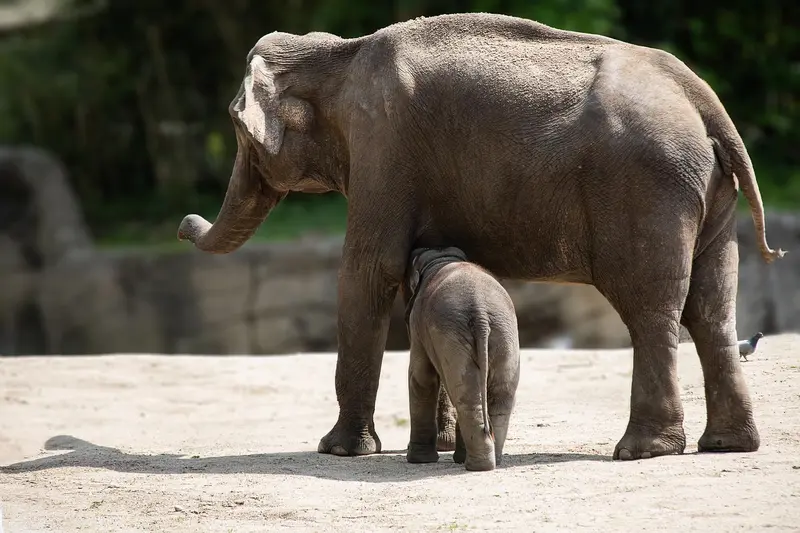
Should Zoos Exist?
A hard question
1 / 8
Model script
Good afternoon, everyone. Should zoos exist? A lot of people say no, and I understand why. Nobody likes to see a lonely animal in a small cage. But my answer is yes. I believe good zoos still matter. In the next few minutes, I'll show you two real animals that zoos brought back from the edge of extinction. I'll also share why seeing animals up close still matters. Then, to be fair, I'll look at the strongest research against zoos, and explain what it tells us about the kind of zoos we should keep.
Your recording
Say this slide out loud, then listen to yourself.
Recordings stay on this device and disappear when you leave the page.
Useful phrases
I understand why
I can see their reasons.
from the edge of extinction
From almost disappearing forever.
to be fair
To look at the other side honestly.
Words
Highlighted words are on this slide. Tap a word to look it up on Google.
Full script
Read the whole talk.
All slides in one place. Read it through once, then practice slide by slide.
01Should Zoos Exist?
Good afternoon, everyone. Should zoos exist? A lot of people say no, and I understand why. Nobody likes to see a lonely animal in a small cage. But my answer is yes. I believe good zoos still matter. In the next few minutes, I'll show you two real animals that zoos brought back from the edge of extinction. I'll also share why seeing animals up close still matters. Then, to be fair, I'll look at the strongest research against zoos, and explain what it tells us about the kind of zoos we should keep.
大家午安。動物園應該存在嗎?很多人說不應該,我也能理解原因。沒有人喜歡看到一隻孤單的動物待在小籠子裡。但我的答案是:應該。我認為好的動物園仍然很重要。接下來幾分鐘,我會介紹兩種真實的動物,牠們曾經瀕臨絕種,是動物園把牠們救了回來。我也會談談為什麼近距離看動物仍然很重要。接著,為了公平起見,我會看看反對動物園最有力的研究,並說明它告訴我們應該留下什麼樣的動物園。
02Evidence 1: The Arabian Oryx
My first reason is that zoos can save species from extinction. My first piece of evidence is the Arabian oryx, a white desert antelope. By 1972, hunting had wiped it out in the wild. The only oryx left were in zoos and private collections. Those animals were carefully bred, and in 1982, zoo-bred oryx were released into the desert of Oman. Other releases followed. In 2011, the IUCN, which keeps the world's list of threatened species, moved the Arabian oryx to "Vulnerable." It was the first animal ever to go from "Extinct in the Wild" back to that level. Without zoos, this animal would simply be gone.
我的第一個理由是,動物園可以拯救物種,讓牠們免於絕種。我的第一個證據是阿拉伯劍羚,一種生活在沙漠裡的白色羚羊。到了1972年,因為狩獵,野外的阿拉伯劍羚已經消失了。剩下的只在動物園和私人收藏中。這些動物經過細心的繁殖,1982年,在動物園繁殖的阿拉伯劍羚被野放到阿曼的沙漠。之後又陸續野放了好幾次。2011年,負責整理全球受威脅物種名錄的國際自然保護聯盟,把阿拉伯劍羚調整為「易危」。牠是第一種從「野外滅絕」回到這個等級的動物。如果沒有動物園,這種動物早就完全消失了。
Sources: IUCN Red List, Oryx leucoryx (Arabian Oryx): reassessed as Vulnerable in 2011; Scientific American, "Arabian Oryx Makes History as First Species to Be Upgraded from 'Extinct in the Wild' to 'Vulnerable'" (2011)
03Evidence 2: The California Condor
My second piece of evidence is the California condor, one of the largest birds in North America. By 1987, there were only 27 of them in the whole world. That year, scientists caught the last wild condor and brought it into a breeding program with zoos. It was a risky decision, and many people were against it. But it worked. According to the U.S. Fish and Wildlife Service, at the end of 2025 there were 607 California condors, and 392 of them were flying free in the wild. From 27 to more than 600. That is what a zoo can do.
我的第二個證據是加州神鷲,北美洲體型最大的鳥類之一。到了1987年,全世界只剩下27隻。那一年,科學家捕捉了最後一隻野生的加州神鷲,把牠帶進與動物園合作的繁殖計畫。這是一個很冒險的決定,很多人都反對。但它成功了。根據美國魚類及野生動物管理局的資料,到2025年底,加州神鷲共有607隻,其中392隻在野外自由飛翔。從27隻到600多隻。這就是動物園能做到的事。
Sources: U.S. Fish and Wildlife Service, California Condor Recovery Program: 2025 Annual Population Status (607 birds, 392 in the wild, as of December 31, 2025); U.S. Fish and Wildlife Service, California Condor Recovery Program history (last wild condor captured in 1987, 27 birds in total)
04Reason 2: Learning Up Close
My second reason is learning, and this one is more personal. A nature video is nice, but seeing a real elephant up close is different. You hear it breathing, you smell it, and you suddenly understand how big it really is. When I was a kid, a trip to the zoo made me care about animals for the first time. I think many people here have a similar memory. This matters, because people protect what they care about. If the next generation never meets a real animal, will they fight to save one?
我的第二個理由是學習,這一點比較個人。自然紀錄片很好看,但近距離看到一頭真正的大象,感覺完全不一樣。你聽得到牠的呼吸,聞得到牠的味道,一下子就明白牠到底有多大。我小時候,一次去動物園的經驗,讓我第一次開始關心動物。我想在場很多人也有類似的回憶。這很重要,因為人會保護自己在乎的東西。如果下一代從來沒見過真正的動物,他們還會努力去拯救動物嗎?
05The Strongest Argument Against Zoos
Now, let's be honest about the other side. In 2003, a study in the journal Nature looked at meat-eating animals in zoos. It found that animals that travel long distances in the wild, like polar bears, paced back and forth more in zoos, and more of their babies died. In 2008, another study, in the journal Science, found that African elephants born in European zoos had a median lifespan of only 16.9 years. In a national park in Kenya, it was 56. I won't pretend these numbers don't matter. They show that some animals really suffer in zoos.
現在,我們誠實地看看另一方的看法。2003年,《自然》期刊的一項研究調查了動物園裡的肉食動物。研究發現,在野外會長距離移動的動物,像是北極熊,在動物園裡來回踱步的情況比較多,幼獸死亡的也比較多。2008年,《科學》期刊的另一項研究發現,在歐洲動物園出生的非洲象,壽命中位數只有16.9歲。而在肯亞的一座國家公園,這個數字是56歲。我不會假裝這些數字不重要。它們說明,有些動物在動物園裡真的很痛苦。
Sources: Clubb, R. & Mason, G. (2003). "Captivity effects on wide-ranging carnivores." Nature, 425, 473–474; Clubb, R. et al. (2008). "Compromised survivorship in zoo elephants." Science, 322(5908), 1649 (median lifespan: 16.9 years for zoo-born African elephants in European zoos vs. 56.0 years in Amboseli National Park, Kenya)
06What the Research Really Tells Us
But look closely at what this research tells us. It doesn't say every animal suffers in zoos. It says some kinds of animals, especially ones that travel far, need much more space, or shouldn't be kept at all. In fact, the 2003 study itself suggested that zoos should greatly improve how they keep these animals, or slowly stop keeping them. I agree. So my standard is simple. A good zoo gives animals enough space to move naturally. It keeps animals that can live well in captivity. And it spends real money on protecting animals in the wild.
但我們仔細看看這些研究到底告訴了我們什麼。它並沒有說每一隻動物在動物園裡都很痛苦。它說的是,有些種類的動物,特別是會長距離移動的,需要大得多的空間,或是根本不該被飼養。事實上,2003年那項研究本身就建議,動物園應該大幅改善飼養這些動物的方式,或是逐步停止飼養。我同意。所以我的標準很簡單。好的動物園會給動物足夠的空間,讓牠們自然地活動。它飼養的是能在人工環境中好好生活的動物。而且它會真的投入資金,保護野外的動物。
Source: Clubb, R. & Mason, G. (2003). "Captivity effects on wide-ranging carnivores." Nature, 425, 473–474
07If Zoos Closed Tomorrow
Some people say the answer is to close all zoos. But let's imagine that all zoos closed tomorrow. Where would the animals go? Many of them were born in zoos, and they don't know how to find food or avoid danger in the wild. And who would run the next rescue, like the one for the oryx or the condor? Closing every zoo sounds kind, but it could hurt the very animals we want to help.
有些人說,解決辦法就是關掉所有的動物園。但我們想像一下,如果明天所有動物園都關了,動物們要去哪裡?牠們很多都是在動物園出生的,不知道怎麼在野外找食物、避開危險。還有,下一次的救援要由誰來做,就像拯救阿拉伯劍羚和加州神鷲那樣?關掉所有動物園聽起來很善良,卻可能傷害到我們最想幫助的那些動物。
08Better Zoos, Not No Zoos
To conclude, zoos brought the Arabian oryx and the California condor back from the edge. They help people care about animals. And yes, the research shows that some animals suffer in zoos, so bad zoos must change, or close. But the answer is not "no zoos." It's "better zoos." Thank you for listening, and I'm happy to take your questions.
總結來說,動物園把阿拉伯劍羚和加州神鷲從絕種邊緣救了回來。它們幫助大家關心動物。沒錯,研究顯示有些動物在動物園裡很痛苦,所以不好的動物園必須改變,或是關閉。但答案不是「不要動物園」,而是「更好的動物園」。謝謝大家,歡迎提問。
Sources: IUCN Red List, Oryx leucoryx (Arabian Oryx): reassessed as Vulnerable in 2011; U.S. Fish and Wildlife Service, California Condor Recovery Program; Clubb, R. & Mason, G. (2003). "Captivity effects on wide-ranging carnivores." Nature, 425, 473–474; Clubb, R. et al. (2008). "Compromised survivorship in zoo elephants." Science, 322(5908), 1649
More Environment & Nature presentations




Cover photo by minka2507 on Pixabay
Slide photos by Alexas_Fotos, picsbyjameslee on Pixabay