Guion modelo de una presentación en inglés con traducción al español. Escucha y practica diapositiva por diapositiva.
Practice the other side:Why It's Time to Move Beyond Zoos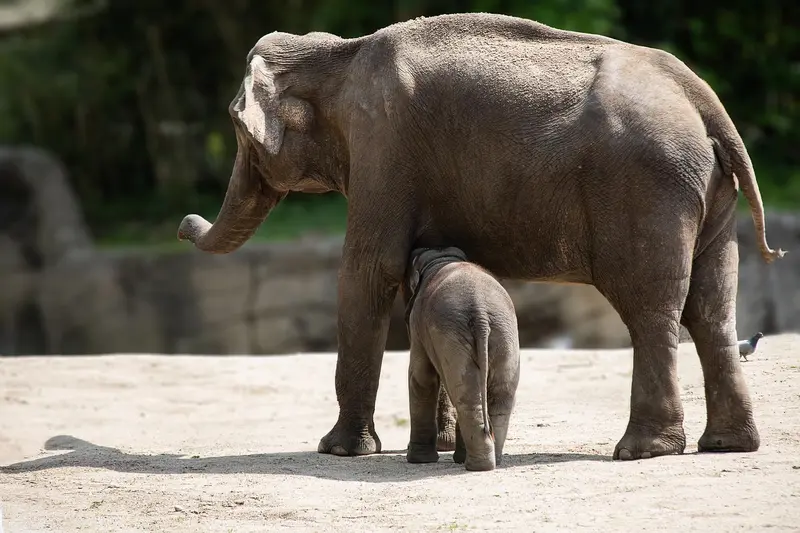
Should Zoos Exist?
A hard question
1 / 8
Model script
Good afternoon, everyone. Should zoos exist? A lot of people say no, and I understand why. Nobody likes to see a lonely animal in a small cage. But my answer is yes. I believe good zoos still matter. In the next few minutes, I'll show you two real animals that zoos brought back from the edge of extinction. I'll also share why seeing animals up close still matters. Then, to be fair, I'll look at the strongest research against zoos, and explain what it tells us about the kind of zoos we should keep.
Your recording
Say this slide out loud, then listen to yourself.
Recordings stay on this device and disappear when you leave the page.
Useful phrases
I understand why
I can see their reasons.
from the edge of extinction
From almost disappearing forever.
to be fair
To look at the other side honestly.
Words
Highlighted words are on this slide. Tap a word to look it up on Google.
Full script
Read the whole talk.
All slides in one place. Read it through once, then practice slide by slide.
01Should Zoos Exist?
Good afternoon, everyone. Should zoos exist? A lot of people say no, and I understand why. Nobody likes to see a lonely animal in a small cage. But my answer is yes. I believe good zoos still matter. In the next few minutes, I'll show you two real animals that zoos brought back from the edge of extinction. I'll also share why seeing animals up close still matters. Then, to be fair, I'll look at the strongest research against zoos, and explain what it tells us about the kind of zoos we should keep.
Buenas tardes a todos. ¿Deberían existir los zoológicos? Mucha gente dice que no, y entiendo por qué. A nadie le gusta ver a un animal solo en una jaula pequeña. Pero mi respuesta es sí. Creo que los buenos zoológicos todavía importan. En los próximos minutos, les mostraré dos animales reales que los zoológicos salvaron cuando estaban al borde de la extinción. También les contaré por qué ver animales de cerca todavía importa. Luego, para ser justos, veré la investigación más fuerte en contra de los zoológicos y explicaré lo que nos dice sobre qué tipo de zoológicos deberíamos mantener.
02Evidence 1: The Arabian Oryx
My first reason is that zoos can save species from extinction. My first piece of evidence is the Arabian oryx, a white desert antelope. By 1972, hunting had wiped it out in the wild. The only oryx left were in zoos and private collections. Those animals were carefully bred, and in 1982, zoo-bred oryx were released into the desert of Oman. Other releases followed. In 2011, the IUCN, which keeps the world's list of threatened species, moved the Arabian oryx to "Vulnerable." It was the first animal ever to go from "Extinct in the Wild" back to that level. Without zoos, this animal would simply be gone.
Mi primera razón es que los zoológicos pueden salvar especies de la extinción. Mi primera prueba es el órix de Arabia, un antílope blanco del desierto. Para 1972, la caza lo había hecho desaparecer en estado salvaje. Los únicos órix que quedaban estaban en zoológicos y colecciones privadas. Esos animales se criaron con mucho cuidado, y en 1982, órix criados en zoológicos fueron liberados en el desierto de Omán. Después hubo otras liberaciones. En 2011, la UICN, que lleva la lista mundial de especies amenazadas, pasó al órix de Arabia a la categoría de «Vulnerable». Fue el primer animal en pasar de «Extinto en estado silvestre» de vuelta a ese nivel. Sin los zoológicos, este animal simplemente habría desaparecido.
Sources: IUCN Red List, Oryx leucoryx (Arabian Oryx): reassessed as Vulnerable in 2011; Scientific American, "Arabian Oryx Makes History as First Species to Be Upgraded from 'Extinct in the Wild' to 'Vulnerable'" (2011)
03Evidence 2: The California Condor
My second piece of evidence is the California condor, one of the largest birds in North America. By 1987, there were only 27 of them in the whole world. That year, scientists caught the last wild condor and brought it into a breeding program with zoos. It was a risky decision, and many people were against it. But it worked. According to the U.S. Fish and Wildlife Service, at the end of 2025 there were 607 California condors, and 392 of them were flying free in the wild. From 27 to more than 600. That is what a zoo can do.
Mi segunda prueba es el cóndor de California, una de las aves más grandes de América del Norte. En 1987, solo quedaban 27 en todo el mundo. Ese año, los científicos capturaron al último cóndor salvaje y lo llevaron a un programa de cría con zoológicos. Fue una decisión arriesgada, y mucha gente estaba en contra. Pero funcionó. Según el Servicio de Pesca y Vida Silvestre de Estados Unidos, a finales de 2025 había 607 cóndores de California, y 392 de ellos volaban libres en la naturaleza. De 27 a más de 600. Eso es lo que puede hacer un zoológico.
Sources: U.S. Fish and Wildlife Service, California Condor Recovery Program: 2025 Annual Population Status (607 birds, 392 in the wild, as of December 31, 2025); U.S. Fish and Wildlife Service, California Condor Recovery Program history (last wild condor captured in 1987, 27 birds in total)
04Reason 2: Learning Up Close
My second reason is learning, and this one is more personal. A nature video is nice, but seeing a real elephant up close is different. You hear it breathing, you smell it, and you suddenly understand how big it really is. When I was a kid, a trip to the zoo made me care about animals for the first time. I think many people here have a similar memory. This matters, because people protect what they care about. If the next generation never meets a real animal, will they fight to save one?
Mi segunda razón es el aprendizaje, y esta es más personal. Un video de naturaleza está bien, pero ver un elefante de verdad de cerca es diferente. Lo oyes respirar, lo hueles, y de repente entiendes lo grande que es en realidad. En mi infancia, una visita al zoológico hizo que me importaran los animales por primera vez. Creo que muchos de ustedes tienen un recuerdo parecido. Esto importa, porque la gente protege lo que le importa. Si la próxima generación nunca conoce a un animal de verdad, ¿luchará por salvar uno?
05The Strongest Argument Against Zoos
Now, let's be honest about the other side. In 2003, a study in the journal Nature looked at meat-eating animals in zoos. It found that animals that travel long distances in the wild, like polar bears, paced back and forth more in zoos, and more of their babies died. In 2008, another study, in the journal Science, found that African elephants born in European zoos had a median lifespan of only 16.9 years. In a national park in Kenya, it was 56. I won't pretend these numbers don't matter. They show that some animals really suffer in zoos.
Ahora, seamos honestos sobre el otro lado. En 2003, un estudio en la revista Nature analizó a los animales carnívoros en los zoológicos. Descubrió que los animales que recorren largas distancias en la naturaleza, como los osos polares, caminaban de un lado a otro más en los zoológicos, y morían más de sus crías. En 2008, otro estudio, en la revista Science, descubrió que los elefantes africanos nacidos en zoológicos europeos tenían una vida mediana de solo 16.9 años. En un parque nacional de Kenia, era de 56. No voy a fingir que estos números no importan. Muestran que algunos animales realmente sufren en los zoológicos.
Sources: Clubb, R. & Mason, G. (2003). "Captivity effects on wide-ranging carnivores." Nature, 425, 473–474; Clubb, R. et al. (2008). "Compromised survivorship in zoo elephants." Science, 322(5908), 1649 (median lifespan: 16.9 years for zoo-born African elephants in European zoos vs. 56.0 years in Amboseli National Park, Kenya)
06What the Research Really Tells Us
But look closely at what this research tells us. It doesn't say every animal suffers in zoos. It says some kinds of animals, especially ones that travel far, need much more space, or shouldn't be kept at all. In fact, the 2003 study itself suggested that zoos should greatly improve how they keep these animals, or slowly stop keeping them. I agree. So my standard is simple. A good zoo gives animals enough space to move naturally. It keeps animals that can live well in captivity. And it spends real money on protecting animals in the wild.
Pero miremos con atención lo que nos dice esta investigación. No dice que todos los animales sufran en los zoológicos. Dice que algunos tipos de animales, sobre todo los que recorren grandes distancias, necesitan mucho más espacio, o no deberían tenerse en absoluto. De hecho, el propio estudio de 2003 sugirió que los zoológicos deberían mejorar mucho la forma en que cuidan a estos animales, o dejar de tenerlos poco a poco. Estoy de acuerdo. Así que mi criterio es sencillo. Un buen zoológico da a los animales suficiente espacio para moverse de forma natural. Tiene animales que pueden vivir bien en cautiverio. Y dedica dinero de verdad a proteger a los animales en la naturaleza.
Source: Clubb, R. & Mason, G. (2003). "Captivity effects on wide-ranging carnivores." Nature, 425, 473–474
07If Zoos Closed Tomorrow
Some people say the answer is to close all zoos. But let's imagine that all zoos closed tomorrow. Where would the animals go? Many of them were born in zoos, and they don't know how to find food or avoid danger in the wild. And who would run the next rescue, like the one for the oryx or the condor? Closing every zoo sounds kind, but it could hurt the very animals we want to help.
Algunas personas dicen que la solución es cerrar todos los zoológicos. Pero imaginemos que todos los zoológicos cerraran mañana. ¿Adónde irían los animales? Muchos nacieron en zoológicos, y no saben cómo encontrar comida ni evitar peligros en la naturaleza. ¿Y quién se encargaría del próximo rescate, como el del órix o el del cóndor? Cerrar todos los zoológicos suena amable, pero podría dañar justamente a los animales que queremos ayudar.
08Better Zoos, Not No Zoos
To conclude, zoos brought the Arabian oryx and the California condor back from the edge. They help people care about animals. And yes, the research shows that some animals suffer in zoos, so bad zoos must change, or close. But the answer is not "no zoos." It's "better zoos." Thank you for listening, and I'm happy to take your questions.
Para concluir, los zoológicos salvaron al órix de Arabia y al cóndor de California cuando estaban al borde de la extinción. Ayudan a que a la gente le importen los animales. Y sí, la investigación muestra que algunos animales sufren en los zoológicos, así que los malos zoológicos deben cambiar o cerrar. Pero la respuesta no es «ningún zoológico». Es «mejores zoológicos». Gracias por su atención, y con gusto respondo sus preguntas.
Sources: IUCN Red List, Oryx leucoryx (Arabian Oryx): reassessed as Vulnerable in 2011; U.S. Fish and Wildlife Service, California Condor Recovery Program; Clubb, R. & Mason, G. (2003). "Captivity effects on wide-ranging carnivores." Nature, 425, 473–474; Clubb, R. et al. (2008). "Compromised survivorship in zoo elephants." Science, 322(5908), 1649
More Environment & Nature presentations

Cover photo by minka2507 on Pixabay
Slide photos by Alexas_Fotos, picsbyjameslee on Pixabay