英语演讲的示范讲稿与中文翻译。每一页都可以听示范、开口练习。
Practice the other side:Why Good Zoos Still Matter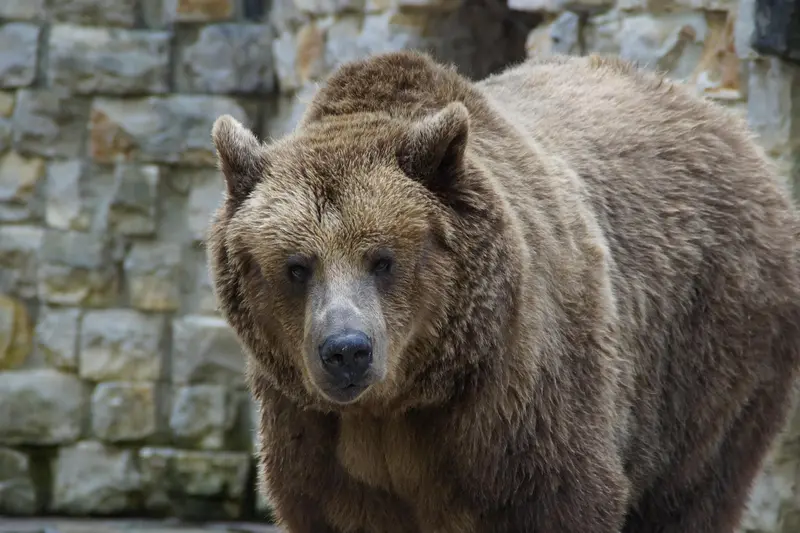
Should Zoos Exist?
A bear walking back and forth
1 / 8
Model script
Good afternoon, everyone. A few years ago, I watched a polar bear at a zoo walk back and forth along the same wall, again and again. At the time, I thought it was just bored. Later, I learned that scientists have a name for this, and that it can be a sign of stress. So should zoos exist? My answer is that we should slowly move beyond them. Today, I'll give you three reasons, each backed by research. Then I'll answer the strongest argument for zoos, and finish with a realistic plan.
Your recording
Say this slide out loud, then listen to yourself.
Recordings stay on this device and disappear when you leave the page.
Useful phrases
back and forth
In one direction and then the other, many times.
a sign of stress
Something that shows an animal is not OK.
each backed by research
Every reason is supported by studies.
Words
- polar bear
- meat-eating
- enclosure
- median lifespan
- extinction
- oryx
- condor
- wildlife
- VR headset
- herd
- sanctuaries
- habitats
Highlighted words are on this slide. Tap a word to look it up on Google.
Full script
Read the whole talk.
All slides in one place. Read it through once, then practice slide by slide.
01Should Zoos Exist?
Good afternoon, everyone. A few years ago, I watched a polar bear at a zoo walk back and forth along the same wall, again and again. At the time, I thought it was just bored. Later, I learned that scientists have a name for this, and that it can be a sign of stress. So should zoos exist? My answer is that we should slowly move beyond them. Today, I'll give you three reasons, each backed by research. Then I'll answer the strongest argument for zoos, and finish with a realistic plan.
大家下午好。几年前,我在动物园里看到一只北极熊沿着同一面墙来回走,一遍又一遍。当时,我以为它只是无聊。后来我才知道,科学家对这种行为有专门的名称,而且它可能是压力的表现。那么,动物园应该存在吗?我的回答是,我们应该逐步告别动物园。今天,我会给出三个理由,每一个都有研究支持。然后,我会回应支持动物园最有力的观点,最后提出一个现实的计划。
Source: Clubb, R. & Mason, G. (2003). "Captivity effects on wide-ranging carnivores." Nature, 425, 473–474
02Reason 1: Some Animals Need Huge Spaces
My first reason is space. In 2003, two researchers published a study in the journal Nature. They looked at meat-eating animals in zoos and compared them with how far each species travels in the wild. The result was clear. The bigger an animal's natural home range, the more it paced back and forth in zoos, and the more of its babies died. Polar bears were among the animals that had the biggest problems. In other words, for these animals, even a big zoo enclosure is far too small.
我的第一个理由是空间。2003年,两位研究人员在《自然》杂志上发表了一项研究。他们调查了动物园里的食肉动物,并和每个物种在野外的移动距离进行了比较。结果很清楚。一种动物在野外的活动范围越大,它在动物园里来回踱步就越多,幼崽死亡的也越多。北极熊是问题最严重的动物之一。换句话说,对这些动物来说,即使是很大的动物园围栏也远远不够。
Sources: Clubb, R. & Mason, G. (2003). "Captivity effects on wide-ranging carnivores." Nature, 425, 473–474; Science News, "Zoo life problematic for wide-ranging carnivores" (October 2003)
03Reason 1: The Elephant Numbers
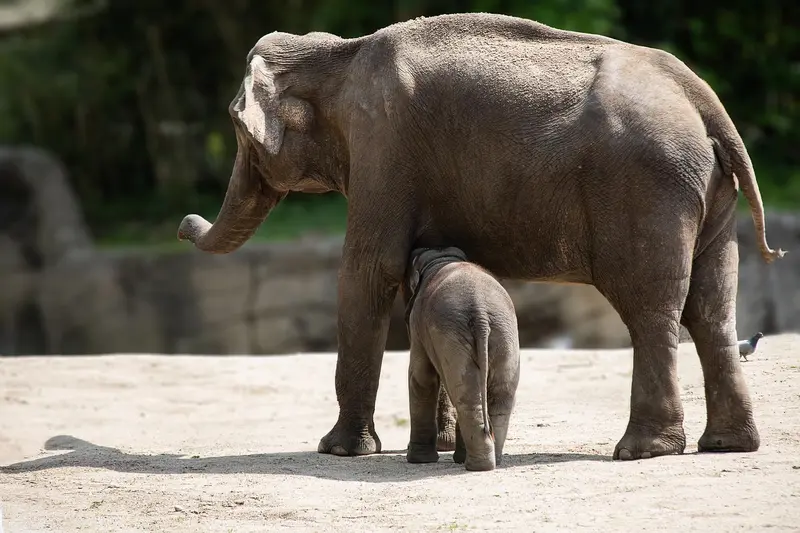
Elephants show the same problem. In 2008, a study in the journal Science looked at data on more than 4,500 elephants. It found that African elephants born in European zoos had a median lifespan of just 16.9 years. In Amboseli National Park in Kenya, elephants that died of natural causes had a median lifespan of 56 years. That means half of the zoo elephants were dead before seventeen. To be fair, zoos say conditions have improved since then. But even so, these numbers are hard to ignore.
大象也有同样的问题。2008年,《科学》杂志上的一项研究分析了4,500多头大象的数据。研究发现,在欧洲动物园出生的非洲象,寿命中位数只有16.9岁。而在肯尼亚的安博塞利国家公园,自然死亡的大象寿命中位数是56岁。这意味着,动物园里一半的大象不到十七岁就死了。公平地说,动物园表示从那以后条件已经有所改善。但即便如此,这些数字也很难被忽视。
Source: Clubb, R. et al. (2008). "Compromised survivorship in zoo elephants." Science, 322(5908), 1649 (median lifespan: 16.9 years for zoo-born African elephants in European zoos vs. 56.0 years in Amboseli National Park, Kenya)
04Reason 2: The Real Threat Is Habitat Loss
My second reason is about what really protects animals. In 2019, IPBES, a United Nations science body, published a huge global report on nature. It said that around one million species of animals and plants are threatened with extinction. And it found that the biggest direct cause is the way people change land and sea, for example by cutting down forests for farms and cities. So the main problem is not that animals lack a place in a zoo. It's that they are losing their homes in the wild.
我的第二个理由,是关于什么才能真正保护动物。2019年,联合国的科学机构IPBES发表了一份关于自然的大型全球报告。报告说,大约有一百万种动植物面临灭绝的威胁。而且报告发现,最大的直接原因是人类改变陆地和海洋的方式,比如为了农田和城市砍伐森林。所以,主要的问题不是动物在动物园里没有位置,而是它们正在失去野外的家园。
Source: IPBES (2019). Global Assessment Report on Biodiversity and Ecosystem Services: Summary for Policymakers
05"But Zoos Saved the Oryx and the Condor"
Now, people who support zoos often say, "Zoos saved the Arabian oryx and the California condor." It's true that zoo breeding helped bring them back. I respect that work. But notice something. Those animals were saved because there was a safe place in the wild to send them back to. Breeding animals in a zoo is only half of the job. Without protected forests, deserts, and oceans, there's nowhere for them to go. That's why I believe the money should go first to protecting wild homes.
支持动物园的人常常会说:“动物园拯救了阿拉伯大羚羊和加州神鹫。”的确,动物园的繁育帮助它们恢复了数量。我尊重这些工作。但请注意一点。这些动物之所以能得救,是因为野外有一个安全的地方可以让它们回去。在动物园里繁育动物,只完成了一半的工作。如果没有受到保护的森林、沙漠和海洋,它们就无处可去。所以我认为,资金应该首先用来保护它们在野外的家园。
Sources: IUCN Red List, Oryx leucoryx (Arabian Oryx): reassessed as Vulnerable in 2011, after reintroductions from captive breeding; U.S. Fish and Wildlife Service, California Condor Recovery Program
06Reason 3: Better Ways to Learn
My third reason is that we have better ways to learn about animals now. Nature films can show animals hunting, traveling, and raising their babies in the wild, things you'll never see in a zoo. Responsible wildlife tours let people see animals in their real homes, and the money can support local protection. And this is my own idea, but imagine a building in the city where you put on a VR headset and walk next to a herd of elephants. It could give kids that "up close" feeling without a single cage.
我的第三个理由是,现在我们有了更好的方式来了解动物。自然纪录片可以展示动物在野外捕猎、迁徙和养育幼崽的样子,这些是在动物园里永远看不到的。负责任的野生动物观光,能让人们在动物真正的家园里看到它们,而且这些收入还能支持当地的保护工作。还有,这是我自己的想法:想象一下,在城市里有一座建筑,你戴上VR眼镜,就能走在一群大象身边。这样可以让孩子们获得那种“近距离”的感觉,却不需要一个笼子。
07A Realistic Plan
I'm not saying we should open the gates tomorrow. That would be dangerous for the animals. Instead, here's a realistic plan. First, stop bringing in new animals that need huge spaces, like polar bears and elephants. Even the 2003 study suggested that zoos should greatly improve how they keep these animals, or slowly stop keeping them. Second, take good care of the animals already there. Third, slowly turn zoos into sanctuaries, quiet places for rescued animals that can't go back to the wild. And fourth, move more money to protecting wild habitats.
我并不是说明天就应该打开大门。那样对动物来说很危险。我的现实计划是这样的。第一,不再引进需要巨大空间的新动物,比如北极熊和大象。就连2003年的那项研究也建议,动物园应该大幅改善饲养这些动物的方式,或者逐步停止饲养它们。第二,好好照顾已经在动物园里的动物。第三,逐步把动物园变成保护区,成为那些无法回到野外的获救动物安静生活的地方。第四,把更多的资金用于保护野生栖息地。
Source: Clubb, R. & Mason, G. (2003). "Captivity effects on wide-ranging carnivores." Nature, 425, 473–474
08From Zoos to Sanctuaries
To conclude, the research shows that animals that travel far suffer in zoos, and that zoo elephants have lived much shorter lives. The biggest threat to animals is losing their homes in the wild. And we have better ways to learn. So let's protect wild homes, and slowly turn zoos into sanctuaries. That polar bear deserved more than a wall. Thank you, and I'd be glad to hear your questions.
总结一下,研究显示,长距离移动的动物在动物园里很痛苦,而动物园里的大象寿命也短得多。动物面临的最大威胁,是失去它们在野外的家园。而且,我们有更好的方式去了解动物。所以,让我们保护野外的家园,并逐步把动物园变成保护区。那只北极熊应该拥有的,不只是一面墙。谢谢大家,很乐意回答你们的问题。
Sources: Clubb, R. & Mason, G. (2003). "Captivity effects on wide-ranging carnivores." Nature, 425, 473–474; Clubb, R. et al. (2008). "Compromised survivorship in zoo elephants." Science, 322(5908), 1649; IPBES (2019). Global Assessment Report on Biodiversity and Ecosystem Services: Summary for Policymakers
More Environment & Nature presentations


Cover photo by Efraimstochter on Pixabay
Slide photos by iribagrova8176, designerpoint on Pixabay