英语演讲的示范讲稿与中文翻译。每一页都可以听示范、开口练习。
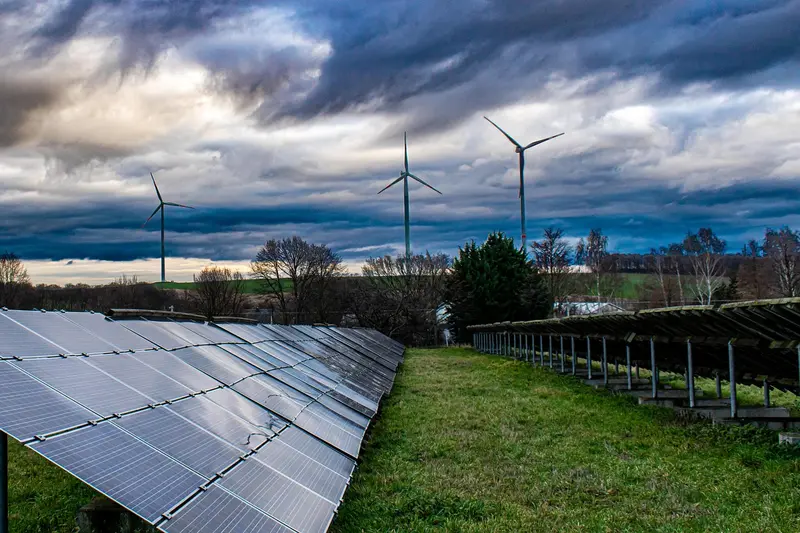
Where Will Our Electricity Come From?
Where we are now
1 / 8
Model script
Good morning, everyone. Every time you charge your phone, the electricity comes from somewhere. For many of us, it still comes from burning coal and gas. But that is changing, and it's changing fast. Today, I'd like to make a prediction about where our electricity will come from in 2050. First, I'll show you where we are now. Then, I'll look at a forecast for 2030 and the role of batteries. After that, I'll talk about the biggest problem. Finally, I'll give you my own prediction.
Your recording
Say this slide out loud, then listen to yourself.
Recordings stay on this device and disappear when you leave the page.
Useful phrases
I'd like to make a prediction
I want to say what I think will happen.
it's changing fast
It is changing quickly.
Finally, I'll give you
My last point will be...
Words
Highlighted words are on this slide. Tap a word to look it up on Google.
Full script
Read the whole talk.
All slides in one place. Read it through once, then practice slide by slide.
01Where Will Our Electricity Come From?
Good morning, everyone. Every time you charge your phone, the electricity comes from somewhere. For many of us, it still comes from burning coal and gas. But that is changing, and it's changing fast. Today, I'd like to make a prediction about where our electricity will come from in 2050. First, I'll show you where we are now. Then, I'll look at a forecast for 2030 and the role of batteries. After that, I'll talk about the biggest problem. Finally, I'll give you my own prediction.
大家早上好。每次你们给手机充电,电都是从某个地方来的。对我们很多人来说,电仍然来自燃烧煤炭和天然气。但这种情况正在改变,而且变化得很快。今天,我想预测一下,到2050年我们的电会从哪里来。首先,我会介绍现在的情况。然后,我会看一看对2030年的预测,以及电池的作用。之后,我会谈谈最大的问题。最后,我会说出我自己的预测。
02Where We Are Now
Let's start with where we are now. According to Ember's Global Electricity Review 2025, renewable sources made about 32% of the world's electricity in 2024. Hydropower is still the biggest renewable source, at about 14%, followed by wind at about 8% and solar at about 7%. If we add nuclear power, clean sources reached 40.9%. Solar grew the most. It added 474 terawatt-hours in just one year, the biggest jump ever recorded. This shows that the change isn't just a plan for the future. It's already happening, and it's speeding up.
我们先从现在的情况说起。根据Ember的《2025年全球电力评论》,2024年,全世界约32%的电力来自可再生能源。水力发电仍然是最大的可再生能源,约占14%,其次是风能,约占8%,太阳能约占7%。如果再加上核能,清洁能源达到了40.9%。增长最多的是太阳能。它在短短一年里增加了474太瓦时,是有记录以来最大的增幅。这说明,这种变化不只是对未来的计划。它已经在发生,而且正在加速。
Source: Ember, "Global Electricity Review 2025" (April 2025; wind 8.1%, solar 6.9%, hydro 14.3%, other renewables 2.6%; clean power 40.9%; solar +474 TWh, the largest annual growth on record)
03The Forecast for 2030
My second point is the forecast. The International Energy Agency, or IEA, published a report called Renewables 2024. It forecasts that renewables will rise from 30% of global electricity in 2023 to 46% in 2030. Solar and wind make up almost all of this growth. In other words, in just seven years, almost half of the world's electricity could come from renewables. In my view, if this trend continues after 2030, renewables will become the main source of electricity well before 2050.
我的第二点是预测。国际能源署,也就是IEA,发布了一份名为《Renewables 2024》的报告。报告预测,可再生能源在全球电力中的占比将从2023年的30%上升到2030年的46%。这部分增长几乎全部来自太阳能和风能。换句话说,只需要七年,全世界将近一半的电力就可能来自可再生能源。在我看来,如果这个趋势在2030年以后继续下去,可再生能源会在2050年之前很早就成为主要的发电来源。
Source: International Energy Agency (IEA), "Renewables 2024", Global overview (October 2024; renewable share of electricity forecast to expand from 30% in 2023 to 46% in 2030; solar and wind make up almost all this growth)
04Batteries Solve the Night Problem
Now, you might ask: what happens at night, or on a day with no wind? This is where batteries come in. According to the IEA's 2024 report on batteries, the cost of lithium-ion batteries has fallen by about 90% since 2010. And in 2023, the amount of battery storage added to power systems more than doubled. Cheaper batteries mean that solar power from a sunny afternoon can be used in the evening. This matters because it makes solar and wind much more reliable.
这时,你们可能会问:到了晚上,或者没有风的日子怎么办?这就要靠电池了。根据IEA在2024年发布的电池报告,锂离子电池的成本自2010年以来下降了约90%。而在2023年,电力系统新增的电池储能量增加了一倍多。电池更便宜,意味着晴天下午的太阳能电力可以留到晚上用。这一点很重要,因为它让太阳能和风能变得可靠得多。
Source: International Energy Agency (IEA), "Batteries and Secure Energy Transitions" (April 2024; 90% cost reductions since 2010; battery storage in the power sector more than doubled year-on-year in 2023)
05The Biggest Problem: Rising Demand
However, there's a strong argument on the other side. Electricity demand is also growing quickly. Ember reports that global demand rose by 4% in 2024, and heatwaves caused nearly a fifth of that increase, as people used more air conditioning. Because of this, power from fossil fuels also went up a little, and emissions from electricity reached a record 14.6 billion tonnes of CO2. In short, clean power is growing, but demand is growing too. This is the most serious reason to doubt a fast change.
不过,另一方也有很有力的观点。用电需求也在快速增长。Ember报告说,2024年全球用电需求增长了4%,其中将近五分之一是热浪造成的,因为人们更多地使用了空调。因此,化石燃料发电也增加了一些,电力行业的排放量达到了创纪录的146亿吨二氧化碳。简单来说,清洁能源在增长,但需求也在增长。这是怀疑变化能否快速实现的最重要理由。
Source: Ember, "Global Electricity Review 2025" (April 2025; demand +4.0% in 2024, with heatwaves adding nearly a fifth of the increase; fossil generation +1.4%; power sector emissions a record 14.6 billion tonnes of CO2)
06What I Saw at My Grandparents' House
This reminds me of my grandparents. Five years ago, they put solar panels on the roof of their house in the countryside. At first, they could only use the power during the day. Last year, they added a home battery. Now, they use their own solar power in the evening, too, and my grandfather says his electricity bill is much lower. For me, this small example shows how the pieces fit together: solar power plus batteries. It also shows that the change can start at home, not only in big power plants.
这让我想起了我的祖父母。五年前,他们在乡下房子的屋顶上装了太阳能板。一开始,他们只能在白天用这些电。去年,他们又装了家用电池。现在,他们晚上也能用自己的太阳能电力了,我爷爷说他的电费低了很多。对我来说,这个小例子说明了这些东西是怎样组合在一起的:太阳能加上电池。它也说明,变化不只发生在大型发电厂,也可以从家里开始。
07My Prediction for 2050
So, here is my prediction. This is my own view, not an official forecast. I think that by 2050, most of the world's electricity will come from solar and wind, supported by batteries, hydropower, and some nuclear power. But I don't think coal and gas will disappear completely. Some countries will probably still need them as a backup, especially in winter, or when demand suddenly jumps. In other words, renewables will be the main source, but not the only one.
那么,这是我的预测。这是我自己的看法,不是官方的预测。我认为到2050年,世界上大部分的电力会来自太阳能和风能,再由电池、水力发电和一部分核能来支撑。但我不认为煤炭和天然气会完全消失。有些国家可能仍然需要它们作为后备,特别是在冬天,或者需求突然增加的时候。换句话说,可再生能源会成为主要的来源,但不是唯一的来源。
08Mostly Clean by 2050
To sum up, renewables already make about a third of the world's electricity. The IEA expects almost half by 2030, and cheaper batteries are solving the night problem. Growing demand is still the biggest challenge. That's why I predict a mostly clean, but not fully clean, power system in 2050. Thank you for listening. I'm happy to take your questions.
总之,可再生能源已经提供了全世界大约三分之一的电力。IEA预计到2030年会接近一半,而更便宜的电池正在解决夜间供电的问题。需求增长仍然是最大的挑战。所以我预测,2050年的电力系统会是大部分清洁,但不是完全清洁。谢谢大家的聆听。欢迎提问。
Sources: Ember, "Global Electricity Review 2025" (April 2025); International Energy Agency (IEA), "Renewables 2024" (October 2024); International Energy Agency (IEA), "Batteries and Secure Energy Transitions" (April 2024)
More Environment & Nature presentations

Cover photo by Coernl on Pixabay