Why Japanese Trains Are Always on Time
IntermediateJapan & CultureОбразец текста презентации на английском с переводом на русский. Слушайте и тренируйтесь говорить слайд за слайдом.
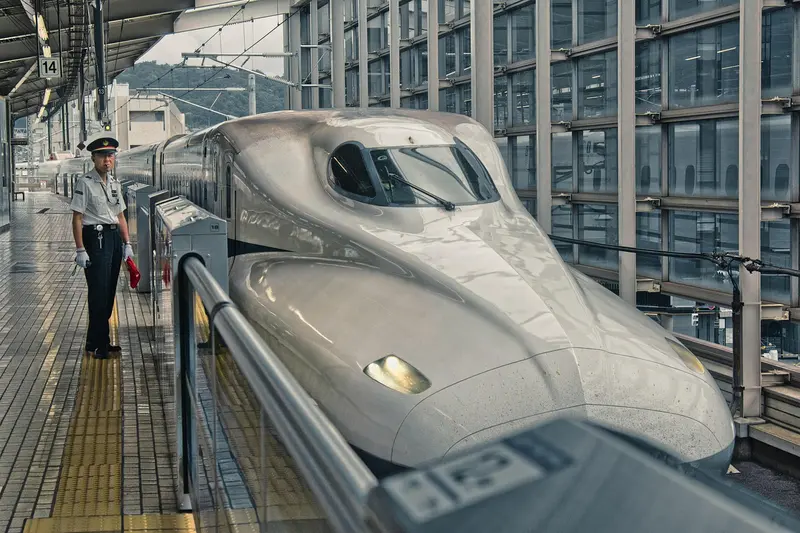
Why Japanese Trains Are Always on Time
You can almost set your watch by them
Model script
Hello, everyone. If you have ridden a train in Japan, you probably noticed something: it arrives exactly on time. Today, I'll explain why Japanese trains are so punctual.
Your recording
Say this slide out loud, then listen to yourself.
Recordings stay on this device and disappear when you leave the page.
Useful phrases
you probably noticed something:
Make the audience curious before you give the point.
punctual
Always on time.
Full script
Read the whole talk.
All slides in one place. Read it through once, then practice slide by slide.
01Why Japanese Trains Are Always on Time
Hello, everyone. If you have ridden a train in Japan, you probably noticed something: it arrives exactly on time. Today, I'll explain why Japanese trains are so punctual.
Здравствуйте, все. Если вы ездили на поезде в Японии, то наверняка заметили одну вещь: он приходит точно по расписанию. Сегодня я объясню, почему японские поезда такие пунктуальные.
02How On Time Are They?
For example, in fiscal 2016, trains on the Tokaido Shinkansen were only twenty-four seconds late on average, even including delays from heavy rain and earthquakes. In big cities, many trains come every few minutes, and they still stay on schedule.
Например, в 2016 финансовом году поезда на линии Токайдо-синкансэн опаздывали в среднем всего на 24 секунды — даже с учётом задержек из-за сильных дождей и землетрясений. В больших городах многие поезда ходят каждые несколько минут и всё равно не выбиваются из графика.
Source: JR Central data for fiscal 2016, reported in Nippon.com, "The Tōkaidō Shinkansen's World-Class Safety, Reliability, and Frequency"
03A Famous Apology
Being on time is so important that, in 2017, a train company apologized because a train left twenty seconds early. The story surprised people all over the world.
Точность так важна, что в 2017 году железнодорожная компания принесла извинения, потому что поезд ушёл на 20 секунд раньше. Эта история удивила людей по всему миру.
Source: Metropolitan Intercity Railway Company (Tsukuba Express), apology in November 2017
04Reason 1: Careful Planning
The first reason is careful planning. Timetables are planned in great detail, and companies build in a little extra time for small problems.
Первая причина — тщательное планирование. Расписания продумываются до мелочей, и компании закладывают немного лишнего времени на мелкие проблемы.
05Reason 2: Skilled Staff
The second reason is skilled staff. Train drivers go through long training, and many staff use a method called pointing and calling: they point at a signal and say it out loud to avoid mistakes.
Вторая причина — опытный персонал. Машинисты проходят долгое обучение, а многие сотрудники используют метод «указать и назвать»: они указывают на сигнал и произносят его вслух, чтобы избежать ошибок.
06Reason 3: A Culture of Being on Time
The third reason is culture. In Japan, many people see being on time as a way of respecting others. Passengers expect trains to be punctual, so companies work hard to meet that expectation.
Третья причина — культура. В Японии многие считают пунктуальность проявлением уважения к другим. Пассажиры ожидают, что поезда будут приходить вовремя, поэтому компании изо всех сил стараются оправдать эти ожидания.
07Conclusion
To sum up, Japanese trains are on time because of careful planning, skilled staff, and a strong culture of punctuality. Next time you ride one, check your watch! Thank you.
Подводя итог: японские поезда приходят вовремя благодаря тщательному планированию, опытному персоналу и сильной культуре пунктуальности. Когда в следующий раз поедете на таком поезде, посмотрите на часы! Спасибо.
Cover photo by ArminEP on Pixabay