英语演讲的示范讲稿与中文翻译。每一页都可以听示范、开口练习。
I Almost Shared a Fake Post
It looked real
1 / 7
Model script
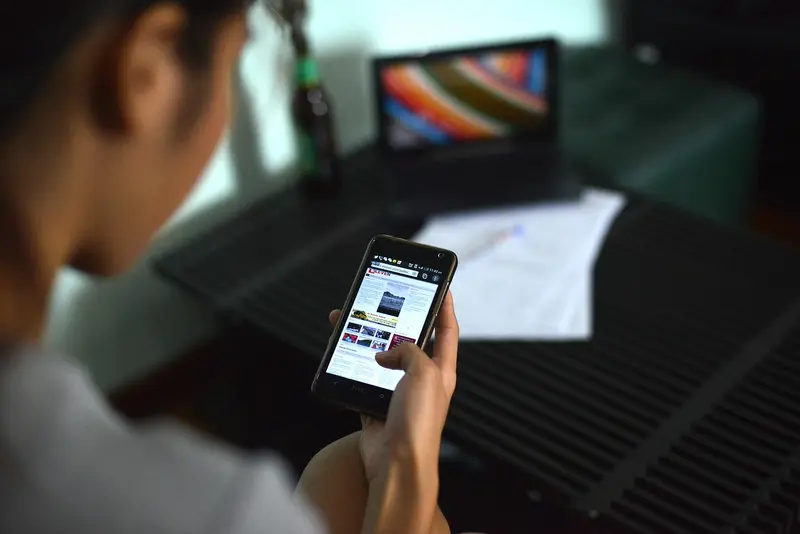
Hi, everyone. Last month, I almost shared a post in my class group chat. It said a famous singer was giving a free concert on our campus. It looked real, with a colorful poster, a date, and a time. My thumb was already on the share button. But it wasn't real. Today, I'll talk about why fake news spreads so easily, and the four quick checks I do now before I share anything.
Your recording
Say this slide out loud, then listen to yourself.
Recordings stay on this device and disappear when you leave the page.
Useful phrases
I almost shared
I nearly shared, but didn't.
It looked real
It seemed true.
spreads so easily
Moves to many people very quickly.
Words
Highlighted words are on this slide. Tap a word to look it up on Google.
Full script
Read the whole talk.
All slides in one place. Read it through once, then practice slide by slide.
01I Almost Shared a Fake Post
Hi, everyone. Last month, I almost shared a post in my class group chat. It said a famous singer was giving a free concert on our campus. It looked real, with a colorful poster, a date, and a time. My thumb was already on the share button. But it wasn't real. Today, I'll talk about why fake news spreads so easily, and the four quick checks I do now before I share anything.
大家好。上个月,我差点在班级群里转发了一条帖子。帖子说一位有名的歌手要在我们学校开免费演唱会。它看起来很真实,有彩色海报,还有日期和时间。我的大拇指已经放在转发按钮上了。但它是假的。今天,我想讲讲为什么假新闻这么容易传播,以及我现在转发之前会做的四个快速检查。
02False News Spreads Faster
This is a big problem. A 2018 study by researchers at MIT looked at news stories shared on Twitter from 2006 to 2017. They found that false news was 70% more likely to be retweeted than true news. And it wasn't mainly because of bots. Even after the researchers removed bots, false news still spread faster. In other words, the problem is us, real people.
这是一个大问题。麻省理工学院的研究人员在2018年发表了一项研究,分析了2006年到2017年在推特上分享的新闻。他们发现,假新闻被转发的可能性比真新闻高70%。而且,这主要不是机器人账号造成的。即使研究人员去掉了机器人账号,假新闻还是传播得更快。换句话说,问题出在我们这些真实的人身上。
Source: Vosoughi, S., Roy, D., & Aral, S. (2018). "The spread of true and false news online." Science, 359(6380)
03Why We Share Fake News
So why do we share it? The same study found that false news was usually more new and surprising than true news. When something is surprising, we want to tell people. I think there are two more reasons. Fake news often makes us feel strongly, like angry or excited. And we share very fast, with one tap, before we stop to think. That's exactly what almost happened to me.
那我们为什么会转发呢?同一项研究发现,假新闻通常比真新闻更新奇、更让人意外。遇到让人意外的事,我们就想告诉别人。我认为还有另外两个原因。假新闻常常让我们情绪激动,比如生气或兴奋。而且我们转发得很快,点一下就发出去了,来不及停下来想一想。这正是我差点遇到的情况。
Source: Vosoughi, S., Roy, D., & Aral, S. (2018). "The spread of true and false news online." Science, 359(6380)
04My Four Checks
So here's my solution. Before I share something, I do four quick checks. First, who posted it? Is it a real news site, an official account, or a person I know? Second, I search the main claim and see if trusted sites say the same thing. Third, I check the date, because old news often comes back as if it's new. And fourth, I wait a moment before sharing, especially if the post makes me angry or excited.
所以,这是我的解决办法。在转发之前,我会做四个快速检查。第一,是谁发的?是真正的新闻网站、官方账号,还是我认识的人?第二,我会搜索主要内容,看看可信的网站是不是也这样说。第三,我会看日期,因为旧新闻常常被当成新闻再次出现。第四,转发之前我会先等一下,特别是当帖子让我生气或兴奋的时候。
05Checking the Concert Post
Let me show you how this worked with the concert post. First, the account was new, with no other posts. Second, when I searched, the concert wasn't on the singer's official page. Third, there was nothing on our university's website either. It took me less than a minute. So I didn't share it. Two days later, the post was gone, and a friend told me the account had been reported as a scam.
我来说说这个方法在那条演唱会帖子上是怎么起作用的。第一,那个账号是新注册的,没有其他帖子。第二,我搜索了一下,歌手的官方页面上并没有这场演唱会。第三,我们大学的网站上也什么都没有。整个过程不到一分钟。所以我没有转发。两天后,那条帖子不见了,一个朋友告诉我,那个账号已经被当作诈骗举报了。
06When You're Not Sure
Now, some people say, "I don't have time to check everything." That's fair. You don't need to check every funny video. But for news, health, money, or anything that makes you angry, check first. And if you can't find the answer, my rule is simple: if I'm not sure, I don't share. Or I say, "I'm not sure this is true. Does anyone know?" That way, people can help check it.
有人会说:“我没有时间什么都去查。”这很有道理。你不需要检查每一个搞笑视频。但如果是新闻、健康、金钱,或者任何让你生气的内容,请先检查。如果找不到答案,我的规则很简单:不确定,就不转发。或者我会说:“我不确定这是不是真的。有人知道吗?”这样,大家就能一起帮忙核实。
07Thirty Seconds Can Stop a Lie
To sum up, false news spreads faster than the truth, and it spreads because of people like us. But that also means we can slow it down. Four quick checks take about thirty seconds. Thirty seconds of checking can stop a lie from spreading. So next time your thumb is on the share button, stop and check first. Thank you. I'm happy to take your questions.
总之,假新闻比真相传播得更快,而它之所以传播,是因为像我们这样的人。但这也意味着,我们可以让它慢下来。四个快速检查大约只需要三十秒。三十秒的检查,就能阻止一个谎言继续传播。所以下次你的大拇指放在转发按钮上时,请先停下来检查一下。谢谢大家。欢迎提问。
Source: Vosoughi, S., Roy, D., & Aral, S. (2018). "The spread of true and false news online." Science, 359(6380)
More Science & Technology presentations



Cover photo by MoteOo on Pixabay
Slide photos by bluebudgie on Pixabay