英語プレゼンのお手本の原稿と日本語訳。スライドごとに、聞いて・話して練習できます。
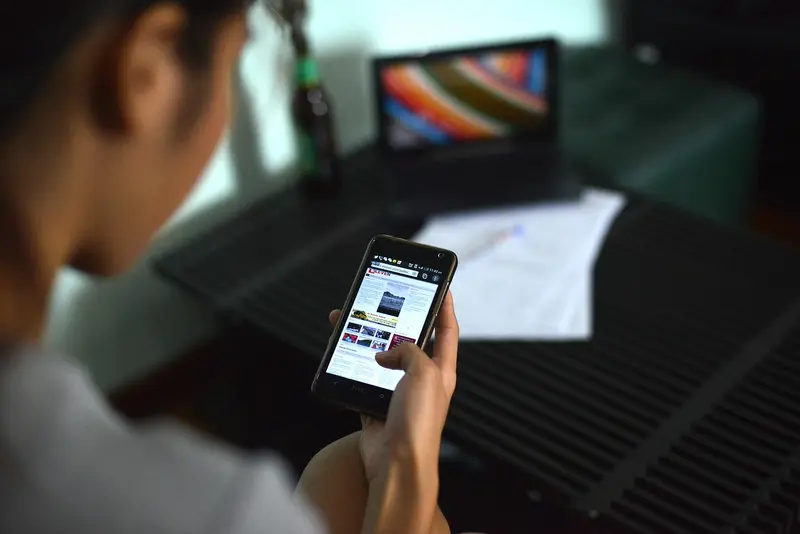
I Almost Shared a Fake Post
It looked real
1 / 7
Model script
Hi, everyone. Last month, I almost shared a post in my class group chat. It said a famous singer was giving a free concert on our campus. It looked real, with a colorful poster, a date, and a time. My thumb was already on the share button. But it wasn't real. Today, I'll talk about why fake news spreads so easily, and the four quick checks I do now before I share anything.
Your recording
Say this slide out loud, then listen to yourself.
Recordings stay on this device and disappear when you leave the page.
Useful phrases
I almost shared
I nearly shared, but didn't.
It looked real
It seemed true.
spreads so easily
Moves to many people very quickly.
Words
Highlighted words are on this slide. Tap a word to look it up on Google.
Full script
Read the whole talk.
All slides in one place. Read it through once, then practice slide by slide.
01I Almost Shared a Fake Post
Hi, everyone. Last month, I almost shared a post in my class group chat. It said a famous singer was giving a free concert on our campus. It looked real, with a colorful poster, a date, and a time. My thumb was already on the share button. But it wasn't real. Today, I'll talk about why fake news spreads so easily, and the four quick checks I do now before I share anything.
みなさん、こんにちは。先月、クラスのグループチャットにある投稿をシェアしそうになりました。有名な歌手が、うちのキャンパスで無料のコンサートをするという内容でした。カラフルなポスターも、日付も時間もあって、本物に見えました。親指はもうシェアのボタンの上にありました。でも、本物ではありませんでした。今日は、フェイクニュースがなぜこんなに簡単に広がるのか、そして今私が何かをシェアする前にしている4つの簡単なチェックについてお話しします。
02False News Spreads Faster
This is a big problem. A 2018 study by researchers at MIT looked at news stories shared on Twitter from 2006 to 2017. They found that false news was 70% more likely to be retweeted than true news. And it wasn't mainly because of bots. Even after the researchers removed bots, false news still spread faster. In other words, the problem is us, real people.
これは大きな問題です。MITの研究者による2018年の研究では、2006年から2017年にツイッターでシェアされたニュースを調べました。その結果、うそのニュースは本当のニュースより70%もリツイートされやすいことが分かりました。しかも、おもな原因は自動で投稿するボットではありませんでした。研究者がボットを取り除いても、うそのニュースのほうが速く広がったのです。言いかえると、問題は私たち、本物の人間なのです。
Source: Vosoughi, S., Roy, D., & Aral, S. (2018). "The spread of true and false news online." Science, 359(6380)
03Why We Share Fake News
So why do we share it? The same study found that false news was usually more new and surprising than true news. When something is surprising, we want to tell people. I think there are two more reasons. Fake news often makes us feel strongly, like angry or excited. And we share very fast, with one tap, before we stop to think. That's exactly what almost happened to me.
では、なぜ私たちはシェアしてしまうのでしょうか。同じ研究では、うそのニュースはたいてい、本当のニュースより目新しく、おどろくような内容だと分かりました。おどろくことがあると、人に伝えたくなります。私は、さらに2つ理由があると思います。フェイクニュースは、怒りや興奮など、強い気持ちにさせることが多いです。そして、立ち止まって考える前に、ワンタップでとても速くシェアしてしまいます。私に起きかけたのも、まさにそれでした。
Source: Vosoughi, S., Roy, D., & Aral, S. (2018). "The spread of true and false news online." Science, 359(6380)
04My Four Checks
So here's my solution. Before I share something, I do four quick checks. First, who posted it? Is it a real news site, an official account, or a person I know? Second, I search the main claim and see if trusted sites say the same thing. Third, I check the date, because old news often comes back as if it's new. And fourth, I wait a moment before sharing, especially if the post makes me angry or excited.
そこで、私の解決策です。何かをシェアする前に、4つの簡単なチェックをします。1つ目、だれが投稿したか。本物のニュースサイトか、公式のアカウントか、知っている人か。2つ目、いちばん大事な内容を検索して、信頼できるサイトも同じことを言っているかを見る。3つ目、日付を確かめる。古いニュースが、新しいもののようにまた出回ることがよくあるからです。そして4つ目、シェアする前に少し待つ。特に、その投稿で怒ったり興奮したりしたときはそうします。
05Checking the Concert Post
Let me show you how this worked with the concert post. First, the account was new, with no other posts. Second, when I searched, the concert wasn't on the singer's official page. Third, there was nothing on our university's website either. It took me less than a minute. So I didn't share it. Two days later, the post was gone, and a friend told me the account had been reported as a scam.
コンサートの投稿で、これがどう役に立ったかをお見せします。まず、投稿したアカウントは新しく、ほかの投稿が1つもありませんでした。次に、検索してみると、そのコンサートは歌手の公式ページに載っていませんでした。さらに、大学のサイトにも何もありませんでした。かかった時間は1分もありません。だから、シェアしませんでした。2日後、その投稿は消えていて、友だちから、そのアカウントは詐欺として通報されていたと聞きました。
06When You're Not Sure
Now, some people say, "I don't have time to check everything." That's fair. You don't need to check every funny video. But for news, health, money, or anything that makes you angry, check first. And if you can't find the answer, my rule is simple: if I'm not sure, I don't share. Or I say, "I'm not sure this is true. Does anyone know?" That way, people can help check it.
さて、「全部を確かめる時間なんてない」と言う人もいます。その気持ちは分かります。おもしろい動画まで全部確かめる必要はありません。でも、ニュース、健康、お金のこと、そして怒りを感じるような投稿は、まず確かめましょう。答えが見つからないときの私のルールはシンプルです。確かでなければ、シェアしない。または、「これが本当かは分からないのですが、だれか知っていますか?」と書きます。そうすれば、みんなで確かめるのを手伝ってもらえます。
07Thirty Seconds Can Stop a Lie
To sum up, false news spreads faster than the truth, and it spreads because of people like us. But that also means we can slow it down. Four quick checks take about thirty seconds. Thirty seconds of checking can stop a lie from spreading. So next time your thumb is on the share button, stop and check first. Thank you. I'm happy to take your questions.
まとめると、うそのニュースは真実より速く広がり、それを広げているのは私たちのような人間です。でもそれは、私たちがそれを遅くできるということでもあります。4つの簡単なチェックは、30秒ほどでできます。30秒の確認で、うそが広がるのを止められるのです。だから次に親指がシェアのボタンの上にあるときは、いったん止まって、まず確かめてください。ありがとうございました。ご質問があればどうぞ。
Source: Vosoughi, S., Roy, D., & Aral, S. (2018). "The spread of true and false news online." Science, 359(6380)
More Science & Technology presentations



Cover photo by MoteOo on Pixabay
Slide photos by bluebudgie on Pixabay