英文簡報的示範講稿與中文翻譯。每一頁都可以聽示範、開口練習。
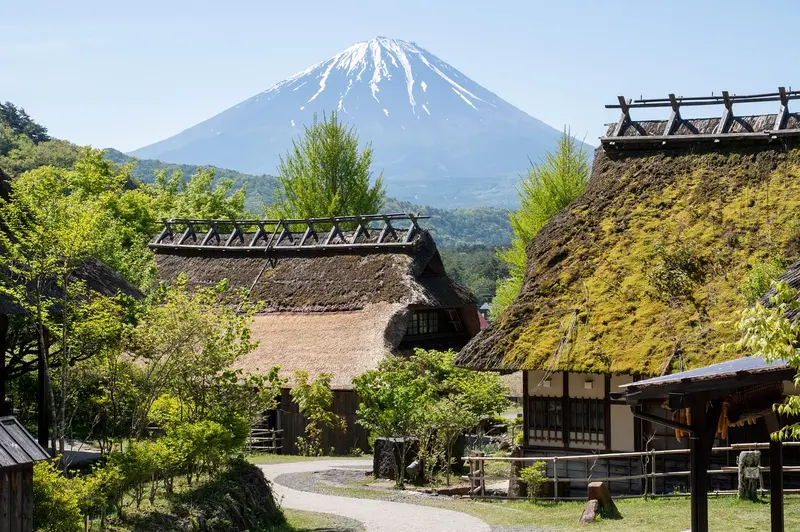
A Picture of Japan in 2070
Fewer people
1 / 8
Model script
Hello, everyone. In 2070, many of us in this room will be in our sixties or seventies. So what kind of country will Japan be by then? Today, I'll use Japan's official population projection to answer that question. First, I'll explain what a projection is. Then I'll show you three big changes: there will be fewer people, the population will be older, and it will be more international. After that, I'll talk about the limits of these numbers. Finally, I'll share my own predictions about what daily life could look like.
Your recording
Say this slide out loud, then listen to yourself.
Recordings stay on this device and disappear when you leave the page.
Useful phrases
many of us in this room
A lot of the people listening now.
to answer that question
To give a reply to the question I just asked.
I'll share my own predictions
I'll tell you what I think will happen.
Words
- population projection
- migration
- scenario
- taxpayers
- foreign residents
- coworkers
- weather forecast
- self-service
- care homes
Highlighted words are on this slide. Tap a word to look it up on Google.
Full script
Read the whole talk.
All slides in one place. Read it through once, then practice slide by slide.
01A Picture of Japan in 2070
Hello, everyone. In 2070, many of us in this room will be in our sixties or seventies. So what kind of country will Japan be by then? Today, I'll use Japan's official population projection to answer that question. First, I'll explain what a projection is. Then I'll show you three big changes: there will be fewer people, the population will be older, and it will be more international. After that, I'll talk about the limits of these numbers. Finally, I'll share my own predictions about what daily life could look like.
大家好。到了2070年,在座很多人都已經六、七十歲了。那麼,到時候日本會是什麼樣的國家呢?今天,我會用日本官方的人口推估來回答這個問題。首先,我會說明什麼是人口推估。接著,我會介紹三個重大的變化:人口會變少、人口會更高齡,社會也會更國際化。然後,我會談談這些數字的限制。最後,我會分享我自己對日常生活可能變成什麼樣子的預測。
02What Is a Projection?
First, what is a projection? Japan's National Institute of Population and Social Security Research, often called IPSS, makes one about every five years. The latest one was published in 2023. A projection is not a guess, and it's not a promise. It shows what will happen if today's trends in births, deaths, and migration continue. I saw these trends in my own family. My grandparents' town had two elementary schools when my mother was a child. Now it has one, because there aren't enough children. Today, I'll use the middle scenario, which is the one most news reports use.
首先,什麼是人口推估?日本的國立社會保障・人口問題研究所,通常簡稱IPSS,大約每五年發布一次推估。最新的一次是在2023年發布的。推估不是隨便猜測,也不是保證。它呈現的是:如果現在出生、死亡和人口移動的趨勢持續下去,會發生什麼事。我在自己家裡就看到了這些趨勢。我媽媽小時候,外公外婆住的小鎮有兩間小學。現在只剩一間了,因為小孩不夠。今天,我會使用中推估,也就是大多數新聞報導採用的版本。
Source: National Institute of Population and Social Security Research (IPSS), "Population Projections for Japan (2023 revision): 2021 to 2070": based on the 2020 Population Census; the medium-fertility, medium-mortality projection is the main scenario
03Change 1: Fewer People
Let's look at the first change: fewer people. According to the IPSS projection, Japan's population was 126.15 million in 2020. By 2070, it's projected to fall to about 87 million. That's about 30% fewer people. To make this easier to imagine, think of a class of ten students. In 2070, that class would have only seven. This matters because fewer people means fewer workers, fewer customers, and fewer taxpayers. So shops, train lines, and hospitals in small towns may be harder to keep open.
我們來看第一個變化:人口變少。根據IPSS的推估,日本人口在2020年是1億2,615萬人。到了2070年,預估會減少到大約8,700萬人。也就是人口少了大約30%。為了比較好想像,可以想想一個有十個學生的班級。到了2070年,這個班只剩下七個人。這件事很重要,因為人變少,代表工作的人、顧客和納稅人都會變少。所以,小鎮上的商店、鐵路路線和醫院,可能會更難繼續經營下去。
Source: National Institute of Population and Social Security Research (IPSS), "Population Projections for Japan (2023 revision)", medium-fertility and medium-mortality projection: total population of 126.15 million in 2020 (census) is projected to fall to 87.00 million in 2070, a decrease of about 30%
04Change 2: An Older Population
My second point is that Japan will be older. According to the government's Annual Report on the Ageing Society, people aged 65 and over were 28.6% of the population in 2020. In 2070, they're projected to be 38.7%. That's about one in every 2.6 people. In other words, if you walk down a street in 2070, almost two out of every five people you see will be 65 or older. This shows that the biggest challenge isn't only the number of people. It's the balance between people who need care and people who can give it.
第二點是,日本會更加高齡化。根據政府的《高齡社會白皮書》,2020年65歲以上的人口占總人口的28.6%。到2070年,預估會達到38.7%。大約每2.6個人就有1位。換句話說,如果你在2070年走在路上,看到的人當中,差不多每五個人就有兩個是65歲以上。這表示,最大的挑戰不只是人口的數量,而是需要照顧的人和能夠提供照顧的人之間的平衡。
Source: Cabinet Office, Government of Japan, "Annual Report on the Ageing Society 2024" (based on IPSS 2023 projections, medium fertility and medium mortality): the share of people aged 65 and over rises from 28.6% in 2020 to 38.7% in 2070, when about 1 in 2.6 people will be 65 or older
05Change 3: More Foreign Residents
Now, let's look at the third change, which surprised me the most. The same projection expects the number of foreign residents to grow from about 2.7 million in 2020 to about 9.4 million in 2070. That would be about one in ten people living in Japan. I already see the start of this. At my part-time job, two of my coworkers are from Vietnam and Nepal, and they often help customers in English. So Japan in 2070 may not only be smaller and older. It may also feel much more international than it does today.
接下來,我們來看第三個變化,這也是最讓我驚訝的一個。同一份推估預計,外國居民的人數會從2020年的大約270萬人,增加到2070年的大約940萬人。也就是說,住在日本的人當中,大約每十個人就有一個是外國人。我已經看到這個變化的開端。在我打工的地方,有兩位同事分別來自越南和尼泊爾,他們常常用英文幫客人的忙。所以,2070年的日本也許不只是人口更少、更高齡,還可能會比現在國際化得多。
Source: National Institute of Population and Social Security Research (IPSS), "Population Projections for Japan (2023 revision)", medium projection: foreign residents increase from about 2.7 million in 2020 to about 9.4 million in 2070, about 10.8% of the total population (as reported by The Japan Times, April 26, 2023)
06The Limits of a Projection
However, we should be careful with these numbers. Some people say a 50-year projection is too uncertain to be useful. That's a fair point. Birth rates can change, and the number of foreign residents depends on an assumption about how many people will move to Japan each year. If the government changes its immigration rules, that number could be very different. But I don't think this makes the projection useless. It's more like a weather forecast for society. It doesn't tell us exactly what will happen, but it tells us what to prepare for.
不過,我們對這些數字要很小心。有人說,50年後的推估太不確定,根本沒什麼用。這個說法有道理。出生率可能會改變,而外國居民的人數,取決於每年會有多少人移居日本的假設。如果政府改變移民規定,這個數字可能會非常不一樣。但我不認為這樣就代表推估沒有用。它比較像是社會的天氣預報。它沒辦法精準告訴我們會發生什麼事,卻能告訴我們該為什麼做準備。
07My Predictions for Daily Life
So, what will daily life look like? These are my own predictions, not facts. First, I think robots and self-service machines will be normal in shops, restaurants, and care homes, because there won't be enough workers. Second, I think many small towns will join together, and some schools and train lines will close, like the school in my grandparents' town. Third, I think working with people from many countries will be normal, even in small companies. That's why I believe learning English and other languages now will be even more useful in 2070.
那麼,日常生活會變成什麼樣子呢?以下是我自己的預測,不是事實。第一,我認為在商店、餐廳和安養機構裡,機器人和自助機器會變得很普遍,因為人手會不夠。第二,我認為很多小鎮會合併,一些學校和鐵路路線會關閉,就像我外公外婆小鎮上的那間學校一樣。第三,我認為就算在小公司,和來自許多國家的人一起工作也會變得很平常。所以,我相信現在學英文和其他語言,到2070年會更加有用。
08Prepare, Don't Panic
To sum up, the official projection shows three big changes for Japan by 2070. It will be smaller, with about 87 million people. It will be older, with about one in 2.6 people aged 65 or over. And it will be more international, with about one in ten people from other countries. These numbers aren't certain, but they tell us what to prepare for. So my message is simple: prepare, don't panic. Thank you for listening. I'm happy to take your questions.
總結來說,官方推估顯示,到2070年,日本會有三個重大的變化。人口會變少,大約剩下8,700萬人。社會會更高齡,大約每2.6個人就有1位是65歲以上。社會也會更國際化,大約每十個人就有一個來自其他國家。這些數字並不確定,但它們告訴我們該為什麼做準備。所以,我想說的很簡單:做好準備,不要驚慌。謝謝大家的聆聽。歡迎大家提問。
Sources: National Institute of Population and Social Security Research (IPSS), "Population Projections for Japan (2023 revision)", medium projection for 2070: total population 87.00 million; foreign residents about 10.8% of the total; Cabinet Office, Government of Japan, "Annual Report on the Ageing Society 2024": 38.7% aged 65 and over in 2070, about 1 in 2.6 people
More Society & Politics presentations


Cover photo by jackmac34 on Pixabay
Slide photos by WOKANDAPIX, wal_172619 on Pixabay