Fewer Than 700,000 Babies: What Japan's 2024 Birth Numbers Mean
AdvancedJapan & Culture英文簡報的示範講稿與中文翻譯。每一頁都可以聽示範、開口練習。
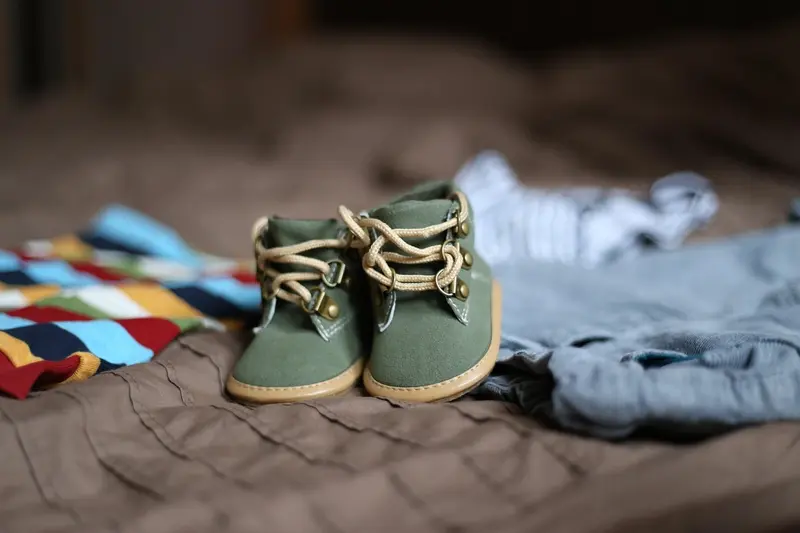
Fewer Than 700,000 Babies
Japan's 2024 birth numbers
Model script
Good afternoon. I'm a graduate student in sociology at a university in Fukuoka. Today, I'd like to talk about one number from Japan's official statistics that made headlines, and what it means for the country.
Your recording
Say this slide out loud, then listen to yourself.
Recordings stay on this device and disappear when you leave the page.
Useful phrases
made headlines
Was big news.
what it means for
What effect it has on.
Full script
Read the whole talk.
All slides in one place. Read it through once, then practice slide by slide.
01Fewer Than 700,000 Babies
Good afternoon. I'm a graduate student in sociology at a university in Fukuoka. Today, I'd like to talk about one number from Japan's official statistics that made headlines, and what it means for the country.
午安。我是福岡一所大學社會學專業的研究生。今天,我想談談日本官方統計中一個登上新聞頭條的數字,以及它對這個國家意味著什麼。
02The Number
According to the Ministry of Health, Labour and Welfare, 686,061 Japanese babies were born in Japan in 2024. That's a drop of 5.7 percent from the year before, and the first time the number has fallen below 700,000 since records began in 1899.
根據厚生勞動省的資料,2024年在日本出生的日本嬰兒為686,061人。比前一年減少了5.7%,這也是自1899年開始統計以來,這個數字首次跌破700,000。
Source: Ministry of Health, Labour and Welfare (MHLW), Japan: 令和6年(2024) 人口動態統計月報年計(概数)の概況 (June 2025)
03The Fertility Rate
The total fertility rate, which estimates how many children a woman will have in her lifetime, fell to 1.15. That's also a record low. For a population to stay the same size without immigration, the rate needs to be around 2.1.
總和生育率,也就是估算一名女性一生中會生育幾個孩子的指標,降到了1.15。這同樣是歷史最低。在沒有移民的情況下,要讓人口規模保持不變,這個比率需要達到2.1左右。
Sources: Ministry of Health, Labour and Welfare (MHLW), Japan: 令和6年(2024) 人口動態統計月報年計(概数)の概況 (June 2025); United Nations, World Population Prospects 2024: Summary of Results (replacement-level fertility: about 2.1 births per woman)
04Nine Years in a Row
This isn't a sudden change. 2024 was the ninth year in a row that births fell. The trend is long and steady, which makes it harder to reverse.
這並不是突然發生的變化。2024年已經是出生人數連續第九年下降。這一趨勢長期而穩定,所以更難扭轉。
Source: Ministry of Health, Labour and Welfare (MHLW), Japan: 令和6年(2024) 人口動態統計月報年計(概数)の概況 (June 2025)
05Why Is This Happening?
There's no single cause. Commonly discussed factors include people marrying later or not at all, the cost of raising and educating children, and long working hours that make family life difficult. These factors are connected, so there's no easy fix.
原因並不只有一個。人們常討論的因素包括:晚婚或不婚、養育和教育孩子的費用,以及讓家庭生活變得困難的長時間工作。這些因素相互關聯,所以沒有簡單的解決辦法。
06Why It Matters
Why does this matter? Fewer babies today means fewer workers in twenty years. At the same time, the number of older people who need pensions and care continues to grow. That puts pressure on the whole system.
為什麼這很重要?今天出生的嬰兒少,就意味著二十年後勞動者會變少。與此同時,需要養老金和照護的老年人還在不斷增加。這給整個體系帶來了壓力。
07What Can Be Done?
What can be done? Many people point to better support for young parents, more flexible work, and fathers taking a bigger share of childcare. Personally, I think money alone won't solve it. Culture and working habits need to change too.
我們能做些什麼?很多人提到,要更好地支援年輕父母,推行更靈活的工作方式,並讓父親承擔更多育兒責任。我個人認為,光靠錢解決不了問題。文化和工作習慣也需要改變。
08Conclusion
In conclusion, 686,061 is more than a statistic. It's a sign of how people feel about their future. A long trend needs a long-term response, and it involves all of us. Thank you.
總之,686,061不只是一個統計數字。它反映了人們對自己未來的感受。長期的趨勢需要長期的應對,而這關係到我們每一個人。謝謝大家。
Source: Ministry of Health, Labour and Welfare (MHLW), Japan: 令和6年(2024) 人口動態統計月報年計(概数)の概況 (June 2025)
Cover photo by sebagee on Pixabay