Fewer Than 700,000 Babies: What Japan's 2024 Birth Numbers Mean
AdvancedJapan & Cultureบทพูดตัวอย่างของพรีเซนเทชันภาษาอังกฤษพร้อมคำแปลภาษาไทย ฟังและฝึกพูดได้ทีละสไลด์
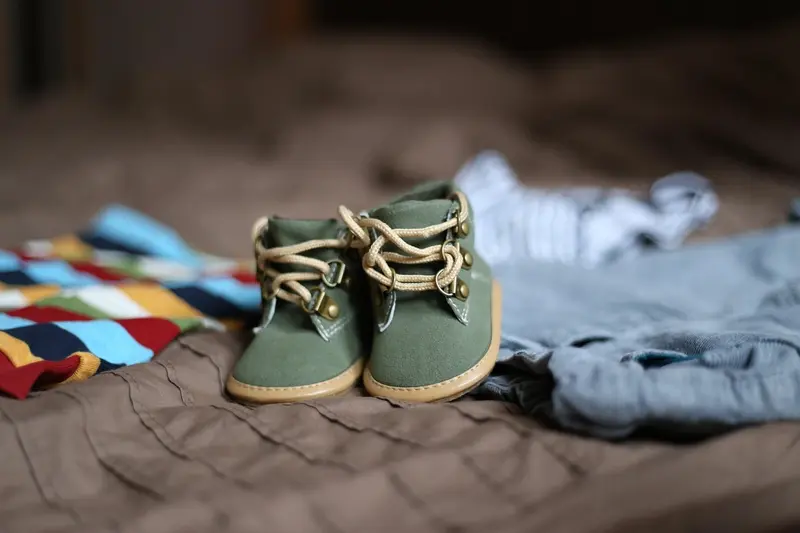
Fewer Than 700,000 Babies
Japan's 2024 birth numbers
Model script
Good afternoon. I'm a graduate student in sociology at a university in Fukuoka. Today, I'd like to talk about one number from Japan's official statistics that made headlines, and what it means for the country.
Your recording
Say this slide out loud, then listen to yourself.
Recordings stay on this device and disappear when you leave the page.
Useful phrases
made headlines
Was big news.
what it means for
What effect it has on.
Full script
Read the whole talk.
All slides in one place. Read it through once, then practice slide by slide.
01Fewer Than 700,000 Babies
Good afternoon. I'm a graduate student in sociology at a university in Fukuoka. Today, I'd like to talk about one number from Japan's official statistics that made headlines, and what it means for the country.
สวัสดีตอนบ่าย ฉันเป็นนักศึกษาบัณฑิตศึกษาสาขาสังคมวิทยาที่มหาวิทยาลัยแห่งหนึ่งในฟุกุโอกะ วันนี้ฉันอยากพูดถึงตัวเลขหนึ่งจากสถิติทางการของญี่ปุ่นที่ขึ้นพาดหัวข่าว และความหมายของมันต่อประเทศ
02The Number
According to the Ministry of Health, Labour and Welfare, 686,061 Japanese babies were born in Japan in 2024. That's a drop of 5.7 percent from the year before, and the first time the number has fallen below 700,000 since records began in 1899.
ตามข้อมูลของกระทรวงสาธารณสุข แรงงาน และสวัสดิการ ในปี 2024 มีทารกชาวญี่ปุ่นเกิดในญี่ปุ่น 686,061 คน ลดลง 5.7% จากปีก่อน และเป็นครั้งแรกที่ตัวเลขต่ำกว่า 700,000 นับตั้งแต่เริ่มบันทึกในปี 1899
Source: Ministry of Health, Labour and Welfare (MHLW), Japan: 令和6年(2024) 人口動態統計月報年計(概数)の概況 (June 2025)
03The Fertility Rate
The total fertility rate, which estimates how many children a woman will have in her lifetime, fell to 1.15. That's also a record low. For a population to stay the same size without immigration, the rate needs to be around 2.1.
อัตราเจริญพันธุ์รวม ซึ่งประมาณว่าผู้หญิงหนึ่งคนจะมีลูกกี่คนตลอดชีวิต ลดลงเหลือ 1.15 ซึ่งก็เป็นสถิติต่ำสุดเช่นกัน หากต้องการให้ประชากรคงขนาดเดิมโดยไม่มีผู้อพยพ อัตรานี้ต้องอยู่ที่ประมาณ 2.1
Sources: Ministry of Health, Labour and Welfare (MHLW), Japan: 令和6年(2024) 人口動態統計月報年計(概数)の概況 (June 2025); United Nations, World Population Prospects 2024: Summary of Results (replacement-level fertility: about 2.1 births per woman)
04Nine Years in a Row
This isn't a sudden change. 2024 was the ninth year in a row that births fell. The trend is long and steady, which makes it harder to reverse.
นี่ไม่ใช่การเปลี่ยนแปลงแบบฉับพลัน ปี 2024 เป็นปีที่เก้าติดต่อกันที่จำนวนการเกิดลดลง แนวโน้มนี้ยาวนานและต่อเนื่อง จึงพลิกกลับได้ยากขึ้น
Source: Ministry of Health, Labour and Welfare (MHLW), Japan: 令和6年(2024) 人口動態統計月報年計(概数)の概況 (June 2025)
05Why Is This Happening?
There's no single cause. Commonly discussed factors include people marrying later or not at all, the cost of raising and educating children, and long working hours that make family life difficult. These factors are connected, so there's no easy fix.
ไม่มีสาเหตุเดียว ปัจจัยที่มักถูกพูดถึง ได้แก่ การที่ผู้คนแต่งงานช้าลงหรือไม่แต่งงานเลย ค่าใช้จ่ายในการเลี้ยงดูและให้การศึกษาลูก และชั่วโมงทำงานที่ยาวนานซึ่งทำให้ชีวิตครอบครัวยากลำบาก ปัจจัยเหล่านี้เชื่อมโยงกัน จึงไม่มีทางแก้ที่ง่าย
06Why It Matters
Why does this matter? Fewer babies today means fewer workers in twenty years. At the same time, the number of older people who need pensions and care continues to grow. That puts pressure on the whole system.
ทำไมเรื่องนี้ถึงสำคัญ ทารกที่น้อยลงในวันนี้หมายถึงแรงงานที่น้อยลงในอีก 20 ปี ในขณะเดียวกัน จำนวนผู้สูงอายุที่ต้องการเงินบำนาญและการดูแลก็เพิ่มขึ้นเรื่อย ๆ สิ่งนี้สร้างแรงกดดันต่อทั้งระบบ
07What Can Be Done?
What can be done? Many people point to better support for young parents, more flexible work, and fathers taking a bigger share of childcare. Personally, I think money alone won't solve it. Culture and working habits need to change too.
แล้วจะทำอะไรได้บ้าง หลายคนชี้ไปที่การสนับสนุนพ่อแม่รุ่นใหม่ให้มากขึ้น การทำงานที่ยืดหยุ่นขึ้น และการที่คุณพ่อมีส่วนร่วมในการเลี้ยงลูกมากขึ้น โดยส่วนตัว ฉันคิดว่าเงินอย่างเดียวแก้ปัญหาไม่ได้ วัฒนธรรมและนิสัยการทำงานก็ต้องเปลี่ยนด้วย
08Conclusion
In conclusion, 686,061 is more than a statistic. It's a sign of how people feel about their future. A long trend needs a long-term response, and it involves all of us. Thank you.
โดยสรุป 686,061 เป็นมากกว่าตัวเลขสถิติ มันเป็นสัญญาณว่าผู้คนรู้สึกอย่างไรกับอนาคตของตัวเอง แนวโน้มที่ยาวนานต้องการการตอบสนองในระยะยาว และเกี่ยวข้องกับพวกเราทุกคน ขอบคุณ
Source: Ministry of Health, Labour and Welfare (MHLW), Japan: 令和6年(2024) 人口動態統計月報年計(概数)の概況 (June 2025)
Cover photo by sebagee on Pixabay