Fewer Than 700,000 Babies: What Japan's 2024 Birth Numbers Mean
AdvancedJapan & Culture영어 프레젠테이션 모범 원고와 한국어 번역. 슬라이드마다 듣고 말하며 연습할 수 있습니다.
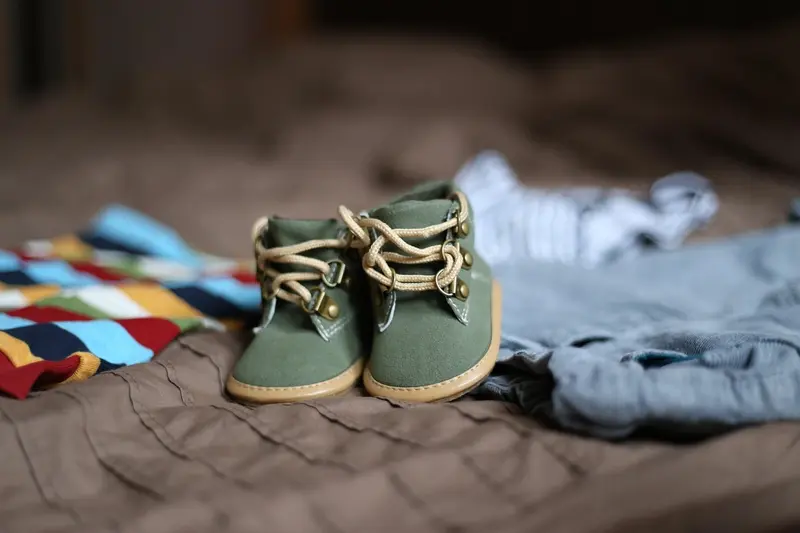
Fewer Than 700,000 Babies
Japan's 2024 birth numbers
Model script
Good afternoon. I'm a graduate student in sociology at a university in Fukuoka. Today, I'd like to talk about one number from Japan's official statistics that made headlines, and what it means for the country.
Your recording
Say this slide out loud, then listen to yourself.
Recordings stay on this device and disappear when you leave the page.
Useful phrases
made headlines
Was big news.
what it means for
What effect it has on.
Full script
Read the whole talk.
All slides in one place. Read it through once, then practice slide by slide.
01Fewer Than 700,000 Babies
Good afternoon. I'm a graduate student in sociology at a university in Fukuoka. Today, I'd like to talk about one number from Japan's official statistics that made headlines, and what it means for the country.
안녕하세요. 저는 후쿠오카의 한 대학에서 사회학을 공부하는 대학원생입니다. 오늘은 뉴스 헤드라인을 장식한 일본 공식 통계의 숫자 하나와, 그것이 이 나라에 어떤 의미인지 이야기하고 싶습니다.
02The Number
According to the Ministry of Health, Labour and Welfare, 686,061 Japanese babies were born in Japan in 2024. That's a drop of 5.7 percent from the year before, and the first time the number has fallen below 700,000 since records began in 1899.
후생노동성에 따르면, 2024년 일본에서 태어난 일본인 아기는 686,061명이었습니다. 전년보다 5.7% 줄었고, 1899년 기록을 시작한 이래 처음으로 700,000명 아래로 떨어졌습니다.
Source: Ministry of Health, Labour and Welfare (MHLW), Japan: 令和6年(2024) 人口動態統計月報年計(概数)の概況 (June 2025)
03The Fertility Rate
The total fertility rate, which estimates how many children a woman will have in her lifetime, fell to 1.15. That's also a record low. For a population to stay the same size without immigration, the rate needs to be around 2.1.
여성 한 명이 평생 낳을 것으로 예상되는 아이 수를 나타내는 합계 출산율은 1.15로 떨어졌습니다. 이것도 역대 최저입니다. 이민 없이 인구가 같은 규모를 유지하려면 이 수치가 약 2.1이 되어야 합니다.
Sources: Ministry of Health, Labour and Welfare (MHLW), Japan: 令和6年(2024) 人口動態統計月報年計(概数)の概況 (June 2025); United Nations, World Population Prospects 2024: Summary of Results (replacement-level fertility: about 2.1 births per woman)
04Nine Years in a Row
This isn't a sudden change. 2024 was the ninth year in a row that births fell. The trend is long and steady, which makes it harder to reverse.
이것은 갑작스러운 변화가 아닙니다. 2024년은 출생아 수가 9년 연속으로 줄어든 해였습니다. 추세가 길고 꾸준하기 때문에 되돌리기가 더 어렵습니다.
Source: Ministry of Health, Labour and Welfare (MHLW), Japan: 令和6年(2024) 人口動態統計月報年計(概数)の概況 (June 2025)
05Why Is This Happening?
There's no single cause. Commonly discussed factors include people marrying later or not at all, the cost of raising and educating children, and long working hours that make family life difficult. These factors are connected, so there's no easy fix.
원인은 하나가 아닙니다. 흔히 거론되는 요인으로는 결혼을 늦게 하거나 아예 하지 않는 것, 아이를 키우고 교육하는 비용, 그리고 가정생활을 어렵게 만드는 긴 노동 시간이 있습니다. 이 요인들은 서로 얽혀 있어서 쉬운 해결책이 없습니다.
06Why It Matters
Why does this matter? Fewer babies today means fewer workers in twenty years. At the same time, the number of older people who need pensions and care continues to grow. That puts pressure on the whole system.
이게 왜 중요할까요? 오늘 태어나는 아기가 적다는 것은 20년 뒤 일할 사람이 적다는 뜻입니다. 동시에 연금과 돌봄이 필요한 노인의 수는 계속 늘어납니다. 이것이 제도 전체에 부담을 줍니다.
07What Can Be Done?
What can be done? Many people point to better support for young parents, more flexible work, and fathers taking a bigger share of childcare. Personally, I think money alone won't solve it. Culture and working habits need to change too.
무엇을 할 수 있을까요? 많은 사람들이 젊은 부모에 대한 더 나은 지원, 더 유연한 근무, 그리고 아빠들이 육아를 더 많이 나누는 것을 꼽습니다. 저는 개인적으로 돈만으로는 해결되지 않는다고 생각합니다. 문화와 일하는 습관도 바뀌어야 합니다.
08Conclusion
In conclusion, 686,061 is more than a statistic. It's a sign of how people feel about their future. A long trend needs a long-term response, and it involves all of us. Thank you.
결론적으로, 686,061은 단순한 통계 이상입니다. 사람들이 자신의 미래를 어떻게 느끼는지 보여 주는 신호입니다. 긴 추세에는 장기적인 대응이 필요하고, 그것은 우리 모두와 관련된 일입니다. 감사합니다.
Source: Ministry of Health, Labour and Welfare (MHLW), Japan: 令和6年(2024) 人口動態統計月報年計(概数)の概況 (June 2025)
Cover photo by sebagee on Pixabay