Fewer Than 700,000 Babies: What Japan's 2024 Birth Numbers Mean
AdvancedJapan & CultureMusterskript einer englischen Präsentation mit deutscher Übersetzung. Hören und üben, Folie für Folie.
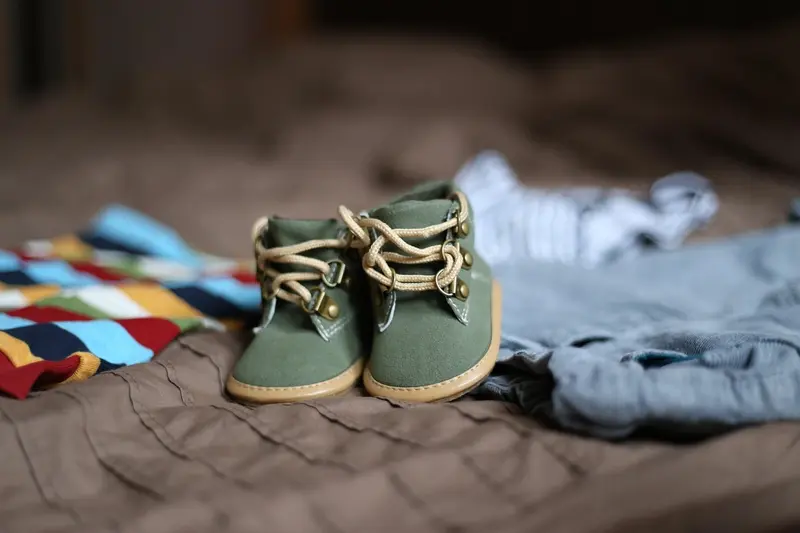
Fewer Than 700,000 Babies
Japan's 2024 birth numbers
Model script
Good afternoon. I'm a graduate student in sociology at a university in Fukuoka. Today, I'd like to talk about one number from Japan's official statistics that made headlines, and what it means for the country.
Your recording
Say this slide out loud, then listen to yourself.
Recordings stay on this device and disappear when you leave the page.
Useful phrases
made headlines
Was big news.
what it means for
What effect it has on.
Full script
Read the whole talk.
All slides in one place. Read it through once, then practice slide by slide.
01Fewer Than 700,000 Babies
Good afternoon. I'm a graduate student in sociology at a university in Fukuoka. Today, I'd like to talk about one number from Japan's official statistics that made headlines, and what it means for the country.
Guten Tag. Ich studiere Soziologie im Aufbaustudium an einer Universität in Fukuoka. Heute möchte ich über eine Zahl aus Japans amtlicher Statistik sprechen, die Schlagzeilen gemacht hat, und darüber, was sie für das Land bedeutet.
02The Number
According to the Ministry of Health, Labour and Welfare, 686,061 Japanese babies were born in Japan in 2024. That's a drop of 5.7 percent from the year before, and the first time the number has fallen below 700,000 since records began in 1899.
Laut dem Ministerium für Gesundheit, Arbeit und Soziales wurden 2024 in Japan 686,061 japanische Babys geboren. Das ist ein Rückgang um 5.7% gegenüber dem Vorjahr und das erste Mal seit Beginn der Aufzeichnungen im Jahr 1899, dass die Zahl unter 700,000 gefallen ist.
Source: Ministry of Health, Labour and Welfare (MHLW), Japan: 令和6年(2024) 人口動態統計月報年計(概数)の概況 (June 2025)
03The Fertility Rate
The total fertility rate, which estimates how many children a woman will have in her lifetime, fell to 1.15. That's also a record low. For a population to stay the same size without immigration, the rate needs to be around 2.1.
Die zusammengefasste Geburtenziffer, die schätzt, wie viele Kinder eine Frau im Laufe ihres Lebens bekommt, sank auf 1.15. Auch das ist ein Rekordtief. Damit eine Bevölkerung ohne Zuwanderung gleich groß bleibt, müsste der Wert bei etwa 2.1 liegen.
Sources: Ministry of Health, Labour and Welfare (MHLW), Japan: 令和6年(2024) 人口動態統計月報年計(概数)の概況 (June 2025); United Nations, World Population Prospects 2024: Summary of Results (replacement-level fertility: about 2.1 births per woman)
04Nine Years in a Row
This isn't a sudden change. 2024 was the ninth year in a row that births fell. The trend is long and steady, which makes it harder to reverse.
Das ist keine plötzliche Veränderung. 2024 war das neunte Jahr in Folge, in dem die Geburtenzahl gesunken ist. Der Trend ist lang und stetig, und das macht es schwerer, ihn umzukehren.
Source: Ministry of Health, Labour and Welfare (MHLW), Japan: 令和6年(2024) 人口動態統計月報年計(概数)の概況 (June 2025)
05Why Is This Happening?
There's no single cause. Commonly discussed factors include people marrying later or not at all, the cost of raising and educating children, and long working hours that make family life difficult. These factors are connected, so there's no easy fix.
Es gibt nicht die eine Ursache. Häufig diskutierte Faktoren sind, dass Menschen später oder gar nicht heiraten, die Kosten für Erziehung und Ausbildung von Kindern und lange Arbeitszeiten, die das Familienleben erschweren. Diese Faktoren hängen zusammen, deshalb gibt es keine einfache Lösung.
06Why It Matters
Why does this matter? Fewer babies today means fewer workers in twenty years. At the same time, the number of older people who need pensions and care continues to grow. That puts pressure on the whole system.
Warum ist das wichtig? Weniger Babys heute bedeuten in 20 Jahren weniger Arbeitskräfte. Gleichzeitig wächst die Zahl älterer Menschen, die Renten und Pflege brauchen, weiter. Das setzt das ganze System unter Druck.
07What Can Be Done?
What can be done? Many people point to better support for young parents, more flexible work, and fathers taking a bigger share of childcare. Personally, I think money alone won't solve it. Culture and working habits need to change too.
Was kann man tun? Viele nennen eine bessere Unterstützung junger Eltern, flexiblere Arbeit und einen größeren Anteil der Väter an der Kinderbetreuung. Ich persönlich glaube, dass Geld allein das Problem nicht lösen wird. Auch die Kultur und die Arbeitsgewohnheiten müssen sich ändern.
08Conclusion
In conclusion, 686,061 is more than a statistic. It's a sign of how people feel about their future. A long trend needs a long-term response, and it involves all of us. Thank you.
Zum Schluss: 686,061 ist mehr als eine Statistik. Es ist ein Zeichen dafür, wie Menschen über ihre Zukunft denken. Ein langer Trend braucht eine langfristige Antwort, und sie betrifft uns alle. Vielen Dank.
Source: Ministry of Health, Labour and Welfare (MHLW), Japan: 令和6年(2024) 人口動態統計月報年計(概数)の概況 (June 2025)
Cover photo by sebagee on Pixabay