Fewer Than 700,000 Babies: What Japan's 2024 Birth Numbers Mean
AdvancedJapan & Culture英語プレゼンのお手本の原稿と日本語訳。スライドごとに、聞いて・話して練習できます。
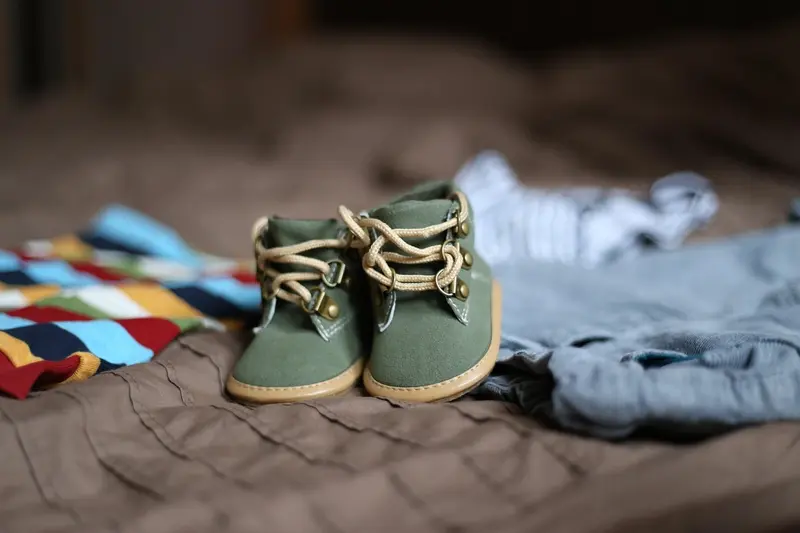
Fewer Than 700,000 Babies
Japan's 2024 birth numbers
Model script
Good afternoon. I'm a graduate student in sociology at a university in Fukuoka. Today, I'd like to talk about one number from Japan's official statistics that made headlines, and what it means for the country.
Your recording
Say this slide out loud, then listen to yourself.
Recordings stay on this device and disappear when you leave the page.
Useful phrases
made headlines
Was big news.
what it means for
What effect it has on.
Full script
Read the whole talk.
All slides in one place. Read it through once, then practice slide by slide.
01Fewer Than 700,000 Babies
Good afternoon. I'm a graduate student in sociology at a university in Fukuoka. Today, I'd like to talk about one number from Japan's official statistics that made headlines, and what it means for the country.
こんにちは。私は福岡の大学院で社会学を学んでいる学生です。今日は、ニュースで大きく取り上げられた日本の公式統計の数字を一つと、それがこの国にとって何を意味するのかについてお話ししたいと思います。
02The Number
According to the Ministry of Health, Labour and Welfare, 686,061 Japanese babies were born in Japan in 2024. That's a drop of 5.7 percent from the year before, and the first time the number has fallen below 700,000 since records began in 1899.
厚生労働省によると、2024年に日本で生まれた日本人の赤ちゃんは686,061人でした。前の年から5.7%減り、記録が始まった1899年以来、初めて70万人を下回りました。
Source: Ministry of Health, Labour and Welfare (MHLW), Japan: 令和6年(2024) 人口動態統計月報年計(概数)の概況 (June 2025)
03The Fertility Rate
The total fertility rate, which estimates how many children a woman will have in her lifetime, fell to 1.15. That's also a record low. For a population to stay the same size without immigration, the rate needs to be around 2.1.
一人の女性が生涯に産む子どもの数を推計する合計特殊出生率は、1.15に下がりました。これも過去最低です。移民がなくても人口を同じ規模に保つには、この数字が2.1くらい必要です。
Sources: Ministry of Health, Labour and Welfare (MHLW), Japan: 令和6年(2024) 人口動態統計月報年計(概数)の概況 (June 2025); United Nations, World Population Prospects 2024: Summary of Results (replacement-level fertility: about 2.1 births per woman)
04Nine Years in a Row
This isn't a sudden change. 2024 was the ninth year in a row that births fell. The trend is long and steady, which makes it harder to reverse.
これは急な変化ではありません。2024年で、出生数は9年連続で減りました。長く着実な流れなので、元に戻すのはより難しいのです。
Source: Ministry of Health, Labour and Welfare (MHLW), Japan: 令和6年(2024) 人口動態統計月報年計(概数)の概況 (June 2025)
05Why Is This Happening?
There's no single cause. Commonly discussed factors include people marrying later or not at all, the cost of raising and educating children, and long working hours that make family life difficult. These factors are connected, so there's no easy fix.
原因は一つではありません。よく話題になるのは、結婚が遅くなったり、結婚しなかったりする人が増えていること、子どもを育てて教育するのにかかるお金、そして家庭生活を難しくする長時間労働です。これらはつながり合っているので、簡単な解決策はありません。
06Why It Matters
Why does this matter? Fewer babies today means fewer workers in twenty years. At the same time, the number of older people who need pensions and care continues to grow. That puts pressure on the whole system.
なぜこれが重要なのでしょうか?今生まれる赤ちゃんが少ないということは、20年後に働く人が少なくなるということです。同時に、年金や介護が必要なお年寄りの数は増え続けています。それが、社会の仕組み全体に重くのしかかります。
07What Can Be Done?
What can be done? Many people point to better support for young parents, more flexible work, and fathers taking a bigger share of childcare. Personally, I think money alone won't solve it. Culture and working habits need to change too.
何ができるでしょうか?多くの人が挙げるのは、若い親への支援の充実、もっと柔軟な働き方、そして父親が育児をもっと多く担うことです。個人的には、お金だけでは解決しないと思います。文化や働き方も変わる必要があります。
08Conclusion
In conclusion, 686,061 is more than a statistic. It's a sign of how people feel about their future. A long trend needs a long-term response, and it involves all of us. Thank you.
まとめると、686,061という数字は、ただの統計ではありません。人々が自分の未来をどう感じているかを表すしるしです。長い流れには長い目で見た対応が必要で、それは私たち全員にかかわることです。ありがとうございました。
Source: Ministry of Health, Labour and Welfare (MHLW), Japan: 令和6年(2024) 人口動態統計月報年計(概数)の概況 (June 2025)
Cover photo by sebagee on Pixabay