Fewer Than 700,000 Babies: What Japan's 2024 Birth Numbers Mean
AdvancedJapan & CultureОбразец текста презентации на английском с переводом на русский. Слушайте и тренируйтесь говорить слайд за слайдом.
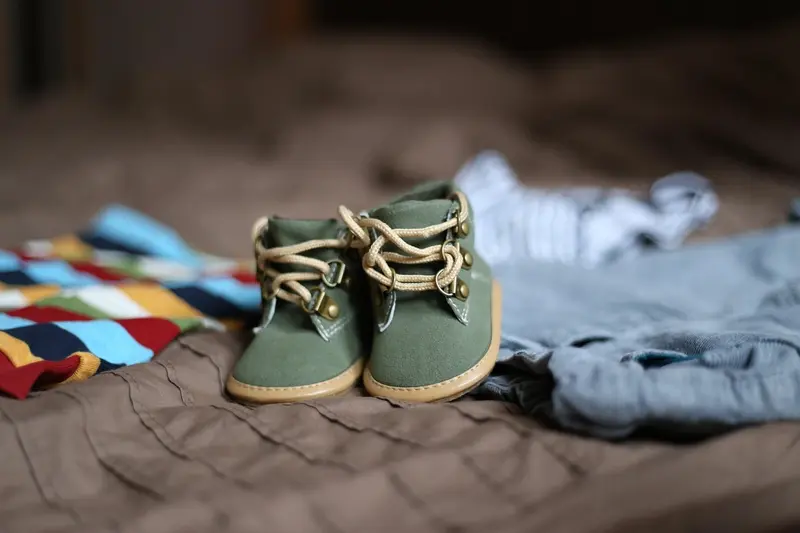
Fewer Than 700,000 Babies
Japan's 2024 birth numbers
Model script
Good afternoon. I'm a graduate student in sociology at a university in Fukuoka. Today, I'd like to talk about one number from Japan's official statistics that made headlines, and what it means for the country.
Your recording
Say this slide out loud, then listen to yourself.
Recordings stay on this device and disappear when you leave the page.
Useful phrases
made headlines
Was big news.
what it means for
What effect it has on.
Full script
Read the whole talk.
All slides in one place. Read it through once, then practice slide by slide.
01Fewer Than 700,000 Babies
Good afternoon. I'm a graduate student in sociology at a university in Fukuoka. Today, I'd like to talk about one number from Japan's official statistics that made headlines, and what it means for the country.
Добрый день. Я учусь в магистратуре по социологии в университете в Фукуоке. Сегодня я хочу поговорить об одном числе из официальной статистики Японии, которое попало в заголовки, и о том, что оно значит для страны.
02The Number
According to the Ministry of Health, Labour and Welfare, 686,061 Japanese babies were born in Japan in 2024. That's a drop of 5.7 percent from the year before, and the first time the number has fallen below 700,000 since records began in 1899.
По данным Министерства здравоохранения, труда и социального обеспечения, в 2024 году в Японии родился 686,061 японский ребёнок. Это на 5.7% меньше, чем годом ранее, и впервые с начала статистики в 1899 году это число опустилось ниже 700,000.
Source: Ministry of Health, Labour and Welfare (MHLW), Japan: 令和6年(2024) 人口動態統計月報年計(概数)の概況 (June 2025)
03The Fertility Rate
The total fertility rate, which estimates how many children a woman will have in her lifetime, fell to 1.15. That's also a record low. For a population to stay the same size without immigration, the rate needs to be around 2.1.
Суммарный коэффициент рождаемости, который показывает, сколько детей в среднем родит женщина за свою жизнь, упал до 1.15. Это тоже исторический минимум. Чтобы население без иммиграции оставалось той же численности, этот показатель должен быть около 2.1.
Sources: Ministry of Health, Labour and Welfare (MHLW), Japan: 令和6年(2024) 人口動態統計月報年計(概数)の概況 (June 2025); United Nations, World Population Prospects 2024: Summary of Results (replacement-level fertility: about 2.1 births per woman)
04Nine Years in a Row
This isn't a sudden change. 2024 was the ninth year in a row that births fell. The trend is long and steady, which makes it harder to reverse.
Это не внезапная перемена. 2024 год стал девятым годом подряд, когда рождаемость снижалась. Тенденция долгая и устойчивая, и поэтому её труднее переломить.
Source: Ministry of Health, Labour and Welfare (MHLW), Japan: 令和6年(2024) 人口動態統計月報年計(概数)の概況 (June 2025)
05Why Is This Happening?
There's no single cause. Commonly discussed factors include people marrying later or not at all, the cost of raising and educating children, and long working hours that make family life difficult. These factors are connected, so there's no easy fix.
Единой причины нет. Среди часто обсуждаемых факторов — то, что люди позже вступают в брак или не вступают вовсе, расходы на воспитание и образование детей и долгий рабочий день, из-за которого трудно совмещать работу и семью. Эти факторы связаны между собой, поэтому простого решения нет.
06Why It Matters
Why does this matter? Fewer babies today means fewer workers in twenty years. At the same time, the number of older people who need pensions and care continues to grow. That puts pressure on the whole system.
Почему это важно? Меньше детей сегодня — значит меньше работников через 20 лет. В то же время число пожилых людей, которым нужны пенсии и уход, продолжает расти. Это создаёт нагрузку на всю систему.
07What Can Be Done?
What can be done? Many people point to better support for young parents, more flexible work, and fathers taking a bigger share of childcare. Personally, I think money alone won't solve it. Culture and working habits need to change too.
Что можно сделать? Многие говорят о лучшей поддержке молодых родителей, более гибкой работе и о том, чтобы отцы брали на себя больше заботы о детях. Лично я думаю, что одними деньгами это не решить. Культура и рабочие привычки тоже должны измениться.
08Conclusion
In conclusion, 686,061 is more than a statistic. It's a sign of how people feel about their future. A long trend needs a long-term response, and it involves all of us. Thank you.
В заключение: 686,061 — это больше, чем просто статистика. Это знак того, как люди смотрят на своё будущее. Долгая тенденция требует долгосрочного ответа, и это касается всех нас. Спасибо.
Source: Ministry of Health, Labour and Welfare (MHLW), Japan: 令和6年(2024) 人口動態統計月報年計(概数)の概況 (June 2025)
Cover photo by sebagee on Pixabay