Should Japan Bring Back Daylight Saving Time?
AdvancedJapan & CultureMusterskript einer englischen Präsentation mit deutscher Übersetzung. Hören und üben, Folie für Folie.
Should Japan Bring Back Daylight Saving Time?
Changing the clocks in summer
Model script
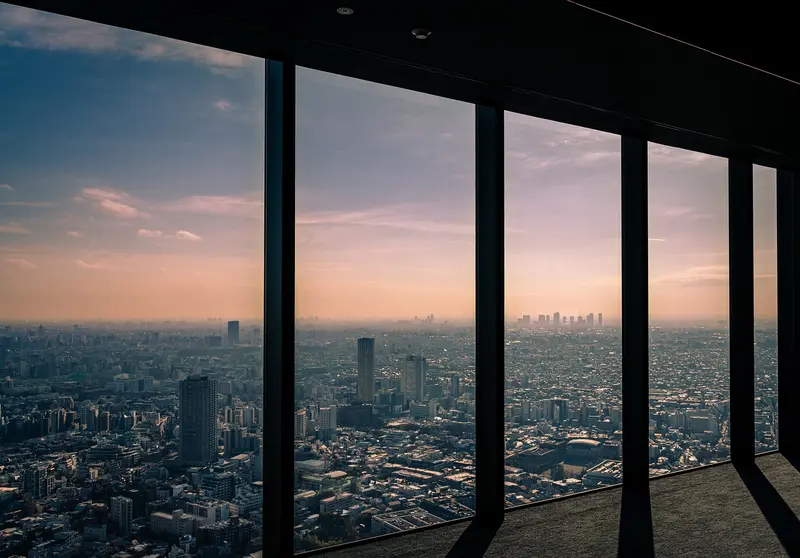
Good afternoon. I'm an engineer from Australia, working in Tokyo. Every summer here, the sun rises before five a.m., and I wonder why the clocks never change. Today, let's look at whether Japan should use daylight saving time.
Your recording
Say this slide out loud, then listen to yourself.
Recordings stay on this device and disappear when you leave the page.
Useful phrases
I wonder why
I ask myself why.
let's look at whether
Let's think about if.
Full script
Read the whole talk.
All slides in one place. Read it through once, then practice slide by slide.
01Should Japan Bring Back Daylight Saving Time?
Good afternoon. I'm an engineer from Australia, working in Tokyo. Every summer here, the sun rises before five a.m., and I wonder why the clocks never change. Today, let's look at whether Japan should use daylight saving time.
Guten Tag. Ich komme aus Australien und arbeite als Teil eines Ingenieurteams in Tokio. Jeden Sommer geht hier die Sonne vor fünf Uhr morgens auf, und ich frage mich, warum die Uhren nie umgestellt werden. Heute schauen wir uns an, ob Japan die Sommerzeit einführen sollte.
02Japan Tried It Before
Interestingly, Japan has tried this before. During the postwar occupation, Japan used daylight saving time from 1948 to 1951. It was unpopular, and it was abolished, partly because people felt it made their working days longer.
Interessanterweise hat Japan das schon einmal versucht. Während der Besatzungszeit nach dem Krieg galt in Japan von 1948 bis 1951 die Sommerzeit. Sie war unbeliebt und wurde abgeschafft, unter anderem, weil die Menschen das Gefühl hatten, dass ihre Arbeitstage dadurch länger wurden.
Sources: Japan: 夏時刻法 (Summer Time Act, Act No. 29 of 1948), in force 1948, repealed April 11, 1952; summer time observed 1948–1951; Japan Today, "Daylight savings promoted as a possible fix to Japan's stagnated economy"
03For: Using Summer Mornings Better
Supporters say Japan wastes its summer mornings. In June, it's bright long before most people wake up. Moving the clocks forward would give people more daylight in the evening, after work or school.
Befürworter sagen, Japan verschwende seine Sommermorgen. Im Juni ist es hell, lange bevor die meisten Menschen aufwachen. Wenn man die Uhren vorstellt, hätten die Menschen abends nach der Arbeit oder Schule mehr Tageslicht.
04For: Leisure and Spending
They also argue that brighter evenings encourage people to go out, exercise, eat at restaurants, and enjoy hobbies. Some see it as a way to improve quality of life.
Sie argumentieren auch, dass hellere Abende die Menschen dazu bringen, auszugehen, Sport zu treiben, im Restaurant zu essen und Hobbys nachzugehen. Manche sehen darin eine Möglichkeit, die Lebensqualität zu verbessern.
05Against: Longer Working Days
On the other hand, critics worry that in Japan's work culture, brighter evenings might just mean longer working hours. That was one of the complaints in the 1950s, and some say it could happen again.
Kritiker befürchten dagegen, dass hellere Abende in Japans Arbeitskultur einfach längere Arbeitszeiten bedeuten könnten. Das war eine der Beschwerden in den 1950er Jahren, und manche sagen, es könnte wieder passieren.
Source: Japan Today, "Daylight savings promoted as a possible fix to Japan's stagnated economy"
06Against: Health and Systems
Critics also point to the twice-a-year clock change. Losing an hour of sleep can leave people tired, and updating computer systems, train timetables, and devices across the whole country would be costly.
Kritiker verweisen auch auf die Zeitumstellung zweimal im Jahr. Eine Stunde weniger Schlaf kann Menschen müde machen, und Computersysteme, Zugfahrpläne und Geräte im ganzen Land umzustellen, wäre teuer.
07My View
In my view, the goal makes sense, but the method doesn't. Instead of changing every clock in the country, companies and schools could simply start earlier in summer. That gives people brighter evenings without the costs.
Meiner Meinung nach ist das Ziel sinnvoll, die Methode aber nicht. Statt jede Uhr im Land umzustellen, könnten Unternehmen und Schulen im Sommer einfach früher anfangen. So hätten die Menschen hellere Abende ohne die Kosten.
08Conclusion
To conclude, Japan's experience in the 1950s shows that clock changes only work if people's habits change too. Brighter evenings are a great idea, but only if people actually get to enjoy them. Thank you.
Zum Schluss: Japans Erfahrung in den 1950er Jahren zeigt, dass Zeitumstellungen nur funktionieren, wenn sich auch die Gewohnheiten der Menschen ändern. Hellere Abende sind eine tolle Idee, aber nur, wenn die Menschen sie auch wirklich genießen können. Vielen Dank.
Source: Japan Today, "Daylight savings promoted as a possible fix to Japan's stagnated economy"
Cover photo by Philippsaal on Pixabay