Should Japan Bring Back Daylight Saving Time?
AdvancedJapan & Culture英语演讲的示范讲稿与中文翻译。每一页都可以听示范、开口练习。
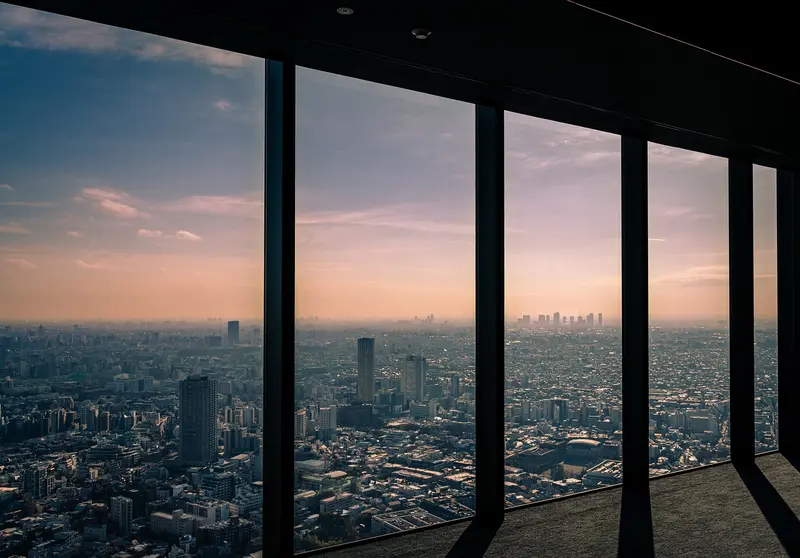
Should Japan Bring Back Daylight Saving Time?
Changing the clocks in summer
Model script
Good afternoon. I'm an engineer from Australia, working in Tokyo. Every summer here, the sun rises before five a.m., and I wonder why the clocks never change. Today, let's look at whether Japan should use daylight saving time.
Your recording
Say this slide out loud, then listen to yourself.
Recordings stay on this device and disappear when you leave the page.
Useful phrases
I wonder why
I ask myself why.
let's look at whether
Let's think about if.
Full script
Read the whole talk.
All slides in one place. Read it through once, then practice slide by slide.
01Should Japan Bring Back Daylight Saving Time?
Good afternoon. I'm an engineer from Australia, working in Tokyo. Every summer here, the sun rises before five a.m., and I wonder why the clocks never change. Today, let's look at whether Japan should use daylight saving time.
下午好。我是一名来自澳大利亚的工程师,在东京工作。这里每年夏天,太阳在早上五点之前就升起来了,我常常想,为什么时钟从来不调整。今天,我们来看看日本是否应该实行夏令时。
02Japan Tried It Before
Interestingly, Japan has tried this before. During the postwar occupation, Japan used daylight saving time from 1948 to 1951. It was unpopular, and it was abolished, partly because people felt it made their working days longer.
有意思的是,日本以前尝试过。在战后占领时期,日本从1948年到1951年实行过夏令时。它很不受欢迎,后来被废除了,部分原因是人们觉得它让工作日变得更长了。
Sources: Japan: 夏時刻法 (Summer Time Act, Act No. 29 of 1948), in force 1948, repealed April 11, 1952; summer time observed 1948–1951; Japan Today, "Daylight savings promoted as a possible fix to Japan's stagnated economy"
03For: Using Summer Mornings Better
Supporters say Japan wastes its summer mornings. In June, it's bright long before most people wake up. Moving the clocks forward would give people more daylight in the evening, after work or school.
支持者说,日本浪费了夏天的早晨。六月里,天早早就亮了,大多数人还没起床。把时钟拨快,能让人们在傍晚、下班或放学后拥有更多的日照时间。
04For: Leisure and Spending
They also argue that brighter evenings encourage people to go out, exercise, eat at restaurants, and enjoy hobbies. Some see it as a way to improve quality of life.
他们还认为,傍晚天更亮,会鼓励人们出门、锻炼、去餐厅吃饭、享受自己的爱好。有些人把它看作提高生活质量的一种方式。
05Against: Longer Working Days
On the other hand, critics worry that in Japan's work culture, brighter evenings might just mean longer working hours. That was one of the complaints in the 1950s, and some say it could happen again.
另一方面,批评者担心,在日本的职场文化下,傍晚天更亮可能只意味着工作时间更长。这正是五十年代人们的抱怨之一,有些人说,这种情况可能会重演。
Source: Japan Today, "Daylight savings promoted as a possible fix to Japan's stagnated economy"
06Against: Health and Systems
Critics also point to the twice-a-year clock change. Losing an hour of sleep can leave people tired, and updating computer systems, train timetables, and devices across the whole country would be costly.
批评者还指出了一年两次的时钟调整。少睡一个小时会让人感到疲惫,而且要更新全国的电脑系统、火车时刻表和各种设备,成本也会很高。
07My View
In my view, the goal makes sense, but the method doesn't. Instead of changing every clock in the country, companies and schools could simply start earlier in summer. That gives people brighter evenings without the costs.
在我看来,目标是合理的,但方法不对。与其把全国的时钟都调一遍,不如让公司和学校在夏天直接提早开始。这样既能让人们拥有更亮的傍晚,又不会产生那些成本。
08Conclusion
To conclude, Japan's experience in the 1950s shows that clock changes only work if people's habits change too. Brighter evenings are a great idea, but only if people actually get to enjoy them. Thank you.
最后,日本在五十年代的经历告诉我们,只有人们的习惯也跟着改变,调整时钟才会有效。拥有更亮的傍晚是个好主意,但前提是人们真的能享受到它。谢谢大家。
Source: Japan Today, "Daylight savings promoted as a possible fix to Japan's stagnated economy"
Cover photo by Philippsaal on Pixabay