Should Japan Bring Back Daylight Saving Time?
AdvancedJapan & Culture영어 프레젠테이션 모범 원고와 한국어 번역. 슬라이드마다 듣고 말하며 연습할 수 있습니다.
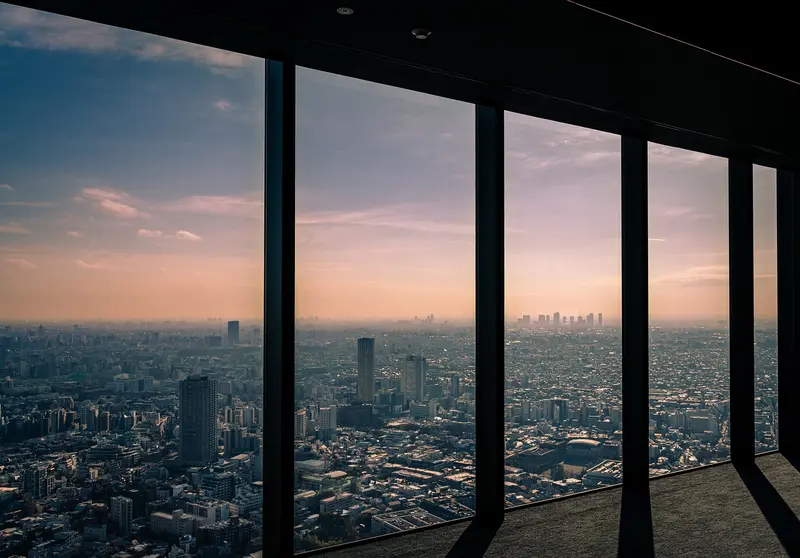
Should Japan Bring Back Daylight Saving Time?
Changing the clocks in summer
Model script
Good afternoon. I'm an engineer from Australia, working in Tokyo. Every summer here, the sun rises before five a.m., and I wonder why the clocks never change. Today, let's look at whether Japan should use daylight saving time.
Your recording
Say this slide out loud, then listen to yourself.
Recordings stay on this device and disappear when you leave the page.
Useful phrases
I wonder why
I ask myself why.
let's look at whether
Let's think about if.
Full script
Read the whole talk.
All slides in one place. Read it through once, then practice slide by slide.
01Should Japan Bring Back Daylight Saving Time?
Good afternoon. I'm an engineer from Australia, working in Tokyo. Every summer here, the sun rises before five a.m., and I wonder why the clocks never change. Today, let's look at whether Japan should use daylight saving time.
안녕하세요. 저는 호주에서 온 엔지니어로, 도쿄에서 일하고 있습니다. 이곳에서는 여름마다 해가 새벽 5시 전에 뜨는데, 저는 왜 시계를 한 번도 바꾸지 않는지 궁금했습니다. 오늘은 일본이 서머타임을 도입해야 하는지 살펴보겠습니다.
02Japan Tried It Before
Interestingly, Japan has tried this before. During the postwar occupation, Japan used daylight saving time from 1948 to 1951. It was unpopular, and it was abolished, partly because people felt it made their working days longer.
흥미롭게도 일본은 전에 이것을 시도한 적이 있습니다. 전후 점령기에 일본은 1948년부터 1951년까지 서머타임을 시행했습니다. 인기가 없어서 폐지되었는데, 사람들이 근무 시간이 더 길어졌다고 느낀 것도 이유 중 하나였습니다.
Sources: Japan: 夏時刻法 (Summer Time Act, Act No. 29 of 1948), in force 1948, repealed April 11, 1952; summer time observed 1948–1951; Japan Today, "Daylight savings promoted as a possible fix to Japan's stagnated economy"
03For: Using Summer Mornings Better
Supporters say Japan wastes its summer mornings. In June, it's bright long before most people wake up. Moving the clocks forward would give people more daylight in the evening, after work or school.
찬성하는 사람들은 일본이 여름 아침을 낭비하고 있다고 말합니다. 6월에는 대부분의 사람이 일어나기 훨씬 전에 날이 밝습니다. 시계를 앞당기면 퇴근 후나 방과 후 저녁에 햇빛을 더 오래 누릴 수 있습니다.
04For: Leisure and Spending
They also argue that brighter evenings encourage people to go out, exercise, eat at restaurants, and enjoy hobbies. Some see it as a way to improve quality of life.
그들은 또 저녁이 밝아지면 사람들이 밖에 나가 운동하고, 식당에서 식사하고, 취미를 즐기게 된다고 주장합니다. 삶의 질을 높이는 방법으로 보는 사람도 있습니다.
05Against: Longer Working Days
On the other hand, critics worry that in Japan's work culture, brighter evenings might just mean longer working hours. That was one of the complaints in the 1950s, and some say it could happen again.
반면에 비판하는 사람들은 일본의 직장 문화에서는 밝은 저녁이 그저 더 긴 근무 시간이 될 수 있다고 걱정합니다. 그것은 1950년대의 불만 중 하나였고, 다시 그럴 수 있다고 말하는 사람도 있습니다.
Source: Japan Today, "Daylight savings promoted as a possible fix to Japan's stagnated economy"
06Against: Health and Systems
Critics also point to the twice-a-year clock change. Losing an hour of sleep can leave people tired, and updating computer systems, train timetables, and devices across the whole country would be costly.
비판하는 사람들은 1년에 두 번 시계를 바꾸는 문제도 지적합니다. 한 시간 잠을 덜 자면 사람들이 피곤해질 수 있고, 전국의 컴퓨터 시스템, 열차 시간표, 기기를 모두 바꾸는 데는 큰 비용이 듭니다.
07My View
In my view, the goal makes sense, but the method doesn't. Instead of changing every clock in the country, companies and schools could simply start earlier in summer. That gives people brighter evenings without the costs.
제 생각에는 목표는 타당하지만 방법은 그렇지 않습니다. 나라 안의 모든 시계를 바꾸는 대신, 회사와 학교가 여름에 그냥 일찍 시작하면 됩니다. 그러면 비용 없이 밝은 저녁을 누릴 수 있습니다.
08Conclusion
To conclude, Japan's experience in the 1950s shows that clock changes only work if people's habits change too. Brighter evenings are a great idea, but only if people actually get to enjoy them. Thank you.
결론적으로, 1950년대 일본의 경험은 사람들의 습관도 함께 바뀔 때만 시간 변경이 효과가 있다는 것을 보여 줍니다. 밝은 저녁은 좋은 아이디어이지만, 사람들이 실제로 그 시간을 즐길 수 있어야 합니다. 감사합니다.
Source: Japan Today, "Daylight savings promoted as a possible fix to Japan's stagnated economy"
Cover photo by Philippsaal on Pixabay