Should Japan Bring Back Daylight Saving Time?
AdvancedJapan & CultureОбразец текста презентации на английском с переводом на русский. Слушайте и тренируйтесь говорить слайд за слайдом.
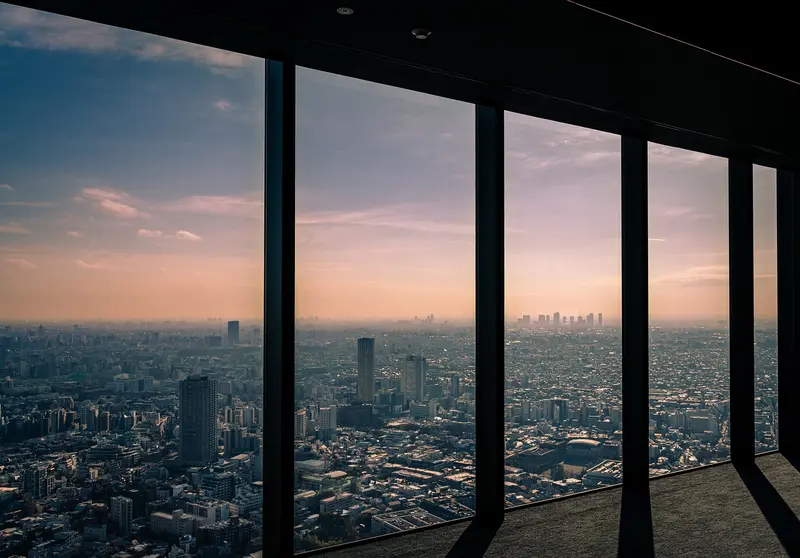
Should Japan Bring Back Daylight Saving Time?
Changing the clocks in summer
Model script
Good afternoon. I'm an engineer from Australia, working in Tokyo. Every summer here, the sun rises before five a.m., and I wonder why the clocks never change. Today, let's look at whether Japan should use daylight saving time.
Your recording
Say this slide out loud, then listen to yourself.
Recordings stay on this device and disappear when you leave the page.
Useful phrases
I wonder why
I ask myself why.
let's look at whether
Let's think about if.
Full script
Read the whole talk.
All slides in one place. Read it through once, then practice slide by slide.
01Should Japan Bring Back Daylight Saving Time?
Good afternoon. I'm an engineer from Australia, working in Tokyo. Every summer here, the sun rises before five a.m., and I wonder why the clocks never change. Today, let's look at whether Japan should use daylight saving time.
Добрый день. Я инженер из Австралии и работаю в Токио. Каждое лето здесь солнце встаёт раньше пяти утра, и мне непонятно, почему часы никогда не переводят. Сегодня давайте разберёмся, стоит ли Японии ввести летнее время.
02Japan Tried It Before
Interestingly, Japan has tried this before. During the postwar occupation, Japan used daylight saving time from 1948 to 1951. It was unpopular, and it was abolished, partly because people felt it made their working days longer.
Интересно, что Япония уже пробовала это. Во время послевоенной оккупации Япония использовала летнее время с 1948 по 1951 год. Оно было непопулярным и было отменено — отчасти потому, что людям казалось, что из-за него рабочий день стал длиннее.
Sources: Japan: 夏時刻法 (Summer Time Act, Act No. 29 of 1948), in force 1948, repealed April 11, 1952; summer time observed 1948–1951; Japan Today, "Daylight savings promoted as a possible fix to Japan's stagnated economy"
03For: Using Summer Mornings Better
Supporters say Japan wastes its summer mornings. In June, it's bright long before most people wake up. Moving the clocks forward would give people more daylight in the evening, after work or school.
Сторонники говорят, что Япония впустую тратит летние утра. В июне светло задолго до того, как большинство людей просыпается. Если перевести часы вперёд, у людей будет больше светлого времени вечером, после работы или учёбы.
04For: Leisure and Spending
They also argue that brighter evenings encourage people to go out, exercise, eat at restaurants, and enjoy hobbies. Some see it as a way to improve quality of life.
Они также утверждают, что светлые вечера побуждают людей выходить из дома, заниматься спортом, ходить в рестораны и заниматься хобби. Некоторые видят в этом способ улучшить качество жизни.
05Against: Longer Working Days
On the other hand, critics worry that in Japan's work culture, brighter evenings might just mean longer working hours. That was one of the complaints in the 1950s, and some say it could happen again.
С другой стороны, критики опасаются, что при японской культуре работы светлые вечера могут означать просто более долгий рабочий день. Это была одна из жалоб в 1950-х годах, и некоторые говорят, что так может случиться снова.
Source: Japan Today, "Daylight savings promoted as a possible fix to Japan's stagnated economy"
06Against: Health and Systems
Critics also point to the twice-a-year clock change. Losing an hour of sleep can leave people tired, and updating computer systems, train timetables, and devices across the whole country would be costly.
Критики также указывают на перевод часов дважды в год. Потеря часа сна может вызывать усталость, а обновление компьютерных систем, расписаний поездов и устройств по всей стране обошлось бы дорого.
07My View
In my view, the goal makes sense, but the method doesn't. Instead of changing every clock in the country, companies and schools could simply start earlier in summer. That gives people brighter evenings without the costs.
На мой взгляд, цель разумна, а метод — нет. Вместо того чтобы переводить все часы в стране, компании и школы могли бы просто летом начинать работу раньше. Это даст людям светлые вечера без лишних затрат.
08Conclusion
To conclude, Japan's experience in the 1950s shows that clock changes only work if people's habits change too. Brighter evenings are a great idea, but only if people actually get to enjoy them. Thank you.
В заключение: опыт Японии в 1950-х годах показывает, что перевод часов работает, только если меняются и привычки людей. Светлые вечера — отличная идея, но только если люди действительно могут ими насладиться. Спасибо.
Source: Japan Today, "Daylight savings promoted as a possible fix to Japan's stagnated economy"
Cover photo by Philippsaal on Pixabay