Should Japan Bring Back Daylight Saving Time?
AdvancedJapan & CultureGuion modelo de una presentación en inglés con traducción al español. Escucha y practica diapositiva por diapositiva.
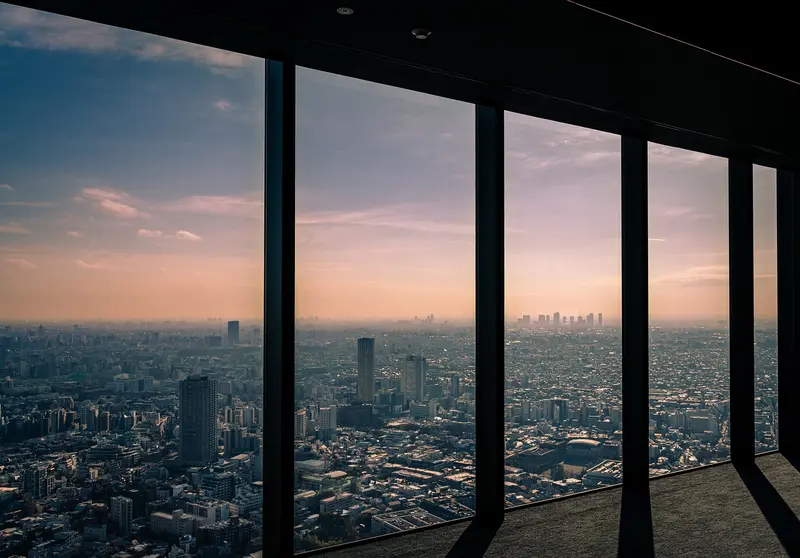
Should Japan Bring Back Daylight Saving Time?
Changing the clocks in summer
Model script
Good afternoon. I'm an engineer from Australia, working in Tokyo. Every summer here, the sun rises before five a.m., and I wonder why the clocks never change. Today, let's look at whether Japan should use daylight saving time.
Your recording
Say this slide out loud, then listen to yourself.
Recordings stay on this device and disappear when you leave the page.
Useful phrases
I wonder why
I ask myself why.
let's look at whether
Let's think about if.
Full script
Read the whole talk.
All slides in one place. Read it through once, then practice slide by slide.
01Should Japan Bring Back Daylight Saving Time?
Good afternoon. I'm an engineer from Australia, working in Tokyo. Every summer here, the sun rises before five a.m., and I wonder why the clocks never change. Today, let's look at whether Japan should use daylight saving time.
Buenas tardes. Soy ingeniera, soy de Australia y trabajo en Tokio. Aquí, cada verano, el sol sale antes de las cinco de la mañana, y me pregunto por qué nunca se cambian los relojes. Hoy vamos a analizar si Japón debería usar el horario de verano.
02Japan Tried It Before
Interestingly, Japan has tried this before. During the postwar occupation, Japan used daylight saving time from 1948 to 1951. It was unpopular, and it was abolished, partly because people felt it made their working days longer.
Curiosamente, Japón ya lo intentó antes. Durante la ocupación de la posguerra, Japón usó el horario de verano de 1948 a 1951. Fue impopular y se abolió, en parte porque la gente sentía que le alargaba la jornada laboral.
Sources: Japan: 夏時刻法 (Summer Time Act, Act No. 29 of 1948), in force 1948, repealed April 11, 1952; summer time observed 1948–1951; Japan Today, "Daylight savings promoted as a possible fix to Japan's stagnated economy"
03For: Using Summer Mornings Better
Supporters say Japan wastes its summer mornings. In June, it's bright long before most people wake up. Moving the clocks forward would give people more daylight in the evening, after work or school.
Sus partidarios dicen que Japón desperdicia las mañanas de verano. En junio ya hay luz mucho antes de que la mayoría de la gente se despierte. Adelantar los relojes daría a la gente más luz natural por la tarde, después del trabajo o de la escuela.
04For: Leisure and Spending
They also argue that brighter evenings encourage people to go out, exercise, eat at restaurants, and enjoy hobbies. Some see it as a way to improve quality of life.
También sostienen que las tardes con más luz animan a la gente a salir, hacer ejercicio, comer en restaurantes y disfrutar de sus pasatiempos. Algunos lo ven como una forma de mejorar la calidad de vida.
05Against: Longer Working Days
On the other hand, critics worry that in Japan's work culture, brighter evenings might just mean longer working hours. That was one of the complaints in the 1950s, and some say it could happen again.
Por otro lado, los críticos temen que, con la cultura laboral de Japón, tener tardes con más luz solo signifique jornadas de trabajo más largas. Esa fue una de las quejas en los años cincuenta, y algunos dicen que podría volver a pasar.
Source: Japan Today, "Daylight savings promoted as a possible fix to Japan's stagnated economy"
06Against: Health and Systems
Critics also point to the twice-a-year clock change. Losing an hour of sleep can leave people tired, and updating computer systems, train timetables, and devices across the whole country would be costly.
Los críticos también señalan el cambio de hora dos veces al año. Perder una hora de sueño puede dejar cansada a la gente, y actualizar los sistemas informáticos, los horarios de los trenes y los dispositivos de todo el país sería costoso.
07My View
In my view, the goal makes sense, but the method doesn't. Instead of changing every clock in the country, companies and schools could simply start earlier in summer. That gives people brighter evenings without the costs.
En mi opinión, el objetivo tiene sentido, pero el método no. En lugar de cambiar todos los relojes del país, las empresas y las escuelas podrían simplemente empezar más temprano en verano. Así la gente tendría tardes con más luz sin esos costos.
08Conclusion
To conclude, Japan's experience in the 1950s shows that clock changes only work if people's habits change too. Brighter evenings are a great idea, but only if people actually get to enjoy them. Thank you.
Para concluir, la experiencia de Japón en los años cincuenta demuestra que los cambios de hora solo funcionan si también cambian los hábitos de la gente. Tener tardes con más luz es una gran idea, pero solo si la gente realmente puede disfrutarlas. Gracias.
Source: Japan Today, "Daylight savings promoted as a possible fix to Japan's stagnated economy"
Cover photo by Philippsaal on Pixabay