Should Japan Bring Back Daylight Saving Time?
AdvancedJapan & Culture英語プレゼンのお手本の原稿と日本語訳。スライドごとに、聞いて・話して練習できます。
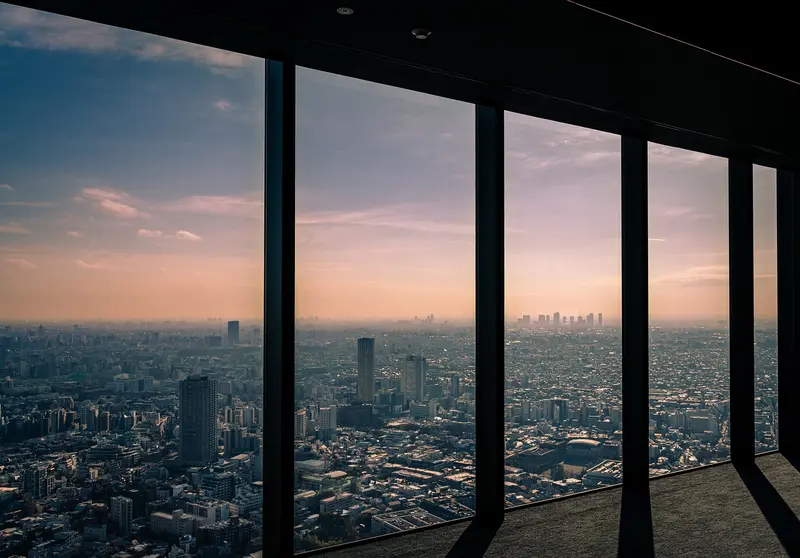
Should Japan Bring Back Daylight Saving Time?
Changing the clocks in summer
Model script
Good afternoon. I'm an engineer from Australia, working in Tokyo. Every summer here, the sun rises before five a.m., and I wonder why the clocks never change. Today, let's look at whether Japan should use daylight saving time.
Your recording
Say this slide out loud, then listen to yourself.
Recordings stay on this device and disappear when you leave the page.
Useful phrases
I wonder why
I ask myself why.
let's look at whether
Let's think about if.
Full script
Read the whole talk.
All slides in one place. Read it through once, then practice slide by slide.
01Should Japan Bring Back Daylight Saving Time?
Good afternoon. I'm an engineer from Australia, working in Tokyo. Every summer here, the sun rises before five a.m., and I wonder why the clocks never change. Today, let's look at whether Japan should use daylight saving time.
こんにちは。私はオーストラリア出身のエンジニアで、東京で働いています。ここでは毎年夏、朝5時前に日がのぼるので、なぜ時計を変えないのだろうと思います。今日は、日本がサマータイムを使うべきかどうかを見ていきましょう。
02Japan Tried It Before
Interestingly, Japan has tried this before. During the postwar occupation, Japan used daylight saving time from 1948 to 1951. It was unpopular, and it was abolished, partly because people felt it made their working days longer.
面白いことに、日本は前にもこれを試したことがあります。戦後の占領期、日本は1948年から1951年までサマータイムを使っていました。評判は悪く、廃止されました。その理由の一つは、人々が働く時間が長くなったと感じたことでした。
Sources: Japan: 夏時刻法 (Summer Time Act, Act No. 29 of 1948), in force 1948, repealed April 11, 1952; summer time observed 1948–1951; Japan Today, "Daylight savings promoted as a possible fix to Japan's stagnated economy"
03For: Using Summer Mornings Better
Supporters say Japan wastes its summer mornings. In June, it's bright long before most people wake up. Moving the clocks forward would give people more daylight in the evening, after work or school.
賛成する人は、日本は夏の朝をむだにしていると言います。6月には、ほとんどの人が起きるずっと前から明るくなっています。時計を進めれば、仕事や学校のあとの夕方に、もっと日の光を楽しめるようになります。
04For: Leisure and Spending
They also argue that brighter evenings encourage people to go out, exercise, eat at restaurants, and enjoy hobbies. Some see it as a way to improve quality of life.
夕方が明るいと、人々が出かけたり、運動したり、レストランで食事をしたり、趣味を楽しんだりするようになる、とも主張しています。生活の質を高める方法だと考える人もいます。
05Against: Longer Working Days
On the other hand, critics worry that in Japan's work culture, brighter evenings might just mean longer working hours. That was one of the complaints in the 1950s, and some say it could happen again.
一方で、反対する人は、日本の働き方の文化では、夕方が明るくなっても、働く時間が長くなるだけかもしれないと心配しています。それは1950年代の不満の一つでしたし、また同じことが起きるかもしれないと言う人もいます。
Source: Japan Today, "Daylight savings promoted as a possible fix to Japan's stagnated economy"
06Against: Health and Systems
Critics also point to the twice-a-year clock change. Losing an hour of sleep can leave people tired, and updating computer systems, train timetables, and devices across the whole country would be costly.
反対する人は、年に2回の時計の切り替えも問題にしています。睡眠が1時間減ると疲れが残りますし、国じゅうのコンピューターのシステムや電車の時刻表、機器を更新するには、多くの費用がかかります。
07My View
In my view, the goal makes sense, but the method doesn't. Instead of changing every clock in the country, companies and schools could simply start earlier in summer. That gives people brighter evenings without the costs.
私の考えでは、目的は理にかなっていますが、やり方は理にかなっていません。国じゅうの時計を変える代わりに、会社や学校が夏の間だけ始まる時間を早めればいいのです。そうすれば、費用をかけずに明るい夕方を手に入れられます。
08Conclusion
To conclude, Japan's experience in the 1950s shows that clock changes only work if people's habits change too. Brighter evenings are a great idea, but only if people actually get to enjoy them. Thank you.
まとめると、1950年代の日本の経験は、時計を変えるのは人々の習慣も変わってこそうまくいくことを示しています。明るい夕方は素晴らしい考えですが、それは人々が実際にそれを楽しめる場合に限ります。ありがとうございました。
Source: Japan Today, "Daylight savings promoted as a possible fix to Japan's stagnated economy"
Cover photo by Philippsaal on Pixabay