Why Cities Still Need Cars
AdvancedAgainstSociety & Environment영어 프레젠테이션 모범 원고와 한국어 번역. 슬라이드마다 듣고 말하며 연습할 수 있습니다.
Practice the other side:Should Cities Be Designed for Cars or People?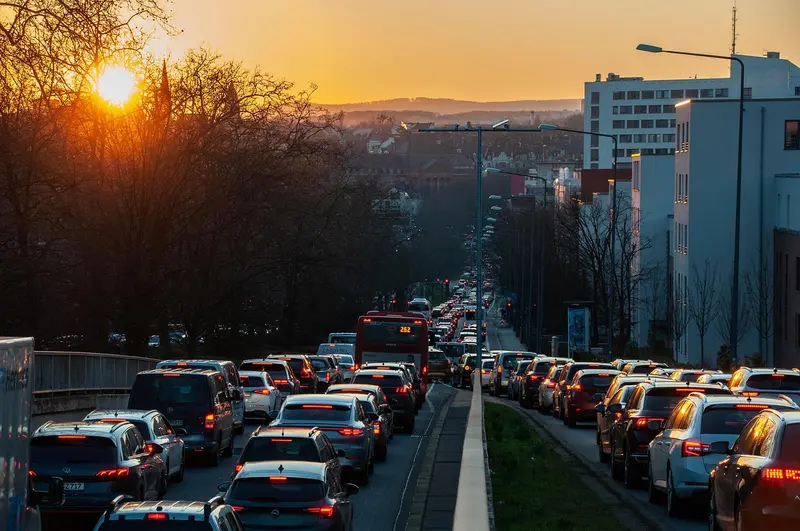
Why Cities Still Need Cars
Why removing cars is not so simple
Model script
Good morning. Car-free streets look beautiful in photos, and it's easy to see why people love the idea. However, today I'll argue that removing cars from our cities is not as simple, or as fair, as it sounds.
Your recording
Say this slide out loud, then listen to yourself.
Recordings stay on this device and disappear when you leave the page.
Useful phrases
it's easy to see why
Show that you understand why others like an idea.
not as simple ... as it sounds
Harder than it seems at first.
Full script
Read the whole talk.
All slides in one place. Read it through once, then practice slide by slide.
01Why Cities Still Need Cars
Good morning. Car-free streets look beautiful in photos, and it's easy to see why people love the idea. However, today I'll argue that removing cars from our cities is not as simple, or as fair, as it sounds.
좋은 아침입니다. 자동차 없는 거리는 사진으로 보면 아름답고, 사람들이 이 아이디어를 좋아하는 이유도 쉽게 알 수 있습니다. 하지만 오늘 저는 도시에서 자동차를 없애는 것이 생각만큼 간단하지도, 공정하지도 않다고 주장하겠습니다.
02Not Everyone Can Walk or Cycle
First, not everyone can walk or ride a bike easily. Older people, people with disabilities, and parents with small children often depend on cars to get around.
첫째, 모든 사람이 쉽게 걷거나 자전거를 탈 수 있는 것은 아닙니다. 노인, 장애가 있는 사람, 어린아이를 둔 부모는 이동할 때 자동차에 의존하는 경우가 많습니다.
03Public Transport Isn't Everywhere
Second, good public transport isn't available everywhere. In a big city center, a train may come every few minutes. But in the suburbs and the countryside, buses can be rare, and distances are long.
둘째, 좋은 대중교통이 어디에나 있는 것은 아닙니다. 대도시 중심부에서는 몇 분마다 열차가 올 수도 있습니다. 하지만 교외나 시골에서는 버스가 드물고, 거리도 멉니다.
04Cities Still Need Vehicles
Third, cities need vehicles to work. Shops need deliveries, ambulances and fire engines need to reach people quickly, and construction work needs trucks. We cannot simply remove roads.
셋째, 도시가 돌아가려면 차량이 필요합니다. 가게에는 배송이 필요하고, 구급차와 소방차는 사람들에게 빨리 도착해야 하며, 공사에는 트럭이 필요합니다. 도로를 그냥 없앨 수는 없습니다.
05Some Shops May Suffer
There is also a risk for some local businesses. Shops that sell large or heavy items, like furniture, may lose customers who can no longer drive and park nearby.
일부 동네 가게에도 위험이 있습니다. 가구처럼 크거나 무거운 물건을 파는 가게는 더 이상 근처에 차를 대지 못하는 손님을 잃을 수 있습니다.
06A Better Balance
So what's the alternative? Instead of banning cars, cities can improve public transport first, make streets safer for walking and cycling, and make changes slowly, together with local people.
그렇다면 대안은 무엇일까요? 자동차를 금지하는 대신, 도시는 먼저 대중교통을 개선하고, 걷고 자전거 타기에 더 안전한 거리를 만들고, 주민들과 함께 천천히 바꿔 나갈 수 있습니다.
07My Position
My position is this: cities should put people first, but that does not mean removing cars completely. The goal should be streets that work for everyone.
제 입장은 이렇습니다. 도시는 사람을 먼저 생각해야 하지만, 그것이 자동차를 완전히 없앤다는 뜻은 아닙니다. 목표는 모두에게 맞는 거리여야 합니다.
08Conclusion
In the end, a good city is one where everyone can get where they need to go. Let's design streets that are fair, not just beautiful. Thank you.
결국 좋은 도시란 모두가 가야 할 곳에 갈 수 있는 도시입니다. 아름답기만 한 거리가 아니라 공정한 거리를 설계합시다. 감사합니다.
Cover photo by wal_172619 on Pixabay
Slide photos by StockSnap, khoinguyenfoto on Pixabay