Should Cities Be Designed for Cars or People?
AdvancedForSociety & Environment영어 프레젠테이션 모범 원고와 한국어 번역. 슬라이드마다 듣고 말하며 연습할 수 있습니다.
Practice the other side:Why Cities Still Need Cars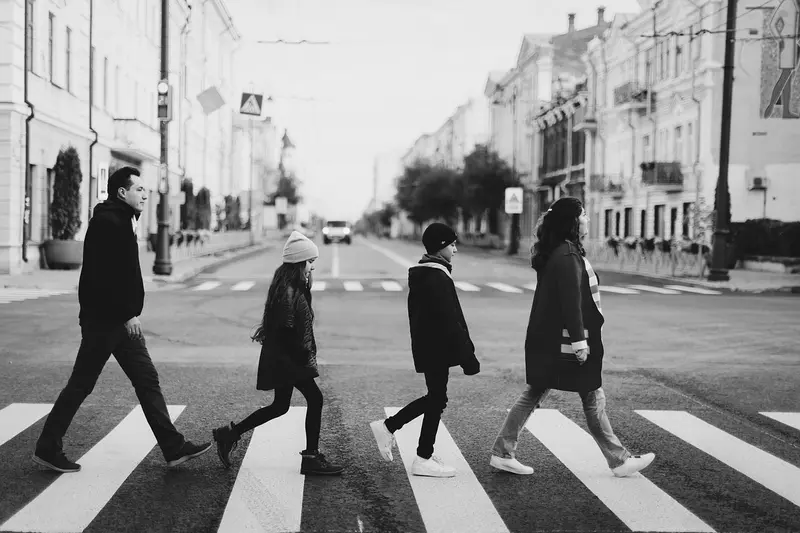
Should Cities Be Designed for Cars or People?
Rethinking the streets we live on
Model script
Good morning. Look at any street in a big city, and you'll notice something: most of the space is given to cars. Today, I want to challenge that idea and ask whether our cities should be designed for people instead.
Your recording
Say this slide out loud, then listen to yourself.
Recordings stay on this device and disappear when you leave the page.
Useful phrases
you'll notice something:
Make the audience curious before you give the point.
I want to challenge that idea
A polite way to say you disagree with a common belief.
Full script
Read the whole talk.
All slides in one place. Read it through once, then practice slide by slide.
01Should Cities Be Designed for Cars or People?
Good morning. Look at any street in a big city, and you'll notice something: most of the space is given to cars. Today, I want to challenge that idea and ask whether our cities should be designed for people instead.
좋은 아침입니다. 대도시의 아무 거리나 한번 보세요. 한 가지 눈에 띄는 점이 있습니다. 공간의 대부분이 자동차에 주어져 있다는 것입니다. 오늘 저는 이 생각에 의문을 던지고, 우리 도시가 오히려 사람을 위해 설계되어야 하지 않을까 묻고 싶습니다.
02The Cost of Car-Centered Cities
Car-centered design comes at a cost. It leads to traffic jams, noise, and air pollution. On top of that, every parking lot is space that could have been a park, a café, or a place for kids to play.
자동차 중심의 설계에는 대가가 따릅니다. 교통 체증, 소음, 대기 오염으로 이어집니다. 게다가 주차장 하나하나가 공원이나 카페, 아이들의 놀이터가 될 수도 있었던 공간입니다.
03Cars Are Mostly Standing Still
Here's a surprising fact. According to a study in the UK, the average car is parked about ninety-six percent of the time. That means we give huge amounts of city space to objects that are mostly standing still.
놀라운 사실 하나를 말씀드리겠습니다. 영국의 한 연구에 따르면, 평균적인 자동차는 시간의 약 96%를 주차된 채로 보냅니다. 즉, 우리는 대부분의 시간 동안 멈춰 있는 물건에 도시 공간을 엄청나게 내어 주고 있는 것입니다.
Source: RAC Foundation, "Spaced Out" (2012), UK
04What People-First Cities Look Like
Some cities are already making this shift. Paris has turned busy roads along the river into spaces for walking and cycling. Barcelona has created "superblocks," where cars are limited and streets become public spaces.
이미 이런 변화를 시작한 도시도 있습니다. 파리는 강변의 혼잡한 도로를 걷고 자전거를 타는 공간으로 바꾸었습니다. 바르셀로나는 자동차를 제한하고 거리를 공공 공간으로 만드는 '슈퍼블록'을 만들었습니다.
Sources: City of Paris (riverside roads for walking and cycling); Barcelona City Council (Superblocks program)
05Benefits for Everyone
These changes don't just help pedestrians. When streets become safer and quieter, people walk and cycle more, which is good for their health. Local shops can benefit too, because people on foot tend to stop and look around.
이런 변화는 보행자에게만 도움이 되는 것이 아닙니다. 거리가 더 안전하고 조용해지면, 사람들은 더 많이 걷고 자전거를 타게 되고, 이는 건강에도 좋습니다. 걸어 다니는 사람은 멈춰서 둘러보는 경우가 많기 때문에 동네 가게에도 도움이 될 수 있습니다.
06Common Objections
Naturally, there are objections. Shop owners worry about losing customers, and drivers worry about traffic. However, research on "traffic evaporation" shows that when road space is reduced, some car trips simply disappear as people change their habits.
물론 반대 의견도 있습니다. 가게 주인들은 손님을 잃을까 걱정하고, 운전자들은 교통 체증을 걱정합니다. 하지만 '교통 증발'에 관한 연구에 따르면, 도로 공간을 줄이면 사람들이 습관을 바꾸면서 일부 자동차 이동은 그냥 사라진다고 합니다.
Source: Cairns, Hass-Klau & Goodwin, "Traffic Impact of Highway Capacity Reductions" (1998)
07A Step-by-Step Approach
The smartest cities don't change everything overnight. They start with temporary trials, listen carefully to residents, and only then make successful changes permanent.
가장 현명한 도시들은 하룻밤 사이에 모든 것을 바꾸지 않습니다. 임시 시범 운영으로 시작하고, 주민들의 의견을 귀 기울여 듣고, 그다음에야 성공한 변화를 영구적으로 만듭니다.
08Who Are Streets For?
Of course, cars won't disappear. But streets are one of the largest public spaces we have. The real question is: who should they be for? I'll leave you with that question. Thank you.
물론 자동차가 사라지지는 않을 것입니다. 하지만 거리는 우리가 가진 가장 큰 공공 공간 중 하나입니다. 진짜 질문은 이것입니다. 거리는 누구를 위한 것이어야 할까요? 이 질문을 여러분께 남기며 마치겠습니다. 감사합니다.
Cover photo by vetta85 on Pixabay