Should Cities Be Designed for Cars or People?
AdvancedForSociety & Environmentบทพูดตัวอย่างของพรีเซนเทชันภาษาอังกฤษพร้อมคำแปลภาษาไทย ฟังและฝึกพูดได้ทีละสไลด์
Practice the other side:Why Cities Still Need Cars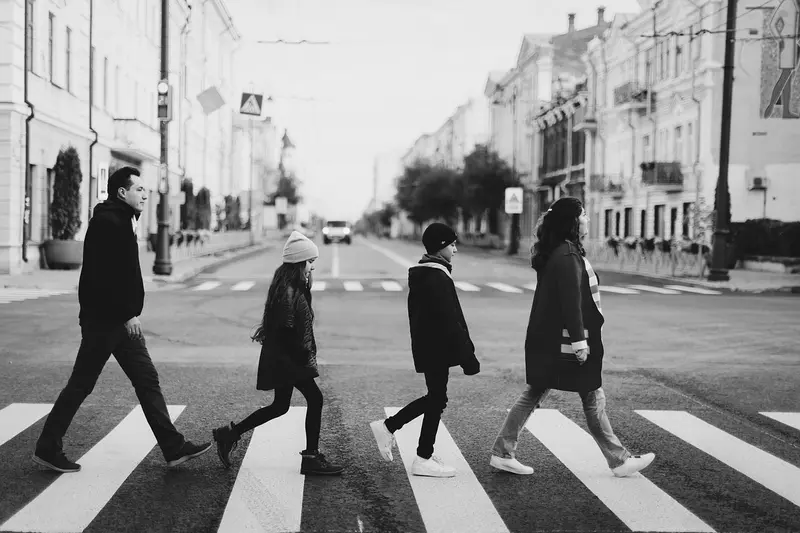
Should Cities Be Designed for Cars or People?
Rethinking the streets we live on
Model script
Good morning. Look at any street in a big city, and you'll notice something: most of the space is given to cars. Today, I want to challenge that idea and ask whether our cities should be designed for people instead.
Your recording
Say this slide out loud, then listen to yourself.
Recordings stay on this device and disappear when you leave the page.
Useful phrases
you'll notice something:
Make the audience curious before you give the point.
I want to challenge that idea
A polite way to say you disagree with a common belief.
Full script
Read the whole talk.
All slides in one place. Read it through once, then practice slide by slide.
01Should Cities Be Designed for Cars or People?
Good morning. Look at any street in a big city, and you'll notice something: most of the space is given to cars. Today, I want to challenge that idea and ask whether our cities should be designed for people instead.
สวัสดีตอนเช้าทุกท่าน ลองมองถนนสายไหนก็ได้ในเมืองใหญ่ แล้วคุณจะสังเกตเห็นบางอย่าง นั่นคือพื้นที่ส่วนใหญ่ถูกยกให้รถยนต์ วันนี้ฉันอยากตั้งคำถามกับแนวคิดนี้ และถามว่าเมืองของเราควรถูกออกแบบมาเพื่อผู้คนแทนหรือไม่
02The Cost of Car-Centered Cities
Car-centered design comes at a cost. It leads to traffic jams, noise, and air pollution. On top of that, every parking lot is space that could have been a park, a café, or a place for kids to play.
การออกแบบที่ยึดรถยนต์เป็นศูนย์กลางมีราคาที่ต้องจ่าย มันนำไปสู่รถติด เสียงดัง และมลพิษทางอากาศ ยิ่งไปกว่านั้น ลานจอดรถทุกแห่งคือพื้นที่ที่อาจกลายเป็นสวนสาธารณะ คาเฟ่ หรือที่เล่นของเด็ก ๆ ได้
03Cars Are Mostly Standing Still
Here's a surprising fact. According to a study in the UK, the average car is parked about ninety-six percent of the time. That means we give huge amounts of city space to objects that are mostly standing still.
นี่คือข้อเท็จจริงที่น่าประหลาดใจ จากการศึกษาในสหราชอาณาจักร รถยนต์โดยเฉลี่ยจอดอยู่เฉย ๆ ประมาณ 96% ของเวลาทั้งหมด หมายความว่าเรายกพื้นที่เมืองจำนวนมหาศาลให้กับสิ่งของที่ส่วนใหญ่แค่จอดนิ่งอยู่
Source: RAC Foundation, "Spaced Out" (2012), UK
04What People-First Cities Look Like
Some cities are already making this shift. Paris has turned busy roads along the river into spaces for walking and cycling. Barcelona has created "superblocks," where cars are limited and streets become public spaces.
บางเมืองเริ่มเปลี่ยนแปลงแล้ว ปารีสเปลี่ยนถนนที่การจราจรหนาแน่นริมแม่น้ำให้เป็นพื้นที่สำหรับเดินและปั่นจักรยาน บาร์เซโลนาสร้าง "ซูเปอร์บล็อก" ที่จำกัดรถยนต์และเปลี่ยนถนนให้เป็นพื้นที่สาธารณะ
Sources: City of Paris (riverside roads for walking and cycling); Barcelona City Council (Superblocks program)
05Benefits for Everyone
These changes don't just help pedestrians. When streets become safer and quieter, people walk and cycle more, which is good for their health. Local shops can benefit too, because people on foot tend to stop and look around.
การเปลี่ยนแปลงเหล่านี้ไม่ได้ช่วยแค่คนเดินเท้า เมื่อถนนปลอดภัยและเงียบขึ้น ผู้คนก็เดินและปั่นจักรยานมากขึ้น ซึ่งดีต่อสุขภาพ ร้านค้าในท้องถิ่นก็ได้ประโยชน์ด้วย เพราะคนที่เดินเท้ามักจะแวะดูรอบ ๆ
06Common Objections
Naturally, there are objections. Shop owners worry about losing customers, and drivers worry about traffic. However, research on "traffic evaporation" shows that when road space is reduced, some car trips simply disappear as people change their habits.
แน่นอนว่ามีเสียงคัดค้าน เจ้าของร้านกังวลว่าจะเสียลูกค้า และคนขับรถกังวลเรื่องรถติด อย่างไรก็ตาม งานวิจัยเรื่อง "การระเหยของการจราจร" แสดงให้เห็นว่า เมื่อพื้นที่ถนนลดลง การเดินทางด้วยรถยนต์บางส่วนก็หายไปเอง เพราะผู้คนเปลี่ยนพฤติกรรม
Source: Cairns, Hass-Klau & Goodwin, "Traffic Impact of Highway Capacity Reductions" (1998)
07A Step-by-Step Approach
The smartest cities don't change everything overnight. They start with temporary trials, listen carefully to residents, and only then make successful changes permanent.
เมืองที่ฉลาดที่สุดไม่ได้เปลี่ยนทุกอย่างในชั่วข้ามคืน พวกเขาเริ่มจากการทดลองชั่วคราว รับฟังผู้อยู่อาศัยอย่างตั้งใจ แล้วจึงทำให้การเปลี่ยนแปลงที่ได้ผลกลายเป็นถาวร
08Who Are Streets For?
Of course, cars won't disappear. But streets are one of the largest public spaces we have. The real question is: who should they be for? I'll leave you with that question. Thank you.
แน่นอนว่ารถยนต์จะไม่หายไป แต่ถนนคือพื้นที่สาธารณะที่ใหญ่ที่สุดแห่งหนึ่งที่เรามี คำถามที่แท้จริงคือ ถนนควรมีไว้เพื่อใคร ฉันขอทิ้งคำถามนี้ไว้ให้ทุกท่าน ขอบคุณ
Cover photo by vetta85 on Pixabay