The Hidden Cost of Fast Fashion
AdvancedSociety & EnvironmentGuion modelo de una presentación en inglés con traducción al español. Escucha y practica diapositiva por diapositiva.
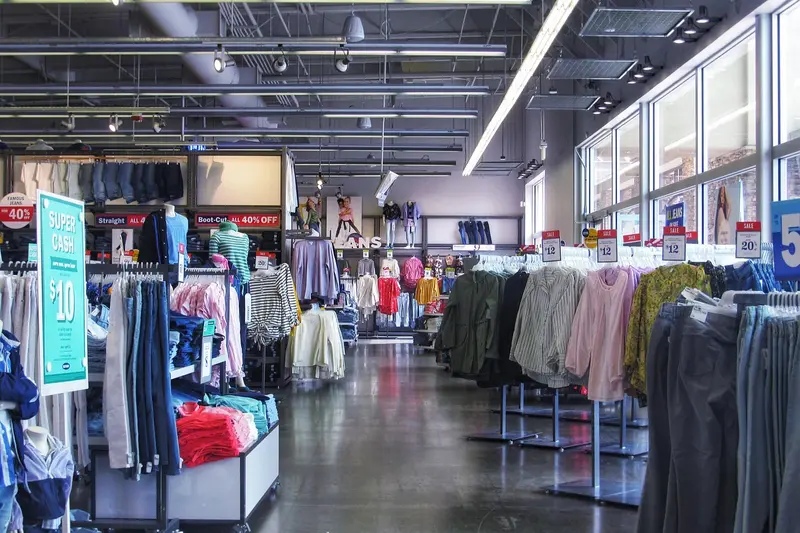
The Hidden Cost of Fast Fashion
What's really behind a cheap T-shirt?
Model script
Good afternoon. Take a look at the clothes you're wearing right now. Do you know where they were made, or how much they really cost the planet? Today, I want to uncover the hidden cost of fast fashion.
Your recording
Say this slide out loud, then listen to yourself.
Recordings stay on this device and disappear when you leave the page.
Useful phrases
Take a look at...
Ask the audience to look at something.
uncover
Find and show something that was hidden.
Full script
Read the whole talk.
All slides in one place. Read it through once, then practice slide by slide.
01The Hidden Cost of Fast Fashion
Good afternoon. Take a look at the clothes you're wearing right now. Do you know where they were made, or how much they really cost the planet? Today, I want to uncover the hidden cost of fast fashion.
Buenas tardes. Miren la ropa que llevan puesta ahora mismo. ¿Saben dónde se fabricó o cuánto le costó realmente al planeta? Hoy quiero revelar el costo oculto de la moda rápida.
02What Is Fast Fashion?
Fast fashion means producing trendy clothes quickly and cheaply. Some brands release new styles every few weeks. As a result, people buy more clothes than ever, but wear each item fewer times.
La moda rápida consiste en producir ropa de tendencia de forma rápida y barata. Algunas marcas lanzan nuevos estilos cada pocas semanas. Como resultado, la gente compra más ropa que nunca, pero usa cada prenda menos veces.
03The Environmental Cost
The environmental impact is serious. Making clothes uses huge amounts of water, and according to the Ellen MacArthur Foundation, the equivalent of one garbage truck of textiles is burned or sent to landfill every second. Less than one percent of the material used for clothing is recycled into new clothes.
El impacto ambiental es grave. Fabricar ropa consume enormes cantidades de agua y, según la Fundación Ellen MacArthur, cada segundo se quema o se envía a un vertedero el equivalente a un camión de basura lleno de textiles. Menos del uno por ciento del material usado para hacer ropa se recicla en ropa nueva.
Source: Ellen MacArthur Foundation, "A New Textiles Economy: Redesigning Fashion's Future" (2017)
04The Human Cost
There is also a human cost. Many garment workers earn very low wages and work long hours. In 2013, the Rana Plaza factory building in Bangladesh collapsed, killing more than eleven hundred people. It was a wake-up call for the whole industry.
También hay un costo humano. Muchos trabajadores de la confección ganan salarios muy bajos y trabajan largas jornadas. En 2013, se derrumbó el edificio de fábricas Rana Plaza en Bangladés y murieron más de mil cien personas. Fue una llamada de atención para toda la industria.
Source: International Labour Organization, "The Rana Plaza Accident and its aftermath"
05Why We Keep Buying
So why do we keep buying? Part of the reason is that the true costs are invisible. We see a low price tag and the latest trend, but we don't see the waste or the people behind the product.
Entonces, ¿por qué seguimos comprando? En parte, porque los verdaderos costos son invisibles. Vemos una etiqueta con un precio bajo y la última tendencia, pero no vemos los residuos ni a las personas que hay detrás del producto.
06What We Can Do
Fortunately, each of us can make a difference. We can buy less, choose better quality, repair what we already own, and try second-hand shopping.
Por suerte, cada uno de nosotros puede marcar la diferencia. Podemos comprar menos, elegir mejor calidad, reparar lo que ya tenemos y probar a comprar de segunda mano.
07The Role of Brands
However, individuals can't solve this alone. Brands must be transparent about where their clothes are made, pay fair wages, and take responsibility for what happens to clothes after they're sold.
Sin embargo, las personas no pueden resolver esto solas. Las marcas deben ser transparentes sobre dónde se fabrica su ropa, pagar salarios justos y hacerse responsables de lo que pasa con la ropa después de venderla.
08Conclusion
In the end, fast fashion is cheap for us but costly for the planet and for the people who make our clothes. Every purchase is a small vote for the kind of world we want. Let's vote wisely. Thank you.
Al final, la moda rápida es barata para nosotros, pero costosa para el planeta y para las personas que hacen nuestra ropa. Cada compra es un pequeño voto por el tipo de mundo que queremos. Votemos con sabiduría. Gracias.
Cover photo by DigestContent on Pixabay