The Hidden Cost of Fast Fashion
AdvancedSociety & Environment英語プレゼンのお手本の原稿と日本語訳。スライドごとに、聞いて・話して練習できます。
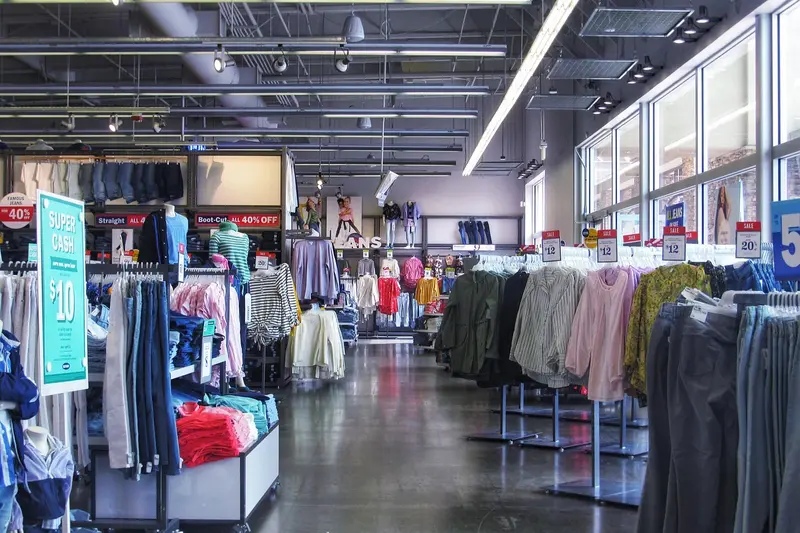
The Hidden Cost of Fast Fashion
What's really behind a cheap T-shirt?
Model script
Good afternoon. Take a look at the clothes you're wearing right now. Do you know where they were made, or how much they really cost the planet? Today, I want to uncover the hidden cost of fast fashion.
Your recording
Say this slide out loud, then listen to yourself.
Recordings stay on this device and disappear when you leave the page.
Useful phrases
Take a look at...
Ask the audience to look at something.
uncover
Find and show something that was hidden.
Full script
Read the whole talk.
All slides in one place. Read it through once, then practice slide by slide.
01The Hidden Cost of Fast Fashion
Good afternoon. Take a look at the clothes you're wearing right now. Do you know where they were made, or how much they really cost the planet? Today, I want to uncover the hidden cost of fast fashion.
こんにちは。今着ている服を見てみてください。それがどこで作られたのか、そして地球にとって本当はどれだけのコストがかかっているのか、知っていますか?今日は、ファストファッションの隠れたコストを明らかにしたいと思います。
02What Is Fast Fashion?
Fast fashion means producing trendy clothes quickly and cheaply. Some brands release new styles every few weeks. As a result, people buy more clothes than ever, but wear each item fewer times.
ファストファッションとは、流行の服を速く安く作ることです。数週間ごとに新しいデザインを出すブランドもあります。その結果、人々はかつてないほど多くの服を買い、一着を着る回数は減っています。
03The Environmental Cost
The environmental impact is serious. Making clothes uses huge amounts of water, and according to the Ellen MacArthur Foundation, the equivalent of one garbage truck of textiles is burned or sent to landfill every second. Less than one percent of the material used for clothing is recycled into new clothes.
環境への影響は深刻です。服を作るには大量の水を使います。そしてエレン・マッカーサー財団によると、毎秒、ごみ収集車1台分にあたる繊維が燃やされたり、埋め立て地に送られたりしています。服に使われた素材のうち、新しい服に生まれ変わるのは1%未満です。
Source: Ellen MacArthur Foundation, "A New Textiles Economy: Redesigning Fashion's Future" (2017)
04The Human Cost
There is also a human cost. Many garment workers earn very low wages and work long hours. In 2013, the Rana Plaza factory building in Bangladesh collapsed, killing more than eleven hundred people. It was a wake-up call for the whole industry.
人にとってのコストもあります。多くの縫製工場の労働者は、とても低い賃金で長時間働いています。2013年には、バングラデシュの工場ビル「ラナ・プラザ」が崩れ、1,100人以上が亡くなりました。業界全体にとっての警鐘となる出来事でした。
Source: International Labour Organization, "The Rana Plaza Accident and its aftermath"
05Why We Keep Buying
So why do we keep buying? Part of the reason is that the true costs are invisible. We see a low price tag and the latest trend, but we don't see the waste or the people behind the product.
では、なぜ私たちは買い続けるのでしょうか?理由の一つは、本当のコストが見えないことです。私たちに見えるのは安い値札と最新の流行で、その商品の裏にあるごみや人々は見えません。
06What We Can Do
Fortunately, each of us can make a difference. We can buy less, choose better quality, repair what we already own, and try second-hand shopping.
幸い、私たち一人ひとりにも変えられることがあります。買う量を減らし、質の良いものを選び、持っているものを修理し、古着での買い物を試すことができます。
07The Role of Brands
However, individuals can't solve this alone. Brands must be transparent about where their clothes are made, pay fair wages, and take responsibility for what happens to clothes after they're sold.
ただし、個人だけでこの問題は解決できません。ブランドは、服がどこで作られているかを公開し、公正な賃金を払い、売ったあとの服がどうなるかにも責任を持たなければなりません。
08Conclusion
In the end, fast fashion is cheap for us but costly for the planet and for the people who make our clothes. Every purchase is a small vote for the kind of world we want. Let's vote wisely. Thank you.
結局のところ、ファストファッションは私たちにとっては安くても、地球と、服を作ってくれる人たちにとっては高くつくのです。買い物の一つ一つは、私たちが望む世界への小さな一票です。賢く投票しましょう。ありがとうございました。
Cover photo by DigestContent on Pixabay