The Hidden Cost of Fast Fashion
AdvancedSociety & Environment영어 프레젠테이션 모범 원고와 한국어 번역. 슬라이드마다 듣고 말하며 연습할 수 있습니다.
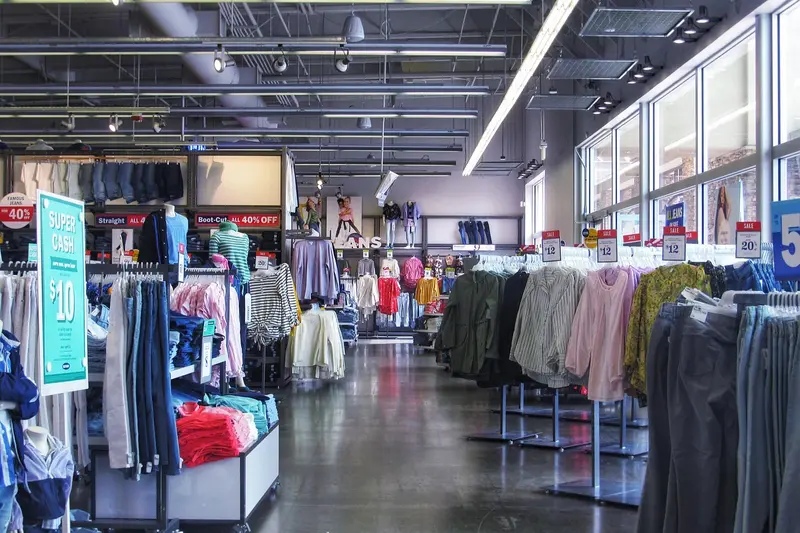
The Hidden Cost of Fast Fashion
What's really behind a cheap T-shirt?
Model script
Good afternoon. Take a look at the clothes you're wearing right now. Do you know where they were made, or how much they really cost the planet? Today, I want to uncover the hidden cost of fast fashion.
Your recording
Say this slide out loud, then listen to yourself.
Recordings stay on this device and disappear when you leave the page.
Useful phrases
Take a look at...
Ask the audience to look at something.
uncover
Find and show something that was hidden.
Full script
Read the whole talk.
All slides in one place. Read it through once, then practice slide by slide.
01The Hidden Cost of Fast Fashion
Good afternoon. Take a look at the clothes you're wearing right now. Do you know where they were made, or how much they really cost the planet? Today, I want to uncover the hidden cost of fast fashion.
안녕하세요. 지금 입고 계신 옷을 한번 보세요. 그 옷이 어디서 만들어졌는지, 지구에 실제로 얼마나 큰 비용을 치르게 했는지 알고 계신가요? 오늘은 패스트 패션의 숨겨진 비용을 밝혀 보고 싶습니다.
02What Is Fast Fashion?
Fast fashion means producing trendy clothes quickly and cheaply. Some brands release new styles every few weeks. As a result, people buy more clothes than ever, but wear each item fewer times.
패스트 패션이란 유행하는 옷을 빠르고 싸게 만드는 것을 말합니다. 어떤 브랜드는 몇 주마다 새로운 스타일을 내놓습니다. 그 결과 사람들은 그 어느 때보다 많은 옷을 사지만, 옷 하나하나를 입는 횟수는 줄어들었습니다.
03The Environmental Cost
The environmental impact is serious. Making clothes uses huge amounts of water, and according to the Ellen MacArthur Foundation, the equivalent of one garbage truck of textiles is burned or sent to landfill every second. Less than one percent of the material used for clothing is recycled into new clothes.
환경에 미치는 영향은 심각합니다. 옷을 만드는 데는 엄청난 양의 물이 쓰이고, 엘렌 맥아더 재단에 따르면 매초 쓰레기 트럭 한 대 분량의 섬유가 소각되거나 매립지로 보내집니다. 옷에 쓰인 소재 중 새 옷으로 재활용되는 것은 1% 미만입니다.
Source: Ellen MacArthur Foundation, "A New Textiles Economy: Redesigning Fashion's Future" (2017)
04The Human Cost
There is also a human cost. Many garment workers earn very low wages and work long hours. In 2013, the Rana Plaza factory building in Bangladesh collapsed, killing more than eleven hundred people. It was a wake-up call for the whole industry.
사람이 치르는 비용도 있습니다. 많은 의류 노동자들이 아주 낮은 임금을 받으며 오랜 시간 일합니다. 2013년, 방글라데시의 라나 플라자 공장 건물이 무너져 1,100명이 넘는 사람이 목숨을 잃었습니다. 이 사고는 업계 전체에 경종을 울렸습니다.
Source: International Labour Organization, "The Rana Plaza Accident and its aftermath"
05Why We Keep Buying
So why do we keep buying? Part of the reason is that the true costs are invisible. We see a low price tag and the latest trend, but we don't see the waste or the people behind the product.
그런데 우리는 왜 계속 살까요? 한 가지 이유는 진짜 비용이 눈에 보이지 않기 때문입니다. 우리는 싼 가격표와 최신 유행은 보지만, 제품 뒤에 있는 쓰레기나 사람들은 보지 못합니다.
06What We Can Do
Fortunately, each of us can make a difference. We can buy less, choose better quality, repair what we already own, and try second-hand shopping.
다행히 우리 각자가 변화를 만들 수 있습니다. 덜 사고, 더 좋은 품질을 고르고, 이미 가진 옷을 고쳐 입고, 중고 쇼핑을 해 볼 수 있습니다.
07The Role of Brands
However, individuals can't solve this alone. Brands must be transparent about where their clothes are made, pay fair wages, and take responsibility for what happens to clothes after they're sold.
하지만 개인만으로는 이 문제를 해결할 수 없습니다. 브랜드는 옷이 어디서 만들어지는지 투명하게 밝히고, 공정한 임금을 지급하고, 판매된 뒤의 옷에 대해서도 책임을 져야 합니다.
08Conclusion
In the end, fast fashion is cheap for us but costly for the planet and for the people who make our clothes. Every purchase is a small vote for the kind of world we want. Let's vote wisely. Thank you.
결국 패스트 패션은 우리에게는 싸지만, 지구와 옷을 만드는 사람들에게는 비싼 대가를 치르게 합니다. 모든 구매는 우리가 원하는 세상을 위한 작은 한 표입니다. 현명하게 투표합시다. 감사합니다.
Cover photo by DigestContent on Pixabay