The Hidden Cost of Fast Fashion
AdvancedSociety & Environment英文簡報的示範講稿與中文翻譯。每一頁都可以聽示範、開口練習。
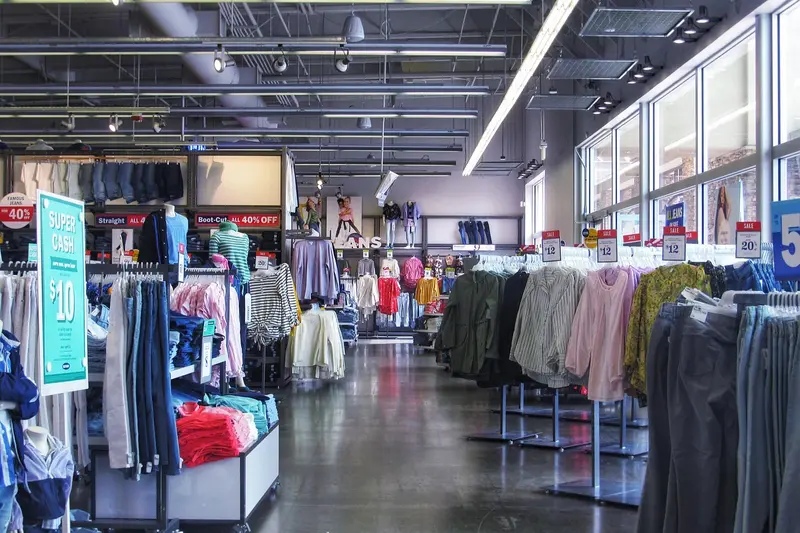
The Hidden Cost of Fast Fashion
What's really behind a cheap T-shirt?
Model script
Good afternoon. Take a look at the clothes you're wearing right now. Do you know where they were made, or how much they really cost the planet? Today, I want to uncover the hidden cost of fast fashion.
Your recording
Say this slide out loud, then listen to yourself.
Recordings stay on this device and disappear when you leave the page.
Useful phrases
Take a look at...
Ask the audience to look at something.
uncover
Find and show something that was hidden.
Full script
Read the whole talk.
All slides in one place. Read it through once, then practice slide by slide.
01The Hidden Cost of Fast Fashion
Good afternoon. Take a look at the clothes you're wearing right now. Do you know where they were made, or how much they really cost the planet? Today, I want to uncover the hidden cost of fast fashion.
大家午安。請看看你現在身上穿的衣服。你知道它們是在哪裡做的嗎?知道它們實際上讓地球付出了多少代價嗎?今天,我想揭開快時尚背後隱藏的代價。
02What Is Fast Fashion?
Fast fashion means producing trendy clothes quickly and cheaply. Some brands release new styles every few weeks. As a result, people buy more clothes than ever, but wear each item fewer times.
快時尚指的是用又快又便宜的方式,生產流行的服飾。有些品牌每隔幾個星期就推出新款。結果,大家買的衣服比以往都多,但每件衣服穿的次數卻變少了。
03The Environmental Cost
The environmental impact is serious. Making clothes uses huge amounts of water, and according to the Ellen MacArthur Foundation, the equivalent of one garbage truck of textiles is burned or sent to landfill every second. Less than one percent of the material used for clothing is recycled into new clothes.
對環境的影響非常嚴重。製作衣服會用掉大量的水。而且根據艾倫・麥克阿瑟基金會的資料,每一秒鐘就有相當於一台垃圾車份量的紡織品被焚化或送到掩埋場。用來做衣服的材料當中,被回收再做成新衣服的還不到百分之一。
Source: Ellen MacArthur Foundation, "A New Textiles Economy: Redesigning Fashion's Future" (2017)
04The Human Cost
There is also a human cost. Many garment workers earn very low wages and work long hours. In 2013, the Rana Plaza factory building in Bangladesh collapsed, killing more than eleven hundred people. It was a wake-up call for the whole industry.
另外還有人的代價。許多成衣工人的薪水很低,工時又很長。2013年,孟加拉的拉納廣場工廠大樓倒塌,造成一千一百多人罹難。這件事為整個產業敲響了警鐘。
Source: International Labour Organization, "The Rana Plaza Accident and its aftermath"
05Why We Keep Buying
So why do we keep buying? Part of the reason is that the true costs are invisible. We see a low price tag and the latest trend, but we don't see the waste or the people behind the product.
那我們為什麼還是一直買呢?部分原因是,真正的代價是看不見的。我們看到的是便宜的標價和最新的流行,卻看不到背後的浪費,也看不到製作這些產品的人。
06What We Can Do
Fortunately, each of us can make a difference. We can buy less, choose better quality, repair what we already own, and try second-hand shopping.
幸好,我們每個人都能帶來改變。我們可以少買一點、選擇品質更好的衣服、修補自己已經有的衣服,也可以試試買二手衣。
07The Role of Brands
However, individuals can't solve this alone. Brands must be transparent about where their clothes are made, pay fair wages, and take responsibility for what happens to clothes after they're sold.
不過,光靠個人是解決不了這個問題的。品牌必須公開衣服是在哪裡生產的、支付合理的薪資,並且為衣服賣出之後的去向負起責任。
08Conclusion
In the end, fast fashion is cheap for us but costly for the planet and for the people who make our clothes. Every purchase is a small vote for the kind of world we want. Let's vote wisely. Thank you.
說到底,快時尚對我們來說很便宜,但對地球和替我們做衣服的人來說,代價卻很高。每一次消費,都是為我們想要的世界投下的小小一票。讓我們聰明地投票吧。謝謝。
Cover photo by DigestContent on Pixabay