The Hidden Cost of Fast Fashion
AdvancedSociety & EnvironmentBài nói mẫu của bài thuyết trình tiếng Anh kèm bản dịch tiếng Việt. Nghe và luyện nói theo từng slide.
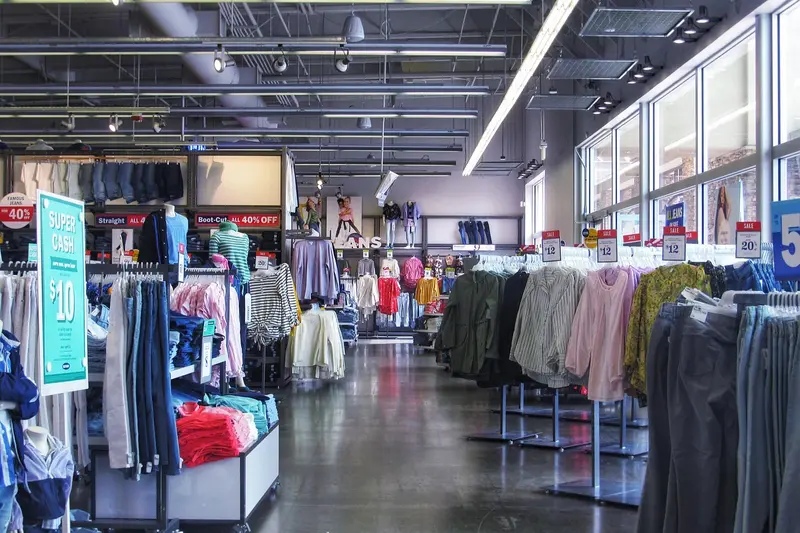
The Hidden Cost of Fast Fashion
What's really behind a cheap T-shirt?
Model script
Good afternoon. Take a look at the clothes you're wearing right now. Do you know where they were made, or how much they really cost the planet? Today, I want to uncover the hidden cost of fast fashion.
Your recording
Say this slide out loud, then listen to yourself.
Recordings stay on this device and disappear when you leave the page.
Useful phrases
Take a look at...
Ask the audience to look at something.
uncover
Find and show something that was hidden.
Full script
Read the whole talk.
All slides in one place. Read it through once, then practice slide by slide.
01The Hidden Cost of Fast Fashion
Good afternoon. Take a look at the clothes you're wearing right now. Do you know where they were made, or how much they really cost the planet? Today, I want to uncover the hidden cost of fast fashion.
Chào buổi chiều. Hãy nhìn bộ quần áo các bạn đang mặc lúc này. Các bạn có biết nó được làm ở đâu, hay hành tinh của chúng ta thực sự phải trả giá bao nhiêu cho nó không? Hôm nay, tôi muốn vạch ra cái giá ẩn giấu của thời trang nhanh.
02What Is Fast Fashion?
Fast fashion means producing trendy clothes quickly and cheaply. Some brands release new styles every few weeks. As a result, people buy more clothes than ever, but wear each item fewer times.
Thời trang nhanh là việc sản xuất quần áo hợp mốt một cách nhanh chóng và rẻ. Một số thương hiệu tung ra mẫu mới vài tuần một lần. Kết quả là mọi người mua nhiều quần áo hơn bao giờ hết, nhưng mỗi món lại được mặc ít lần hơn.
03The Environmental Cost
The environmental impact is serious. Making clothes uses huge amounts of water, and according to the Ellen MacArthur Foundation, the equivalent of one garbage truck of textiles is burned or sent to landfill every second. Less than one percent of the material used for clothing is recycled into new clothes.
Tác động đến môi trường rất nghiêm trọng. Sản xuất quần áo tiêu tốn lượng nước khổng lồ, và theo Quỹ Ellen MacArthur, mỗi giây lại có lượng vải tương đương một xe rác bị đốt hoặc chôn lấp. Chưa đến 1% nguyên liệu dùng để làm quần áo được tái chế thành quần áo mới.
Source: Ellen MacArthur Foundation, "A New Textiles Economy: Redesigning Fashion's Future" (2017)
04The Human Cost
There is also a human cost. Many garment workers earn very low wages and work long hours. In 2013, the Rana Plaza factory building in Bangladesh collapsed, killing more than eleven hundred people. It was a wake-up call for the whole industry.
Còn có cái giá về con người. Nhiều công nhân may mặc nhận lương rất thấp và làm việc nhiều giờ. Năm 2013, tòa nhà nhà máy Rana Plaza ở Bangladesh bị sập, khiến hơn 1,100 người thiệt mạng. Đó là một hồi chuông cảnh tỉnh cho cả ngành.
Source: International Labour Organization, "The Rana Plaza Accident and its aftermath"
05Why We Keep Buying
So why do we keep buying? Part of the reason is that the true costs are invisible. We see a low price tag and the latest trend, but we don't see the waste or the people behind the product.
Vậy tại sao chúng ta vẫn tiếp tục mua? Một phần là vì cái giá thật sự là vô hình. Chúng ta thấy mức giá thấp và xu hướng mới nhất, nhưng không thấy rác thải hay những con người đứng sau sản phẩm.
06What We Can Do
Fortunately, each of us can make a difference. We can buy less, choose better quality, repair what we already own, and try second-hand shopping.
May mắn là mỗi chúng ta đều có thể tạo ra sự khác biệt. Chúng ta có thể mua ít hơn, chọn chất lượng tốt hơn, sửa những gì mình đã có, và thử mua đồ cũ.
07The Role of Brands
However, individuals can't solve this alone. Brands must be transparent about where their clothes are made, pay fair wages, and take responsibility for what happens to clothes after they're sold.
Tuy nhiên, cá nhân không thể tự mình giải quyết vấn đề này. Các thương hiệu phải minh bạch về nơi sản xuất quần áo, trả lương công bằng, và chịu trách nhiệm về những gì xảy ra với quần áo sau khi bán.
08Conclusion
In the end, fast fashion is cheap for us but costly for the planet and for the people who make our clothes. Every purchase is a small vote for the kind of world we want. Let's vote wisely. Thank you.
Cuối cùng, thời trang nhanh thì rẻ với chúng ta, nhưng đắt với hành tinh và với những người làm ra quần áo của chúng ta. Mỗi lần mua sắm là một lá phiếu nhỏ cho thế giới mà chúng ta mong muốn. Hãy bỏ phiếu một cách khôn ngoan. Xin cảm ơn.
Cover photo by DigestContent on Pixabay