英語プレゼンのお手本の原稿と日本語訳。スライドごとに、聞いて・話して練習できます。
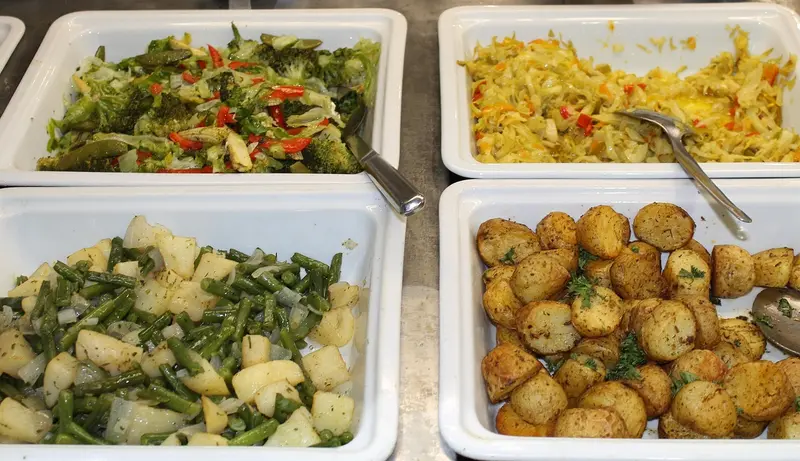
Two Countries, Two Lunches
How food is served
1 / 7
Model script
Hello, everyone. I went to elementary school in Japan, and in high school, I spent one year as an exchange student in the United States. So I've eaten school lunch in both countries, and they felt very different. Today, I'll compare them in three ways. First, how the food is served. Second, what lunch is for. Third, who it helps. Finally, I'll tell you what I think each country does best.
Your recording
Say this slide out loud, then listen to yourself.
Recordings stay on this device and disappear when you leave the page.
Useful phrases
I've eaten school lunch in both countries
Shows you have personal experience of both.
I'll compare them in three ways
Tells the audience the structure of your talk.
what I think each country does best
Your view of each one's strongest point.
Words
- exchange student
- food education
- shokuiku
- cafeteria
- skipped
- local vegetables
- fiscal year
- reduced price
- safety net
Highlighted words are on this slide. Tap a word to look it up on Google.
Full script
Read the whole talk.
All slides in one place. Read it through once, then practice slide by slide.
01Two Countries, Two Lunches
Hello, everyone. I went to elementary school in Japan, and in high school, I spent one year as an exchange student in the United States. So I've eaten school lunch in both countries, and they felt very different. Today, I'll compare them in three ways. First, how the food is served. Second, what lunch is for. Third, who it helps. Finally, I'll tell you what I think each country does best.
みなさん、こんにちは。私は日本の小学校に通い、高校のときには1年間、交換留学生としてアメリカで過ごしました。ですから、両方の国の給食を食べたことがあり、とても違うと感じました。今日は、3つの点で比べます。1つ目は、食べ物の出し方。2つ目は、給食の目的。3つ目は、だれの助けになっているか。最後に、それぞれの国がいちばん得意なことは何か、私の考えをお話しします。
02Two Long Histories
First, some background. Both countries have had national school lunch laws for a long time. In the United States, the National School Lunch Act was passed in 1946. In Japan, the School Lunch Act was passed in 1954. Then, in 2008, Japan changed the law to add the goal of food education, or shokuiku. This means lunch is officially a part of learning, not just a meal.
まず、背景です。どちらの国も、ずっと前から国の給食の法律があります。アメリカでは、1946年に「全国学校給食法」ができました。日本では、1954年に「学校給食法」ができました。そして2008年、日本は法律を改正して、「食育」という目的を加えました。つまり、給食は正式に、ただの食事ではなく学びの一部になったのです。
Sources: USDA Economic Research Service, "National School Lunch Program": the program was established under the National School Lunch Act, signed in 1946; Ministry of Education, Culture, Sports, Science and Technology (MEXT), Japan: the School Lunch Act was enacted in 1954 and amended in 2008 (in force April 2009) to add the promotion of shokuiku (food education) to its purpose
03Point 1: How the Food Is Served
My first point is how the food is served. In my Japanese school, we ate in our classroom. Every week, a few students wore white coats and served the food to everyone else, and then we all cleaned up together. In my American school, on the other hand, we walked through a cafeteria line and chose our food. I liked having choices, but I noticed many students skipped the vegetables. So Japan teaches teamwork, while the U.S. gives students more choice.
1つ目のポイントは、食べ物の出し方です。私の日本の学校では、教室で食べていました。毎週、何人かの生徒が白衣を着てみんなに配膳し、そのあと全員で片付けをしました。一方、アメリカの学校では、カフェテリアの列に並んで、自分で料理を選びました。選べるのはうれしかったのですが、野菜を取らない生徒が多いことに気づきました。つまり、日本はチームワークを教え、アメリカは生徒により多くの選択肢を与えているのです。
04Point 2: What Lunch Is For
My second point is what lunch is for. In Japan, because of the 2008 change to the law, lunch is part of food education. At my school, the menu often had local vegetables, and our teacher explained where the food came from. In the U.S., lunch felt more like a quick break. We had about 25 minutes, and many people just ate and talked. Both are fine, but Japan clearly uses lunch as a lesson.
2つ目のポイントは、給食の目的です。日本では、2008年の法律の改正によって、給食は食育の一部になっています。私の学校では、献立によく地元の野菜が使われていて、先生が食べ物がどこから来たのかを説明してくれました。アメリカでは、給食はむしろ短い休けいのように感じました。時間は約25分で、多くの人はただ食べて、おしゃべりしていました。どちらも悪くありませんが、日本ははっきりと給食を授業として使っています。
Source: Ministry of Education, Culture, Sports, Science and Technology (MEXT), Japan: the School Lunch Act was amended in 2008 (in force April 2009) to add the promotion of shokuiku (food education) to its purpose
05Point 3: Who It Helps
My third point is who school lunch helps. In the U.S., the program is very large. According to the U.S. Department of Agriculture, it served more than 4.8 billion lunches in fiscal year 2024. And 72.4% of those lunches were free or reduced price. This shows that in the U.S., school lunch is an important safety net. For many families, it means their children get at least one full meal every school day.
3つ目のポイントは、給食がだれの助けになっているかです。アメリカでは、この制度はとても大きいです。アメリカ農務省によると、2024会計年度には48億食以上の昼食が出されました。そして、その72.4%は無料か割引価格でした。このことから、アメリカでは給食が大切なセーフティーネットになっていることが分かります。多くの家庭にとって、学校がある日には、子どもが少なくとも1回はしっかりした食事をとれるということなのです。
Source: USDA Economic Research Service, "National School Lunch Program": in fiscal year 2024, the program provided more than 4.8 billion lunches; 72.4% of lunches were served free or at a reduced price
06Is Japan's Lunch Simply Better?
Some people say Japan's school lunch is simply better. That's fair in some ways. The meals I ate in Japan were healthier, and I learned a lot from serving and cleaning. But I don't think it's that simple. The U.S. program feeds a huge number of children, and for many of them, it's the most reliable meal of the day. And choosing your own food also teaches something: making decisions. In my view, the two countries are trying to do different jobs.
日本の給食のほうが単純にすぐれている、と言う人もいます。ある意味では、それはもっともです。私が日本で食べた給食はより健康的でしたし、配膳や片付けから多くのことを学びました。でも、そんなに単純ではないと思います。アメリカの制度は、とても多くの子どもに食事を出していて、その多くの子どもにとって、それは1日の中でいちばん確実に食べられる食事です。それに、自分で食べ物を選ぶことも、決めるという力を教えてくれます。私の考えでは、2つの国は、それぞれ違う役割を果たそうとしているのです。
07What Each Country Does Best
To sum up, Japan and the U.S. serve school lunch in very different ways. Japan does best at using lunch as a lesson, with teamwork and food education. The U.S. does best at using lunch as a safety net for millions of families. If I could mix them, I'd take Japan's classroom lunch and America's free meals for families who need them. Thank you for listening. Do you have any questions?
まとめると、日本とアメリカの給食の出し方はとても違います。日本がいちばん得意なのは、チームワークと食育によって、給食を授業として使うことです。アメリカがいちばん得意なのは、何百万もの家庭のために、給食をセーフティーネットとして使うことです。もし2つを組み合わせられるなら、私は日本の教室での給食と、必要な家庭への無料の食事というアメリカのしくみを取り入れたいです。ご清聴ありがとうございました。何か質問はありますか?
More School & Learning presentations
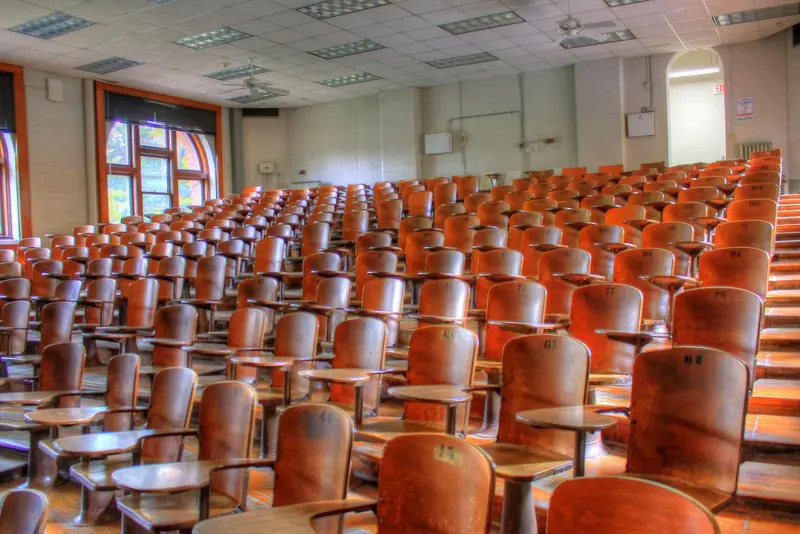
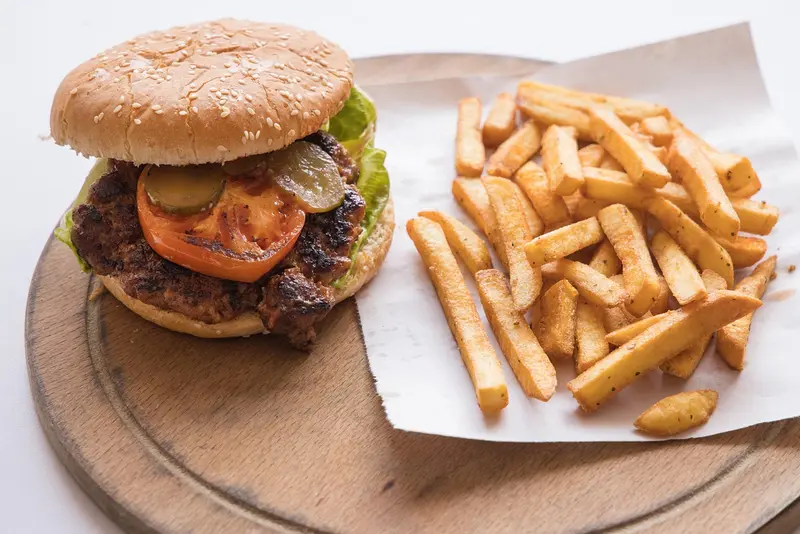

Cover photo by AlbanyColley on Pixabay
Slide photos by congerdesign on Pixabay