I Tracked My Family's Screen Time for a Week. Here's What I Found
IntermediateTech & Internet영어 프레젠테이션 모범 원고와 한국어 번역. 슬라이드마다 듣고 말하며 연습할 수 있습니다.
My Family's Screen Time
A one-week experiment
Model script
Hi, everyone. I'm a nurse in Lagos, and I live with my husband and our two teenage kids. We often argue about phones at home, so I decided to collect some data. For one week, we all checked the screen-time numbers on our phones every night.
Your recording
Say this slide out loud, then listen to yourself.
Recordings stay on this device and disappear when you leave the page.
Useful phrases
I decided to collect some data
I chose to gather information.
For one week,
During seven days.
Full script
Read the whole talk.
All slides in one place. Read it through once, then practice slide by slide.
01My Family's Screen Time
Hi, everyone. I'm a nurse in Lagos, and I live with my husband and our two teenage kids. We often argue about phones at home, so I decided to collect some data. For one week, we all checked the screen-time numbers on our phones every night.
안녕하세요, 여러분. 저는 라고스의 간호사이고, 남편과 십 대 아이 둘과 함께 삽니다. 집에서 휴대폰 때문에 자주 다퉈서, 데이터를 모아 보기로 했습니다. 일주일 동안 저희 모두 매일 밤 휴대폰의 스크린 타임 숫자를 확인했습니다.
02How I Did It
Here's how it worked. Each night, everyone told me their total phone time for the day. I only counted phones, not TVs or laptops for work or school. This is just my family, so it's a very small study.
방법은 이랬습니다. 매일 밤, 모두가 그날의 전체 휴대폰 사용 시간을 저에게 알려 주었습니다. TV나 일과 공부용 노트북은 빼고 휴대폰만 셌습니다. 저희 가족만의 이야기라서 아주 작은 조사입니다.
03The Results
Here are the daily averages. My daughter used her phone about five hours a day, my son about four, my husband about three, and me, about two and a half hours.
하루 평균은 이렇습니다. 딸은 하루 약 다섯 시간, 아들은 약 네 시간, 남편은 약 세 시간, 그리고 저는 약 두 시간 반 동안 휴대폰을 썼습니다.
The numbers on this slide are made up for practice. They are not real data.
04What Surprised Me
What surprised me was that the adults weren't far behind. I expected the kids to be much higher. My husband and I complain about the kids' phones, but we use ours a lot too.
놀랐던 것은 어른들도 크게 뒤지지 않았다는 점입니다. 아이들이 훨씬 높을 줄 알았습니다. 남편과 저는 아이들의 휴대폰 사용을 불평하지만, 저희도 많이 쓰고 있었습니다.
The numbers on this slide are made up for practice. They are not real data.
05When We Used Phones Most
When we looked closer, most of our phone time happened in two places: on the sofa after dinner and in bed before sleep. Those were the times we used to talk to each other.
자세히 보니, 휴대폰 사용 시간의 대부분이 두 곳에서 생겼습니다. 저녁 식사 후의 소파와 잠들기 전의 침대였습니다. 예전에는 서로 이야기하던 시간이었습니다.
The numbers on this slide are made up for practice. They are not real data.
06Our New Rules
So we made two new family rules. Phones go in a basket during dinner, and all phones charge in the kitchen at night, including mine and my husband's.
그래서 새로운 가족 규칙을 두 가지 만들었습니다. 저녁 식사 동안 휴대폰은 바구니에 넣고, 밤에는 저와 남편 것까지 모든 휴대폰을 부엌에서 충전합니다.
07Conclusion
In conclusion, collecting our own numbers changed the conversation. Instead of blaming the kids, we saw the habit was the whole family's. Next month, we'll track again and compare. Thank you.
결론적으로, 우리 스스로 숫자를 모으니 대화가 달라졌습니다. 아이들을 탓하는 대신, 이것이 가족 모두의 습관이라는 것을 알게 되었습니다. 다음 달에 다시 기록해서 비교해 볼 생각입니다. 감사합니다.
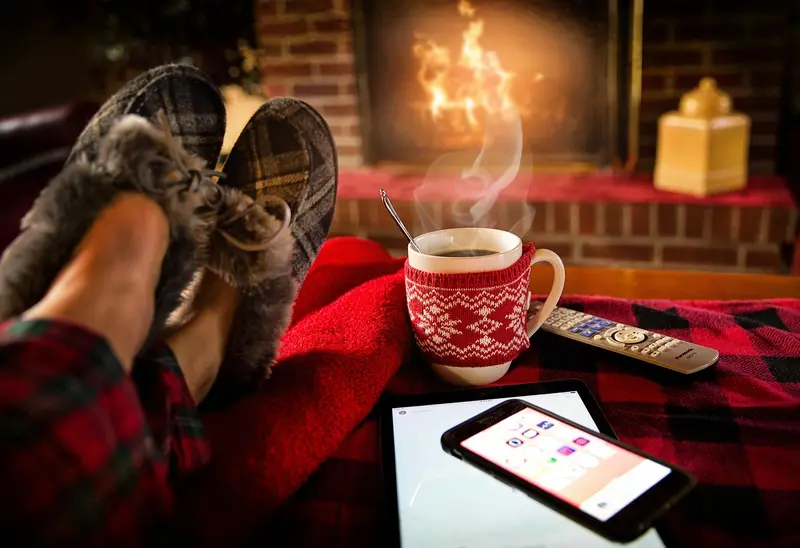
Cover photo by JillWellington on Pixabay
Slide photos by StockSnap, Michael_Pointner on Pixabay